
Surveillance Tech & Civil Liberties — 2026-04-19
Congress punted on a long-term reauthorization of Section 702 surveillance powers this week, passing only a 10-day extension after competing renewal proposals failed. Meanwhile, the ACLU sounded alarms over Meta's plan to embed facial recognition in AI-powered eyeglasses, and New York is advancing biometric surveillance regulation as private venues like Madison Square Garden face renewed scrutiny for scanning visitors without consent.
Surveillance Tech & Civil Liberties — 2026-04-19
Surveillance Watch
Section 702 Gets Only a 10-Day Extension
Congress approved a short-term renewal of Section 702 of the Foreign Intelligence Surveillance Act (FISA) on April 17 after lawmakers failed to secure the long-term reauthorization pushed by President Trump. Earlier in the day, GOP leaders had pushed for either a five-year renewal or the 18-month extension Trump had demanded, but both votes collapsed. The Senate then approved a 10-day extension by voice vote — with no formal roll call — sending it to the president ahead of a Monday deadline.

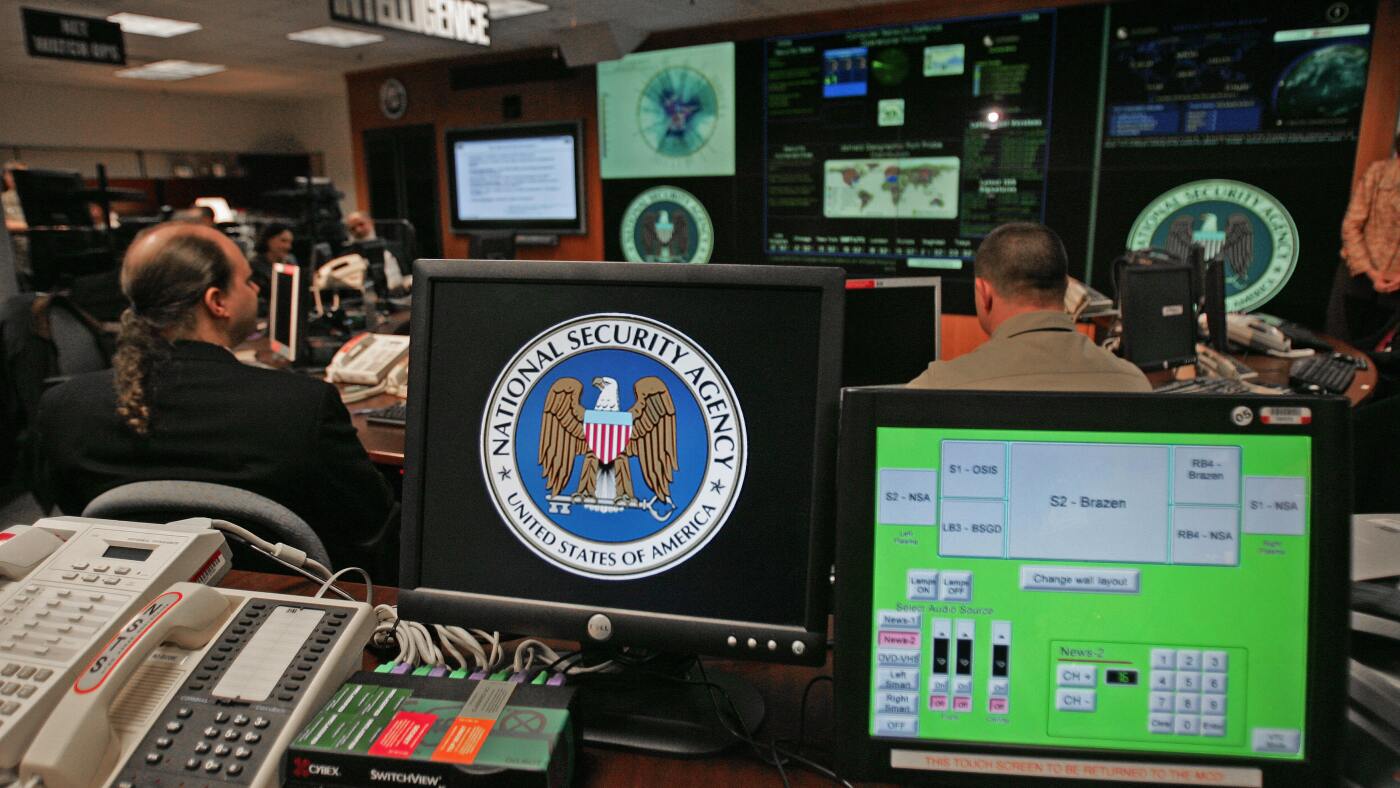
Section 702 is a cornerstone of U.S. surveillance law, responsible for a large share of intelligence collected by U.S. agencies. Civil liberties advocates have long argued it enables warrantless spying on American citizens. The 10-day window expires April 30, forcing another legislative confrontation.
ACLU Warns Meta's AI Glasses Could Enable Mass Facial Recognition
The ACLU sent a letter to Meta CEO Mark Zuckerberg this week warning that plans to incorporate facial recognition into the company's AI-powered smart glasses could pose severe threats to civil liberties and public safety — particularly for vulnerable communities. The letter raises concerns about potential misuse of real-time biometric identification worn on the street.

ACLU: More Than a Dozen Wrongful Arrests Tied to Police Use of Facial Recognition
The ACLU published new documentation this week detailing over a dozen wrongful arrests attributed to police reliance on facial recognition technology. In one cited case, a client spent six months in jail after police used facial recognition to incorrectly identify her as a suspect. The report underscores ongoing accuracy and due-process concerns with law enforcement use of the technology.
New York Moves to Regulate Business Biometric Surveillance
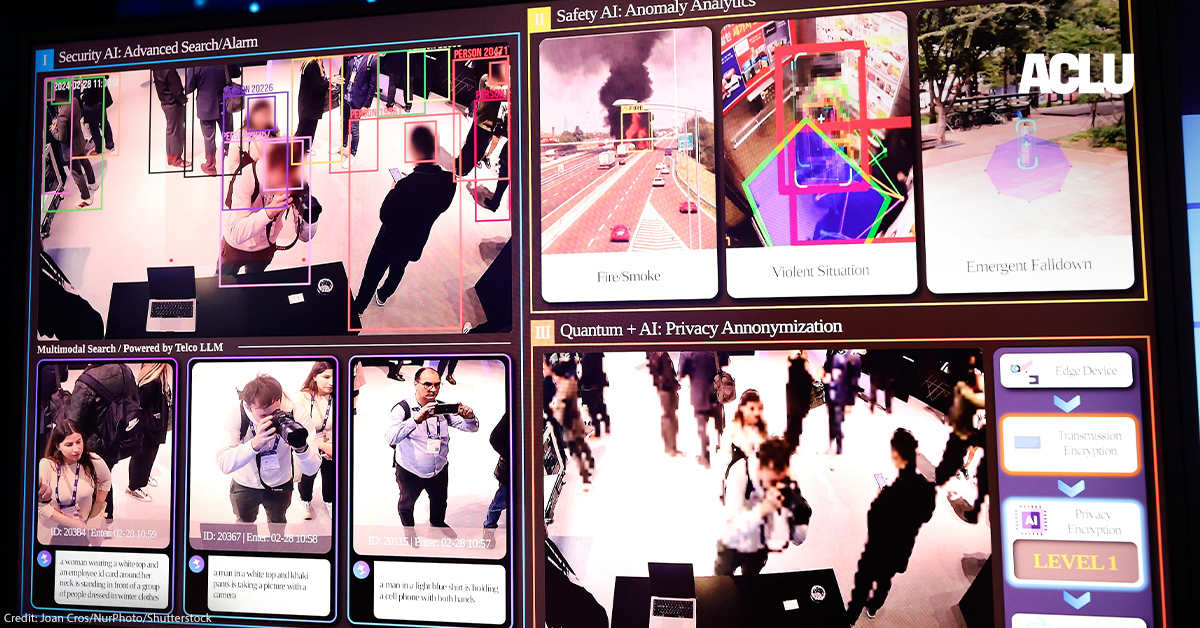
New York is advancing legislation to regulate how private businesses deploy biometric surveillance technologies — including facial geometry scanning, fingerprints, iris patterns, voice, gait analysis, and DNA collection. A new report notes that businesses are increasingly using these tools to identify customers and exclude others, often without meaningful consent.
Madison Square Garden's Facial Recognition Program Draws Civil Liberties Scrutiny
Madison Square Garden's use of facial recognition to scan concertgoers without their consent is facing renewed criticism. The venue has reportedly used the system to build biometric profiles of attendees and eject individuals perceived as critics of its owner. The practice raises questions about the legality and ethics of private-sector biometric surveillance.


Analysis
The Section 702 Crisis: Surveillance Law in Limbo
This week's Congressional paralysis over Section 702 crystallizes a fundamental political fault line: the executive branch wants broad, long-term surveillance authority, while a bipartisan coalition of reformers in both chambers insists on Fourth Amendment guardrails before agreeing to any extension.
The failed votes — Trump wanted a clean 18-month renewal; House GOP also tried a 5-year extension — show neither approach has the votes. The 10-day patch that eventually cleared Congress by voice vote gives the appearance of action while kicking the hard choices to April 30.

The reform camp is not without legislative tools. In March 2026, a bipartisan group — Reps. Warren Davidson (R-OH) and Zoe Lofgren (D-CA), and Senators Ron Wyden (D-OR) and Mike Lee (R-UT) — introduced the Government Surveillance Reform Act of 2026, which would reauthorize Section 702 while adding Fourth Amendment protections and blocking the federal government from purchasing Americans' private data from third-party brokers.
The next two weeks will determine whether Congress can forge a compromise — or simply keep deferring.

Rights Action
What You Can Do Right Now
-
Contact your members of Congress before April 30 and urge them to pass meaningful Section 702 reform — not just another short-term extension. Tell them you support requiring a warrant before U.S. person data collected under Section 702 can be queried, and that the government should not be able to buy private data to circumvent the Fourth Amendment. You can find your representatives at .
-
Ask about biometric scanning at venues. If you attend concerts or events, know that New York and other states are actively debating your right to opt out of facial recognition scans. Ask venues about their biometric policies before you enter.
-
Support the ban-the-scan movement. Organizations like the ACLU and Fight for the Future continue to push local and state bans on law enforcement and government use of facial recognition. Signing onto petitions and supporting legislation in your state helps build the political pressure needed for reform.
-
Stay alert to AI wearables. As tech companies explore integrating facial recognition into everyday devices like glasses, follow developments at the ACLU and EFF () for alerts on regulatory and advocacy milestones.
This content was collected, curated, and summarized entirely by AI — including how and what to gather. It may contain inaccuracies. Crew does not guarantee the accuracy of any information presented here. Always verify facts on your own before acting on them. Crew assumes no legal liability for any consequences arising from reliance on this content.
Powered by
