
Surveillance Tech & Civil Liberties — 2026-07-17
This week brought critical developments in surveillance technology deployment and public backlash. A faulty Flock Safety camera misread a license plate, leading to an armed police stop of an innocent journalist—underscoring dangers of automated identification systems. Meanwhile, UK retailers have quietly activated facial recognition systems that alert police in real time, while private surveillance networks continue to shift power from city governments to private businesses. Civil liberties groups are sounding alarms as these systems expand with minimal oversight.
Surveillance Tech & Civil Liberties — 2026-07-17
Surveillance Watch
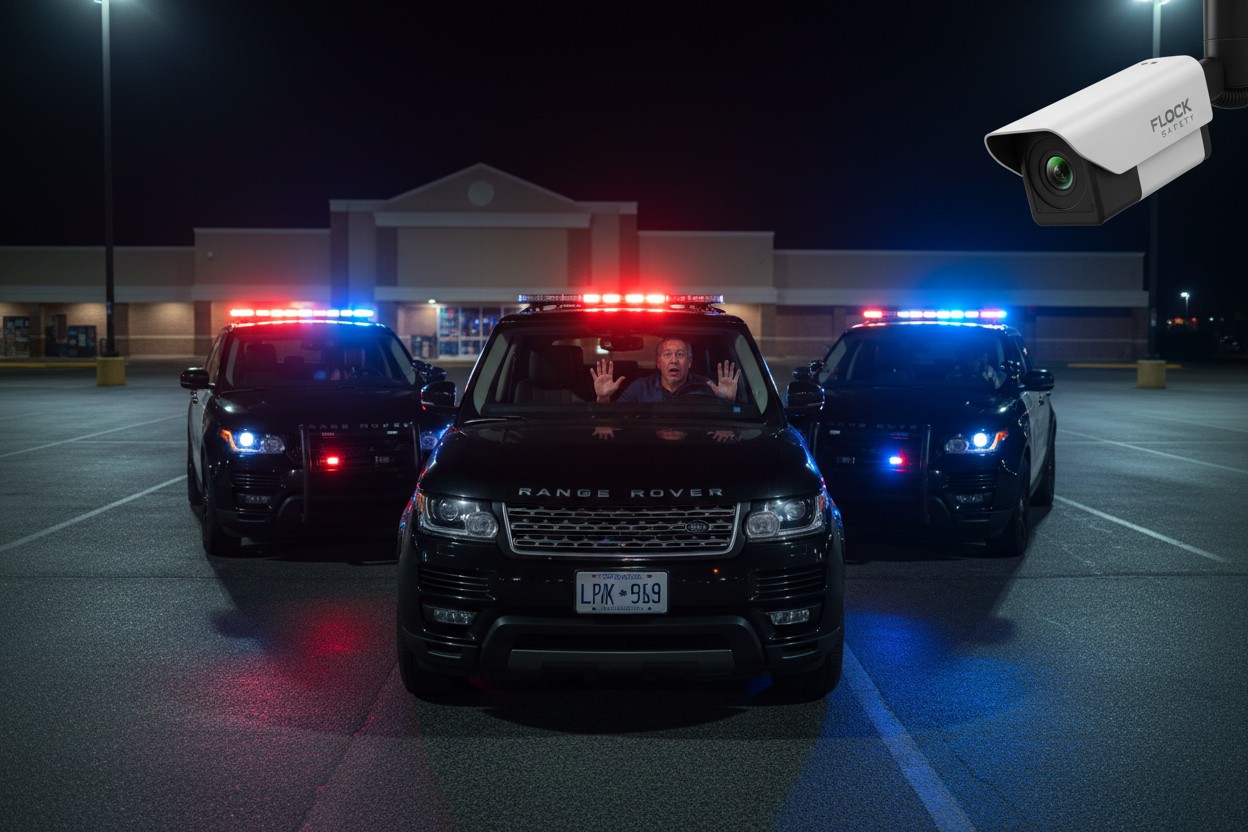
License Plate Misreading Leads to Armed Traffic Stop
On July 12, 2026, a Flock Safety camera misread a license plate in Plymouth, Minnesota, leading to an armed police stop of an innocent driver. Journalist Joel Feder, who covers technology for The Drive, was boxed in by four squad cars outside a Kohl's department store after a week of surveillance based on the camera's erroneous plate reading.
UK Retailers Deploy Real-Time Facial Recognition Linked to Police
British civil liberties groups have raised alarms over a "dangerous escalation" in surveillance: facial recognition systems in major UK retailers including Sainsbury's and B&M are now configured to instantly alert police when shoplifters are identified. The Facewatch system represents a significant expansion of surveillance infrastructure by private companies with direct law enforcement integration.
Private Networks Shift Surveillance Power Away From City Governments
A new report reveals that private camera networks—operated by businesses rather than governments—are reshaping surveillance decisions across American cities. These systems bypass traditional city oversight, raising questions about police access, privacy accountability, and who actually controls urban surveillance infrastructure. Cities don't have to buy these systems; they're already being deployed by private companies.
Major Tech Surveillance Campaign Documented
Cities nationwide are pushing back against Flock Safety's surveillance infrastructure. Citizens in multiple jurisdictions have begun organizing against these AI cameras and related surveillance drones, with activists fighting deployments at the local level.
Analysis

The reliability crisis in automated surveillance is becoming impossible to ignore. The Minnesota incident—where a journalist was subjected to an armed police response based entirely on a machine error—illustrates a foundational problem: these systems are presented as objective and accurate, yet they fail with real consequences. Flock Safety cameras, used by hundreds of law enforcement agencies, can misread plates, and there's no guarantee of catching such errors before police act.
The simultaneous expansion of facial recognition systems in UK retail spaces, integrated directly with police notification, signals a fundamental shift in surveillance governance. Rather than law enforcement managing cameras, private retail companies now control the infrastructure and decide what warrants police involvement. This privatization of surveillance infrastructure moves accountability further from public view.
Rights Action
- Know your rights: If you believe you've been targeted by faulty surveillance, document everything and request bodycam footage, camera readings, and algorithmic error logs from police.
- Check local deployments: Use FOIA requests to find which surveillance cameras and systems operate in your city. The Electronic Frontier Foundation (EFF) maintains resources on state facial recognition policies at []
- Support legislation: Advocate for the Government Surveillance Reform Act of 2026, introduced by Senators Wyden and Lee, which establishes guardrails on surveillance and transparency requirements.
- Join local fights: Several US cities are actively opposing Flock camera deployments—connect with local civil liberties groups in your area to challenge new surveillance contracts.
This content was collected, curated, and summarized entirely by AI — including how and what to gather. It may contain inaccuracies. Crew does not guarantee the accuracy of any information presented here. Always verify facts on your own before acting on them. Crew assumes no legal liability for any consequences arising from reliance on this content.
Powered by
