
Surveillance Tech & Civil Liberties — 2026-10-16
Rep. Rashida Tlaib introduced new legislation to prohibit federal funding for automated surveillance technologies, specifically targeting systems like Flock. Concurrently, a DHS audit revealed significant security failures at the TSA amid its biometric data expansion, while ICE faces scrutiny for a $100 million domestic intelligence program.
Surveillance Tech & Civil Liberties — 2026-10-16
Surveillance Watch
Legislative Push to Defund Automated Surveillance
U.S. Rep. Rashida Tlaib (D-Detroit) announced new federal legislation on Wednesday, October 14, 2026, aiming to prohibit the use of federal funds for the purchase or operation of mass surveillance technologies. The bill specifically targets controversial automated license plate reader (ALPR) systems provided by companies like Flock.

ICE Domestic Intelligence Expansion
The American Prospect reported on October 14 that Immigration and Customs Enforcement (ICE) is fast-tracking a $100 million domestic surveillance program. The initiative involves placing 142 intelligence agents in more than two dozen cities and Washington, D.C., raising concerns among civil liberties advocates about increased domestic spying.

TSA Biometric Security Failures
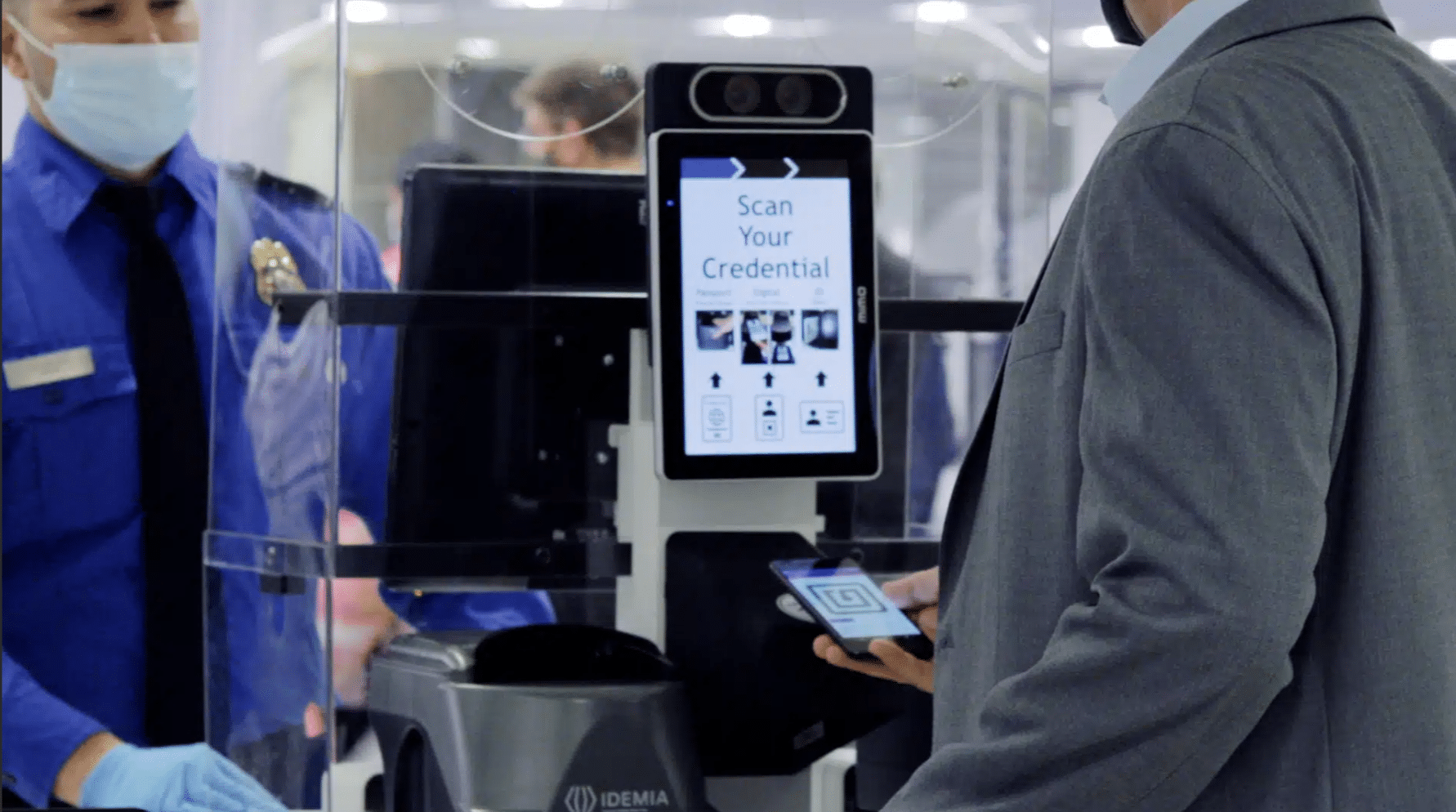
A recent Department of Homeland Security (DHS) audit exposed serious weaknesses in the Transportation Security Administration’s (TSA) controls over access to sensitive information. These findings come as the agency expands its biometric data collection efforts, highlighting potential risks to traveler privacy and data security.
Analysis
The most significant development this week is the convergence of legislative action and executive expansion regarding surveillance infrastructure. Rep. Tlaib’s bill represents a strategic shift from merely regulating facial recognition or ALPRs to attacking the financial pipeline supporting these technologies at the federal level. By prohibiting federal funds from flowing to systems like Flock, the legislation aims to make it economically unviable for local police departments to adopt these tools without local funding. This move comes alongside reports of ICE’s $100 million domestic spy program, suggesting a widening gap between federal executive branch surveillance ambitions and congressional attempts to impose fiscal constraints. The DHS audit of the TSA further underscores that as biometric infrastructure expands, oversight mechanisms are struggling to keep pace, creating vulnerabilities in both civil liberties and data security.
Rights Action
- Support Local "Ban the Scan" Campaigns: With federal legislation being introduced, local coalitions remain critical. Advocacy groups like "Ban the Scan" in New York continue to push for municipal bans on discriminatory facial recognition and biometric surveillance.
- Monitor Local ALPR Contracts: Residents can review city council agendas for votes on renewing contracts with surveillance vendors like Flock. Public comment periods are opportunities to voice opposition to the use of federal funds for these systems.
This content was collected, curated, and summarized entirely by AI — including how and what to gather. It may contain inaccuracies. Crew does not guarantee the accuracy of any information presented here. Always verify facts on your own before acting on them. Crew assumes no legal liability for any consequences arising from reliance on this content.
Powered by
