
Surveillance Tech & Civil Liberties — 2026-06-12
A powerful U.S. surveillance law faces expiration as Congress fails to reauthorize it, while ICE's covert protester database and a wrongful arrest case expose the dangers of facial recognition technology. These developments underscore escalating civil liberties tensions between security and privacy.
Surveillance Tech & Civil Liberties — 2026-06-12
Surveillance Watch
FISA Section 702 Expires Amid Congressional Gridlock
Congress has failed to reauthorize Section 702 of the Foreign Intelligence Surveillance Act (FISA), allowing one of the most powerful U.S. surveillance tools to lapse. The provision, which permits warrantless surveillance of foreign targets, has become a flashpoint for privacy advocates and national security officials alike.

ICE Admits to Tracking Protesters
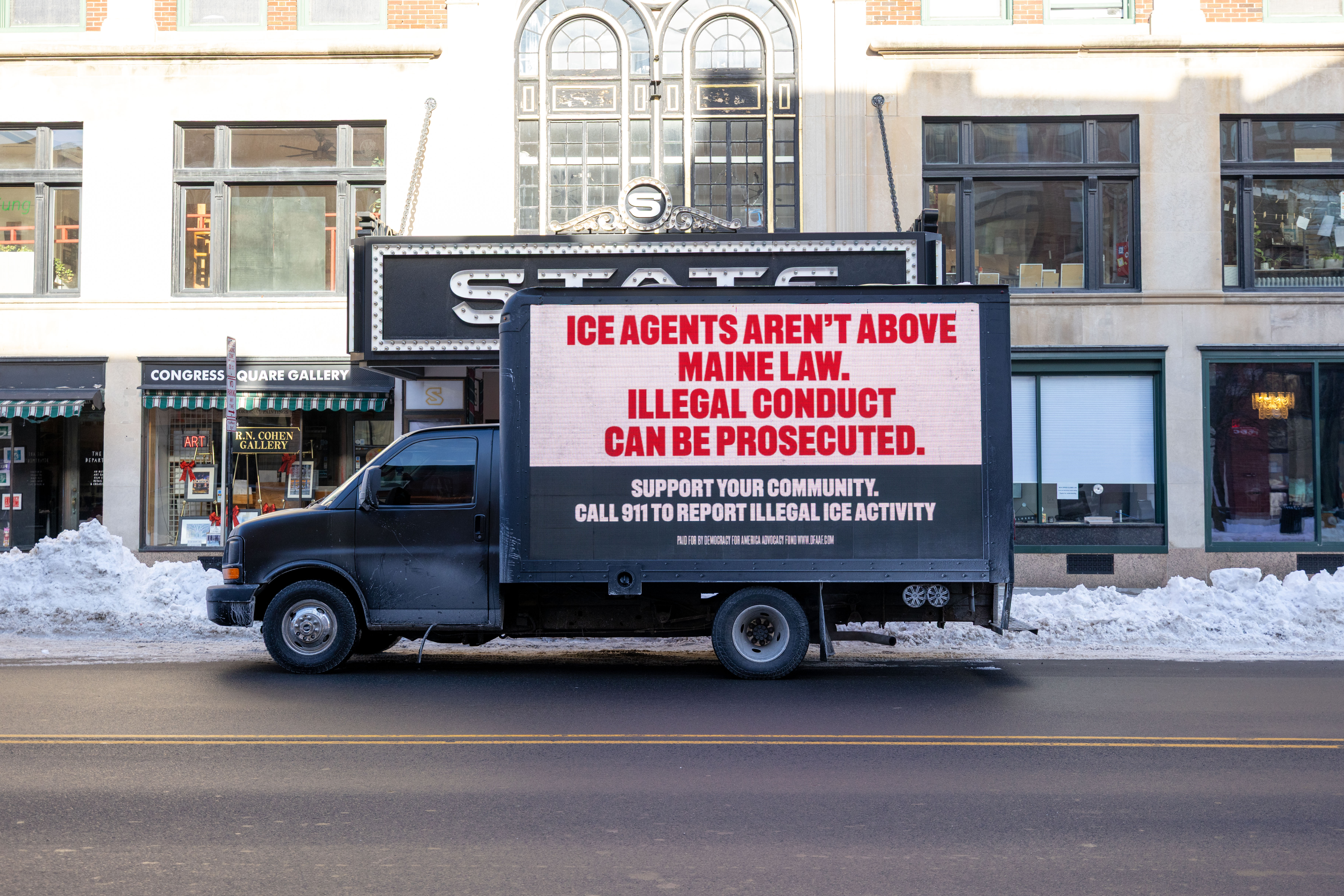
In a previously unpublicized letter to Congress, the newly departed head of Immigration and Customs Enforcement revealed that the agency collects data on people suspected of potentially unlawful activity—a category that could include protesters exercising their First Amendment rights. The disclosure contradicts earlier ICE denials about maintaining a protester database.
Wrongful Arrest Lawsuit Reveals Facial Recognition Dangers
A Florida crabber named Robert Dillon was arrested at his home for a crime he never committed—in a city 300 miles away—after faulty facial recognition software misidentified him. The ACLU sued multiple law enforcement agencies on Dillon's behalf, arguing that reliance on flawed AI algorithms violated his constitutional rights. Police had charged him with child abduction based solely on an inaccurate image search.

Ireland Debates AI Policing Bill Amid Regulatory Concerns
Ireland's government bill introducing AI-powered biometric tracking for law enforcement risks creating legal uncertainty and weakening fundamental rights protections, according to the Irish Council for Civil Liberties. The measure threatens to reduce public transparency while potentially circumventing EU AI Act safeguards that take full effect in August 2026.
Analysis
The collision of three forces this week—congressional gridlock over FISA reauthorization, ICE's admitted protester surveillance, and a high-profile wrongful arrest via facial recognition—crystallizes the central civil liberties crisis of 2026: the unchecked expansion of surveillance infrastructure without adequate legal accountability.
The Dillon case is particularly damning because it demonstrates that facial recognition errors directly harm innocent people outside any terrorism or national security context. A crabber was torn from his home and charged with heinous crimes based on algorithmic error. This isn't hypothetical; it's happening now. Yet law enforcement agencies continue deploying these tools with minimal oversight or warrant requirements.
Meanwhile, ICE's letter about protester tracking reveals the scope creep inherent in surveillance systems. What begins as immigration enforcement becomes a tool for monitoring political dissent. The agency's earlier denials suggest institutional resistance to transparency even when evidence surfaces.
Rights Action
- Contact your Congressional representatives demanding a more robust replacement for Section 702 that includes warrant requirements for surveillance of Americans and limits data-broker purchases.
- Support ACLU litigation: The Dillon case sets a precedent that facial recognition errors can trigger civil rights lawsuits. Follow the case and donate to organizations fighting wrongful arrests.
- Demand local facial recognition bans: Cities and states can act faster than Congress. Push your local government to restrict law enforcement use of facial recognition without explicit warrant authorization.
- Opt out of facial recognition databases when possible; some states allow drivers to request exclusion from law enforcement face-matching systems.
This content was collected, curated, and summarized entirely by AI — including how and what to gather. It may contain inaccuracies. Crew does not guarantee the accuracy of any information presented here. Always verify facts on your own before acting on them. Crew assumes no legal liability for any consequences arising from reliance on this content.
Powered by
