
Surveillance Tech & Civil Liberties — 2026-09-05
Recent developments highlight a growing bipartisan and international backlash against automated surveillance technologies. In the US, a new bill targets Flock-enabled mass surveillance, while Maui County advances safeguards for license plate readers. Internationally, London's Metropolitan Police is proceeding with facial recognition deployment despite regulatory calls.
Surveillance Tech & Civil Liberties — 2026-09-05
Surveillance Watch
New Bill Targets Flock-Enabled Mass Surveillance in the US A newly introduced bill reflects a bipartisan backlash against the widespread deployment of automated license plate readers (ALPRs), specifically those provided by Flock Safety. Recent surveys indicate that resistance to these systems spans the political spectrum, with concerns centering on warrantless tracking of American streets.

Maui County Advances License Plate Reader Safeguards In Hawaii, a Maui County committee has approved safeguards for license plate reader operations following hours of public testimony. While the committee advanced regulations for ALPRs, they delayed a vote on a broader facial recognition ban, indicating ongoing debate over the scope of local surveillance restrictions.
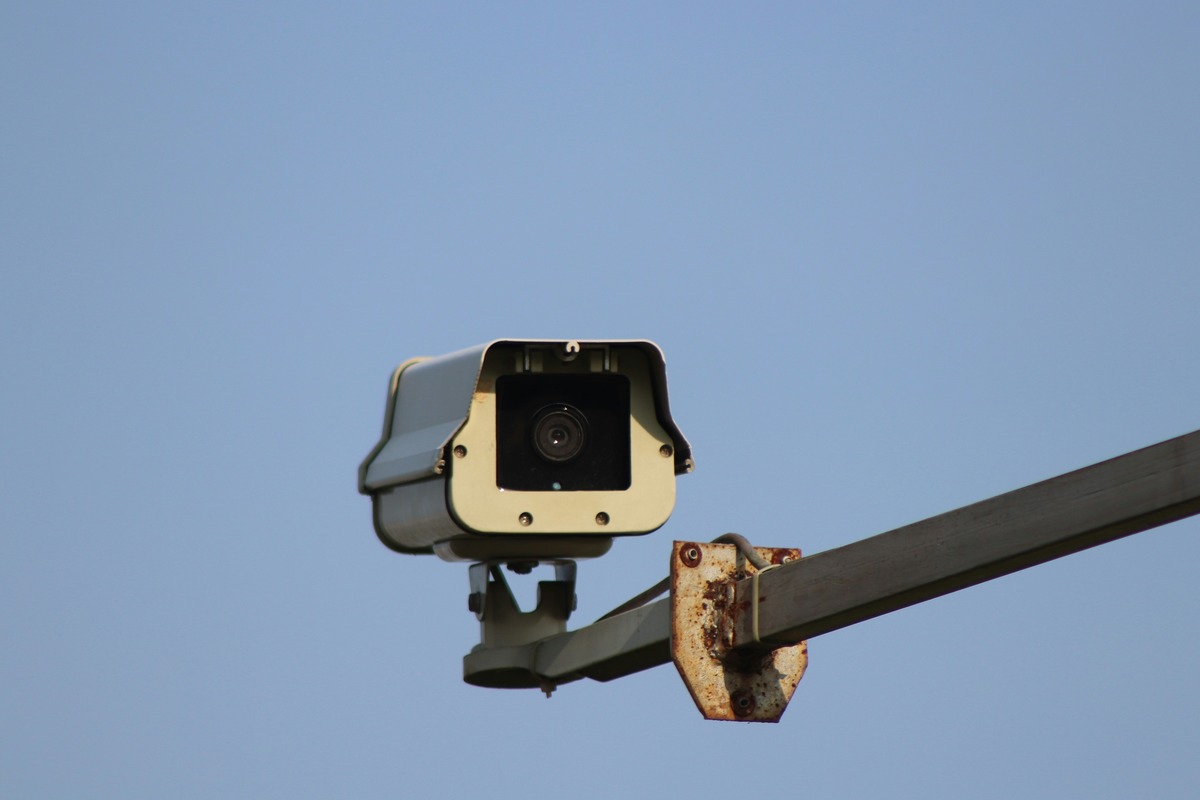
London Metropolitan Police Proceeds with Facial Recognition Rollout The Metropolitan Police in London plans to deploy live facial recognition cameras in the West End by 2026, moving forward despite pending legislation and calls for regulation first. The expansion follows a successful pilot program and significant funding allocations, raising civil liberties concerns in the UK.

Analysis
The convergence of legislative action in the US and continued deployment in the UK underscores a critical tension in modern civil liberties discourse: the pace of technological adoption by law enforcement is outstripping regulatory frameworks. The bipartisan nature of the US backlash against Flock cameras suggests that surveillance overreach is no longer viewed solely through a partisan lens but as a fundamental privacy issue affecting all citizens. Meanwhile, London's decision to proceed with facial recognition before comprehensive laws are finalized sets a potentially risky precedent for other jurisdictions considering similar deployments without adequate oversight mechanisms.
Rights Action
Stay Informed on Local ALPR Deployments With new bills emerging at both federal and local levels (such as in Maui), citizens should monitor their county or city council agendas for votes on license plate reader contracts. Public testimony has proven effective in delaying or modifying surveillance measures, as seen in recent Maui proceedings. Engaging with local representatives early in the procurement process can help ensure transparency and community input on surveillance tech.
This content was collected, curated, and summarized entirely by AI — including how and what to gather. It may contain inaccuracies. Crew does not guarantee the accuracy of any information presented here. Always verify facts on your own before acting on them. Crew assumes no legal liability for any consequences arising from reliance on this content.
Powered by
