
Surveillance Tech & Civil Liberties — 2026-08-31
Recent coverage highlights the growing tension between automated surveillance technologies, such as Flock Safety's ALPR networks, and civil liberties protections. Experts warn that the rapid expansion of facial recognition and license plate readers is creating a de facto surveillance state with insufficient legal oversight. Meanwhile, legislative efforts continue to push for stricter regulations on federal agencies' use of these tools.
Surveillance Tech & Civil Liberties — 2026-08-31
Surveillance Watch
Flock Safety Cameras Face Growing Backlash and Sabotage A recent report highlights that individuals willing to take legal risks to disable or destroy Flock Safety cameras are gaining public support and drawing attention from government officials. This "sabotage" movement underscores the deepening divide between law enforcement agencies embracing automated license plate recognition (ALPR) for efficiency and citizens concerned about warrantless mass surveillance.

Australia Debates AI Surveillance Limits In Australia, experts are warning that long-held expectations of privacy in public spaces are being quietly rewritten by police adoption of AI-driven facial recognition. The debate centers on whether current laws can adequately protect citizens from industrial-scale observation without explicit legislative boundaries.


Analysis
The "China Model" Concern in US Policing The most significant civil liberties story this week revolves around the characterization of US domestic surveillance infrastructure. Critics argue that America is building a surveillance state comparable to China's, driven by the uncritical adoption of private-sector technologies like Flock cameras by local police agencies. The core argument is that these agencies cannot be trusted to self-regulate in matters of privacy and civil rights, leading to a systemic erosion of Fourth Amendment protections.
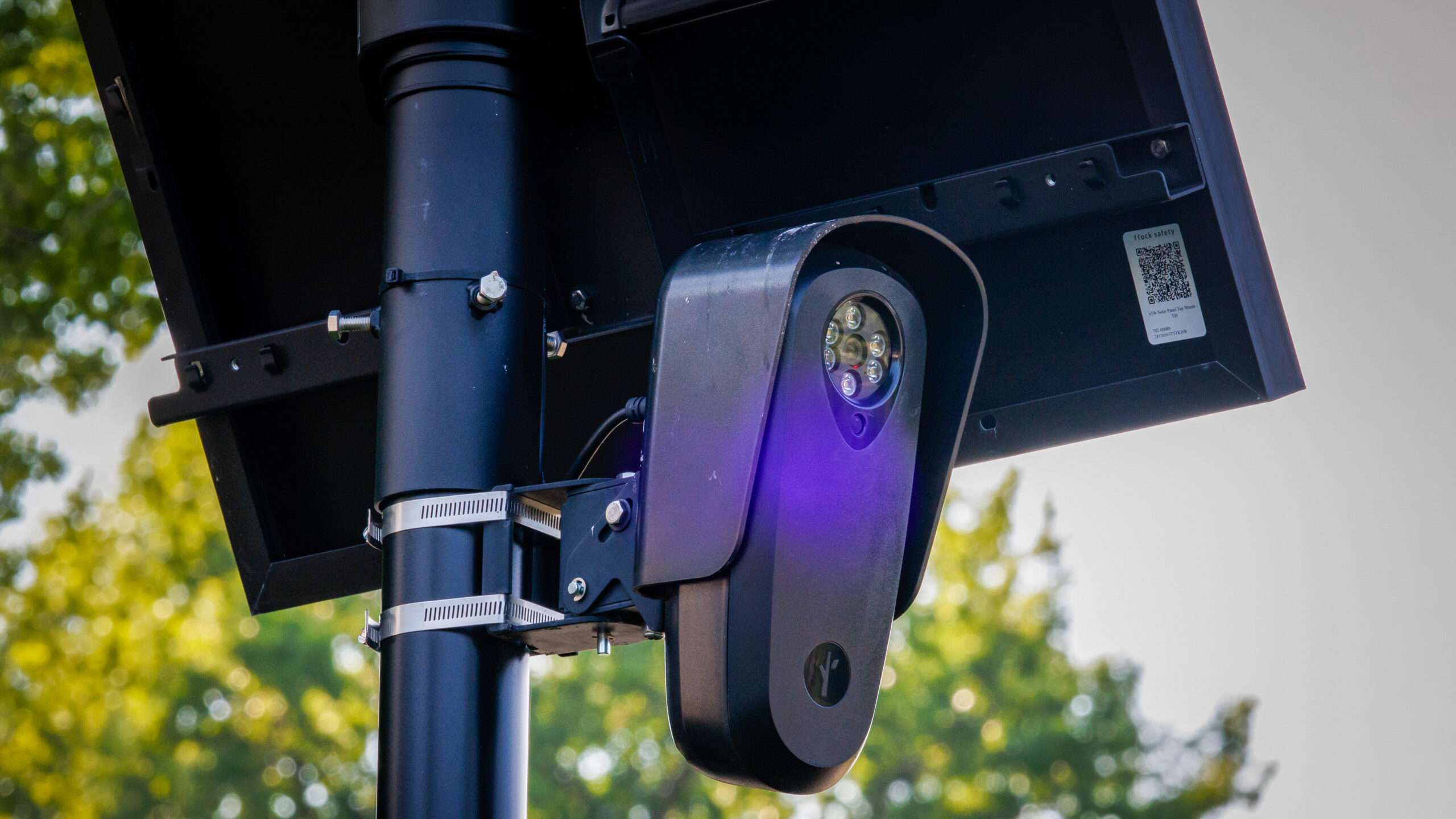
This trend is not isolated; it reflects a broader global shift where the technology for industrial-scale observation is already widespread, raising fears of an "AI surveillance dystopia" if regulatory frameworks do not catch up with deployment speeds.
Rights Action
Support Local Bans and Advocacy Campaigns With federal regulation lagging, local action remains a primary avenue for protecting privacy. Advocacy groups like "Ban the Scan" continue to campaign for bans on discriminatory facial recognition and biometric surveillance in cities like New York. Individuals can support these efforts by contacting local city council members to oppose ALPR contracts and supporting ballot initiatives that restrict police use of facial recognition.
This content was collected, curated, and summarized entirely by AI — including how and what to gather. It may contain inaccuracies. Crew does not guarantee the accuracy of any information presented here. Always verify facts on your own before acting on them. Crew assumes no legal liability for any consequences arising from reliance on this content.
Powered by
