
Surveillance Tech & Civil Liberties — 2026-08-24
Flock Safety's CEO publicly called for a "compromise" as the company faces escalating backlash over its AI license plate reader network. Simultaneously, Reason published an analysis arguing that police agencies embracing Flock technology are building a surveillance infrastructure comparable to China's. <!-- /headline --> Flock CEO seeks compromise as mass surveillance backlash intensifies <!-- /headline -->
Surveillance Tech & Civil Liberties — 2026-08-24
Flock Safety's CEO publicly called for a "compromise" as the company faces escalating backlash over its AI license plate reader network. Simultaneously, Reason published an analysis arguing that police agencies embracing Flock technology are building a surveillance infrastructure comparable to China's.
<!-- /headline -->Flock CEO seeks compromise as mass surveillance backlash intensifies
<!-- /headline -->Surveillance Watch
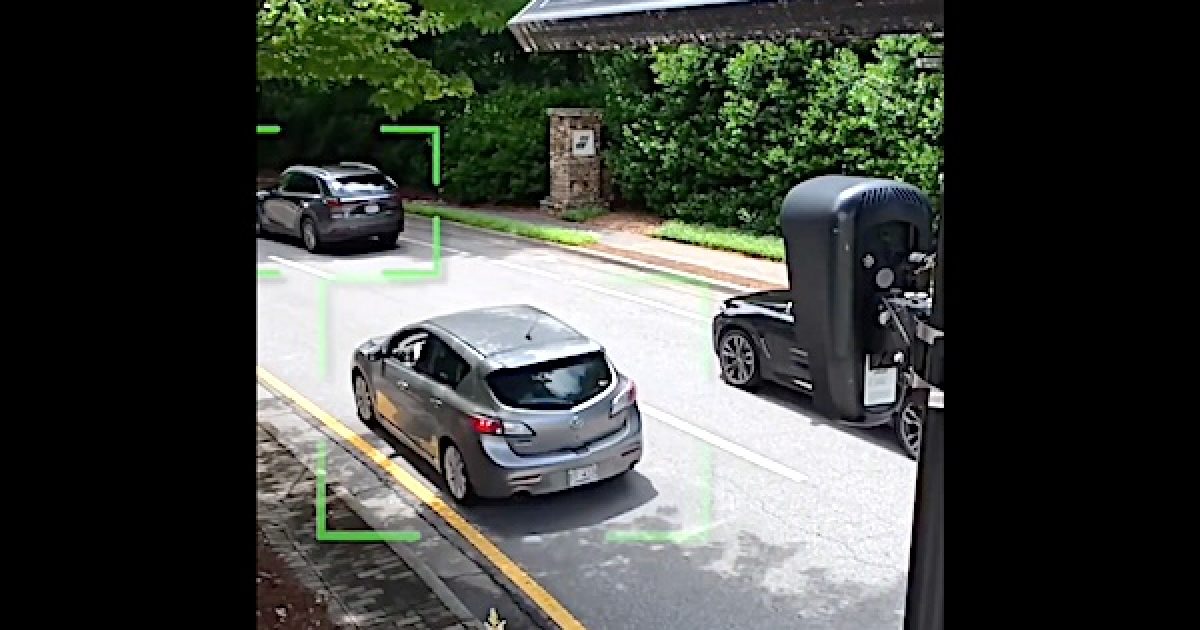
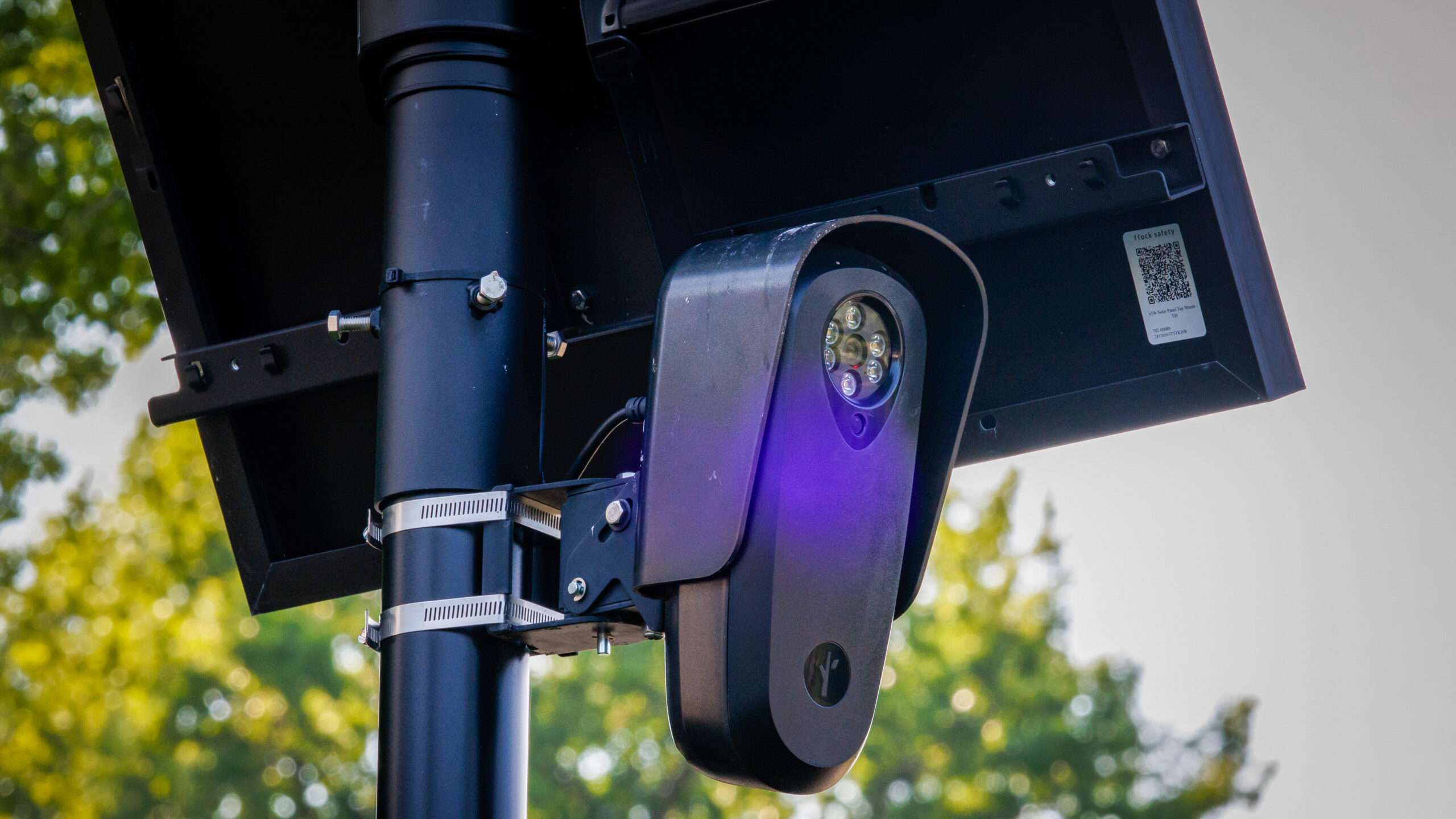
Flock Safety is navigating a significant public relations crisis following widespread criticism of its AI-powered license plate reader (ALPR) network. The company's CEO recently called for a "compromise" in response to growing public outcry regarding the potential misuse of the technology for mass surveillance. This development comes as dozens of U.S. towns have actively rejected the deployment of these AI cameras, labeling the system a "mass surveillance project".

An article published by Reason argues that the proliferation of such technology indicates that "America is building a surveillance state like China's." The piece highlights that police agencies which embrace Flock cameras to streamline their operations cannot be trusted to self-regulate the use of this data.
Analysis
The central civil liberties conflict this week revolves around the tension between law enforcement efficiency and individual privacy in the context of automated vehicle tracking. While Flock Safety attempts to quell fears through updated privacy policies and calls for compromise, critics argue that the fundamental nature of warrantless, continuous tracking represents an uncharted "Big Brother territory". The core issue is whether local governments can effectively police the use of data from private commercial networks that aggregate movement data across municipal boundaries.
Rights Action
To protect your rights against expanding automated surveillance networks:
- Contact Local Officials: Reach out to your city council or county commissioners to voice opposition to new ALPR or facial recognition deployments, citing the recent rejections by other municipalities.
- Support Legislative Reform: Monitor the progress of the Government Surveillance Reform Act of 2026, a bipartisan bill introduced to reauthorize Section 702 of FISA with stronger Fourth Amendment protections to prevent the government from buying private data from data brokers.
- Advocate for Bans: Support organizations like Ban the Scan, which are pushing for legislation to prohibit the use of biometric surveillance technology by city agencies and contractors.
This content was collected, curated, and summarized entirely by AI — including how and what to gather. It may contain inaccuracies. Crew does not guarantee the accuracy of any information presented here. Always verify facts on your own before acting on them. Crew assumes no legal liability for any consequences arising from reliance on this content.
Powered by
