
Surveillance Tech & Civil Liberties — 2026-06-26
Facial recognition technology deployments are expanding globally—from UK police expanding live scanning to India's proposed airport network—while New Jersey courts impose new transparency requirements. Meanwhile, ICE's AI surveillance arsenal is mushrooming, and digital rights advocates push bipartisan FISA reform legislation.
Surveillance Tech & Civil Liberties — 2026-06-26
Surveillance Watch
New Jersey Court Orders Facial Recognition Disclosure New Jersey's Supreme Court has ruled that prosecutors must disclose detailed information about how facial recognition technology was used to identify criminal suspects. This transparency requirement addresses growing concerns that misidentifications can lead to wrongful arrests.
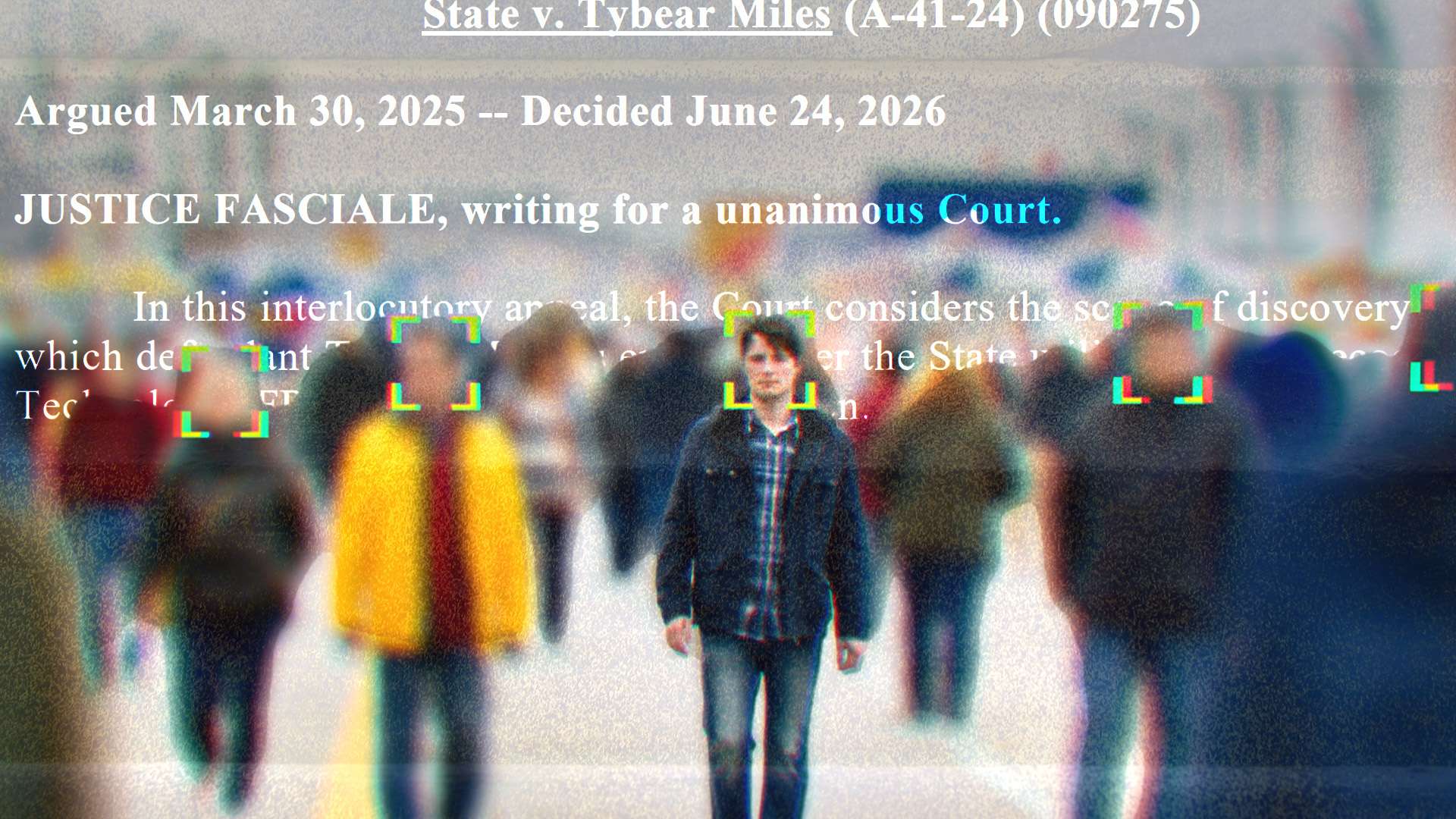
London Police Expand Live Facial Recognition London's Metropolitan Police are extending deployment of live facial recognition technology in high-traffic areas like the West End, scanning passersby and comparing their biometrics against watchlists. Civil liberties critics warn this represents "permanent biometric surveillance of the public square" incompatible with policing by consent.

India Proposes Nationwide Airport Facial Recognition Network India's Central Industrial Security Force (CISF) is considering a nationwide facial recognition network at major airports, feeding into a centralized monitoring center linked to government intelligence and identity databases—expanding surveillance infrastructure far beyond security screening.
ICE's Expanding AI and Surveillance Arsenal The Department of Homeland Security has disclosed over 200 AI use cases deployed by ICE, including facial recognition and data-tracking tools. Spending on surveillance technology contracts has soared to record levels under the Trump administration, with civil rights groups filing lawsuits over the scope and impact.

DHS Plans Local Police Facial Recognition Expansion A Department of Homeland Security document outlines plans to issue local police the same facial recognition technology used by federal immigration agents—a move that will significantly expand the scope of ICE surveillance and involve local law enforcement in immigration enforcement using biometric tools.
Washington Police Face Privacy Pushback Washington state police are encountering backlash over live facial recognition rollout. Privacy advocates warn the technology could wrongly flag innocent people and expose residents to biometric surveillance without clear consent or oversight mechanisms.
Analysis
The most significant civil liberties story this week is the global acceleration of facial recognition deployments paired with the first meaningful legal pushback. New Jersey's transparency mandate represents a rare court-imposed check on facial recognition use—requiring prosecutors to disclose algorithmic methodology, accuracy rates, and how suspects were identified. This addresses a critical gap: facial recognition evidence has historically flowed into prosecutions without defendants knowing how or why they were flagged.
Yet this transparency victory masks a darker pattern: London, India, Washington state, and ICE are all expanding biometric surveillance simultaneously and largely without comparable legal guardrails. The UK's deployment is particularly striking—officers scan crowds in real-time against watchlists, with minimal parliamentary oversight. India's proposal would link airport surveillance to national identity databases. And ICE's 200+ AI use cases, deployed under minimal public scrutiny, show how federal immigration enforcement is becoming a surveillance laboratory.
The gap between New Jersey's accountability requirement and the expansionist deployments elsewhere suggests surveillance is outpacing regulation globally.
Rights Action
-
Contact your representatives about the Government Surveillance Reform Act of 2026 (S.4082), bipartisan legislation introduced by Senators Wyden and Lee to reform FISA Section 702 and plug data broker surveillance loopholes.
-
Support organizations like the Electronic Frontier Foundation (EFF) that are actively opposing expansive facial recognition and pushing for legal reform.
-
Demand transparency in your local jurisdiction: request facial recognition policies, accuracy audits, and watchlist criteria from police departments using the technology.
-
Join or donate to civil liberties organizations fighting facial recognition bans and biometric surveillance in your city or state.
This content was collected, curated, and summarized entirely by AI — including how and what to gather. It may contain inaccuracies. Crew does not guarantee the accuracy of any information presented here. Always verify facts on your own before acting on them. Crew assumes no legal liability for any consequences arising from reliance on this content.
Powered by
