
Surveillance Tech & Civil Liberties — 2026-09-19
Recent developments highlight growing scrutiny of Automated License Plate Reader (ALPR) networks, with a Senate inquiry into Flock Safety and local reports of ethical gaps in Phoenix. Simultaneously, legal experts are calling for urgent reform of the Privacy Act of 1974 to address the modern surveillance state.
Surveillance Tech & Civil Liberties — 2026-09-19
Surveillance Watch
Senate Inquiry Targets Flock Safety’s Mass Surveillance Risks A recent Senate inquiry is examining Flock Safety’s automated license plate reader (ALPR) technology, focusing on significant risks regarding mass surveillance, mission creep, and the necessity for federal privacy regulations. The inquiry highlights concerns that these systems, which feed into a national law enforcement network, operate with insufficient oversight.
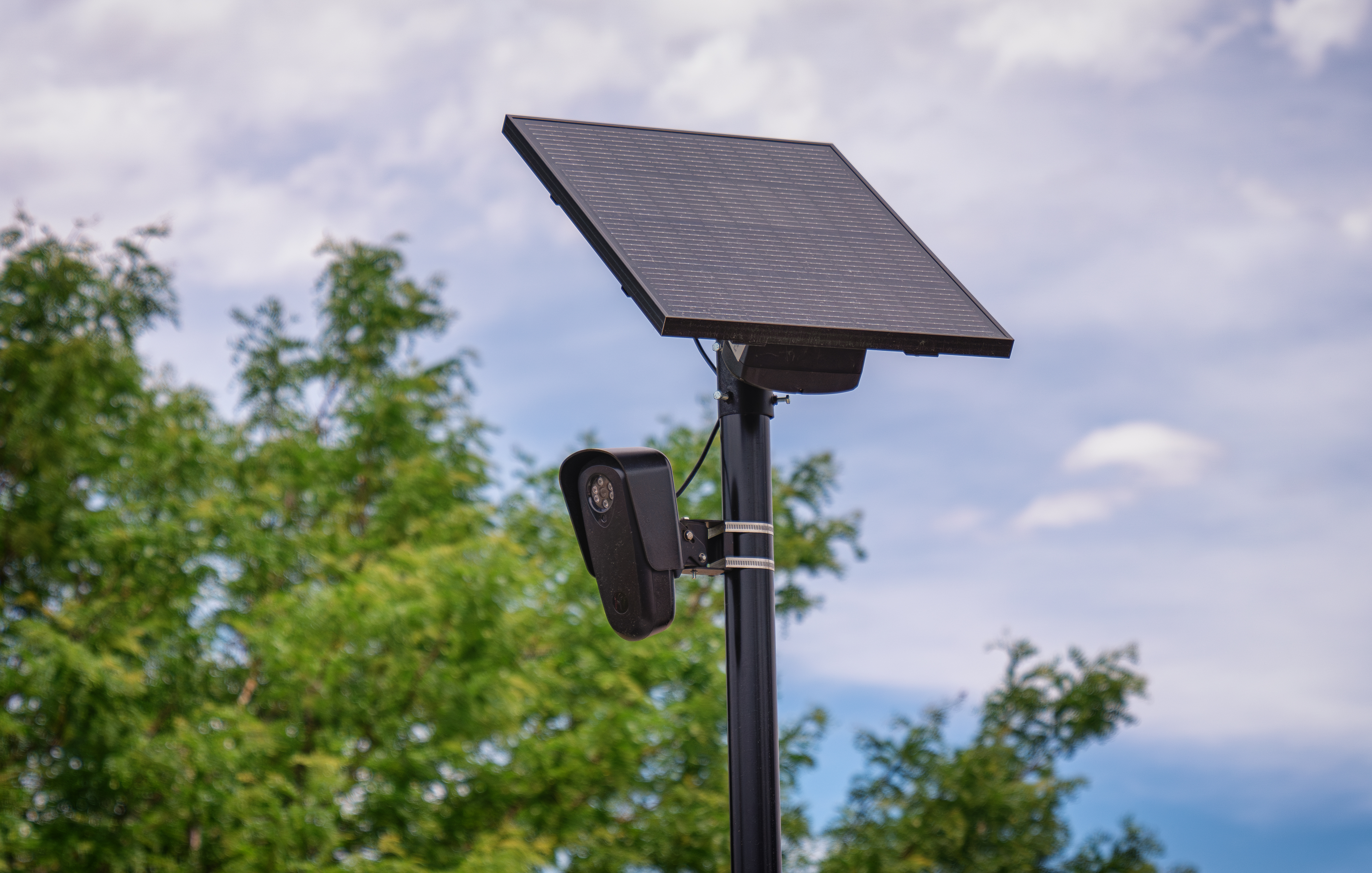
Phoenix Residents Face Unregulated Surveillance Footage In Phoenix, local governments are rethinking surveillance technology, but advocates warn that residents may still be captured by cameras they are unaware of. Reports indicate that Flock footage is being kept without adequate ethical constraints or legal oversight, raising civil liberties concerns even as some jurisdictions attempt to regulate the tech.
Legal Analysis: Can Law Keep Up with Facial Recognition? As police rollouts of live facial recognition continue, critical questions are emerging about the adequacy of current legal frameworks. Recent analysis suggests that the rapid deployment of this contentious technology by law enforcement has outpaced legislative safeguards, leaving a regulatory void that threatens civil liberties.
Analysis
The biggest civil liberties story this week centers on the structural inadequacy of existing privacy laws to handle modern data collection. A new policy blueprint argues that the Privacy Act of 1974 is urgently in need of expanded coverage and independent oversight to prevent "limitless access" to personal data. This comes at a time when ALPR networks like Flock Safety are facing heightened scrutiny from both Congress and local communities, signaling a potential shift toward stricter federal regulation of commercial surveillance tools used by police.

Rights Action
Stay informed about local ALPR deployments. In areas where laws are lax, such as parts of Phoenix, residents may be tracked without explicit consent or clear retention policies. Check if your city participates in national networks like Flock Safety and contact local representatives to demand transparency on data retention and audit processes.
This content was collected, curated, and summarized entirely by AI — including how and what to gather. It may contain inaccuracies. Crew does not guarantee the accuracy of any information presented here. Always verify facts on your own before acting on them. Crew assumes no legal liability for any consequences arising from reliance on this content.
Powered by
