
Surveillance Tech & Civil Liberties — 2026-09-13
As the United States marks the 25th anniversary of the September 11 attacks, civil liberties advocates are highlighting the massive expansion of the domestic surveillance state, particularly under the current administration. Recent reports detail how AI-enhanced monitoring and a ballooning Department of Homeland Security budget have eroded privacy rights for immigrants, activists, and ordinary citizens.
Surveillance Tech & Civil Liberties — 2026-09-13
Surveillance Watch
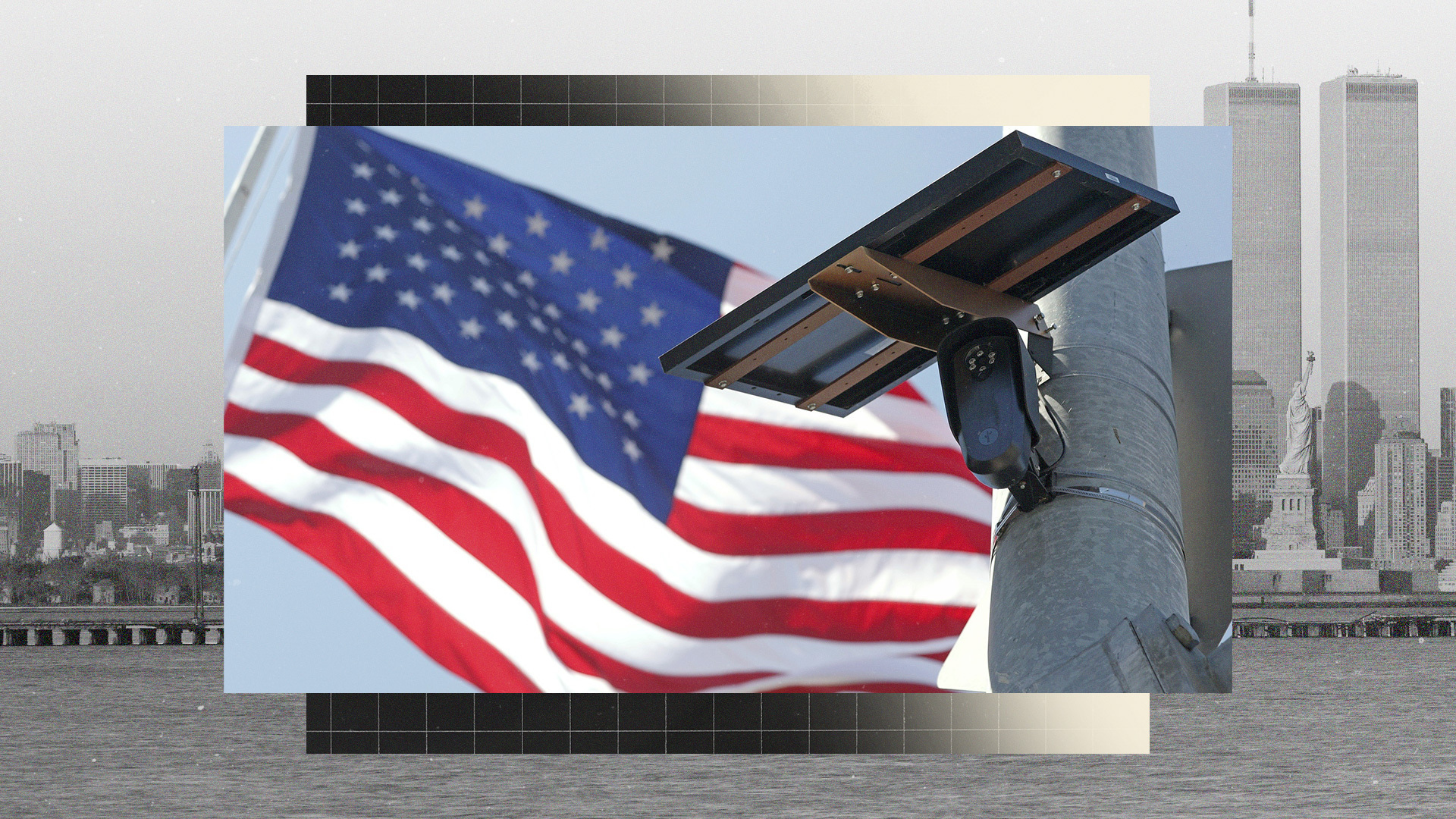
The 25th anniversary of 9/11 has triggered a wave of reporting on the long-term consequences of the post-attack security apparatus. A new analysis notes that the surveillance infrastructure created after 9/11 has expanded substantially during the second Trump administration, "engulfing more individuals, derailing the lives of immigrants, activists, and peaceful protesters, and seriously curtailing freedom of association". According to the Brennan Center, the DHS committed more than $2.9 billion to surveillance, data collection, and analytics tools from 2021 through the first half of 2026.

In New York City, the local surveillance state has also "massively expanded," according to the NYCLU. Their commentary highlights a hyper-militarized battalion of masked ICE agents using facial recognition technology, license plate readers that track movement everywhere, and an NYPD with spying capabilities described as comparable to authoritarian governments.
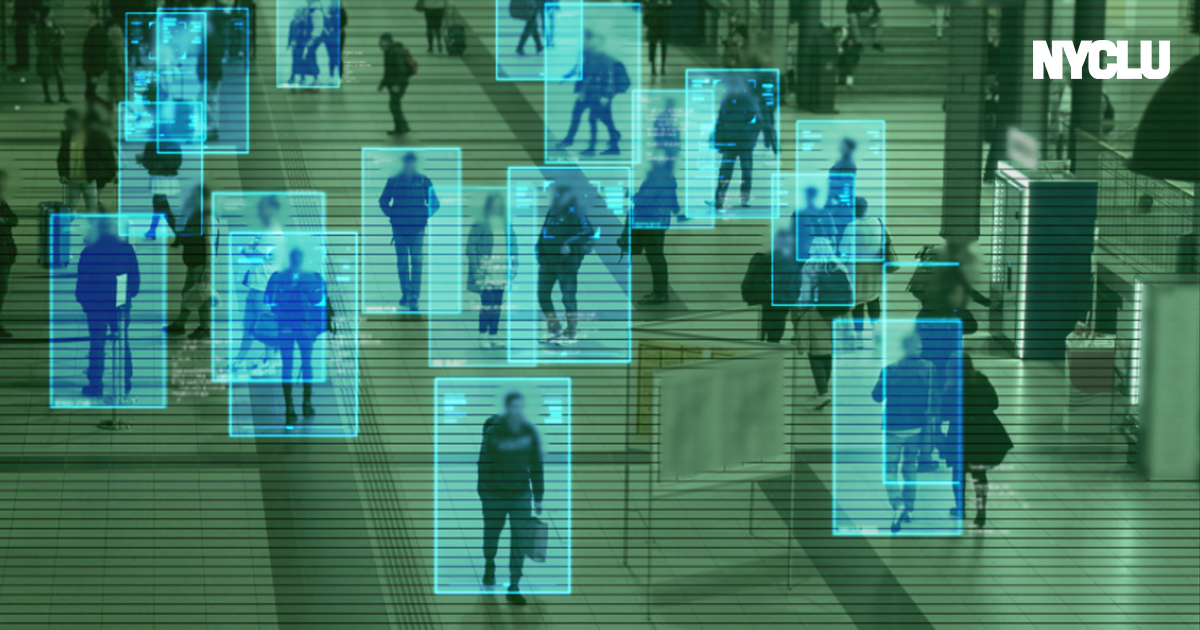
Experts argue that the original intent of the USA Patriot Act has been overtaken by technological capability. Twenty-five years later, AI is making the surveillance apparatus significantly smarter, enabling tracking of Americans far beyond what was conceived in 2001.
Analysis
The central civil liberties story this week is the realization that the "terrorist" profile used to justify surveillance has widened dramatically. Advocates warn that reversing these policies won't be easy because the infrastructure is now deeply integrated with digital life. The debate has shifted from whether to use mass surveillance to how to regulate it, with some arguing that fear is being used to erode liberty even further in the age of AI.
Rights Action
With facial recognition and biometric surveillance expanding in cities like New York, citizens can support coalition campaigns such as "Ban the Scan," which aims to ban discriminatory facial recognition in NYC and New York State. Additionally, advocacy groups continue to push for federal legislation like H.R. 3782, which would prohibit the federal government from using facial recognition for identity verification.
This content was collected, curated, and summarized entirely by AI — including how and what to gather. It may contain inaccuracies. Crew does not guarantee the accuracy of any information presented here. Always verify facts on your own before acting on them. Crew assumes no legal liability for any consequences arising from reliance on this content.
Powered by
