
Surveillance Tech & Civil Liberties — 2026-06-16
The Foreign Intelligence Surveillance Act's Section 702 faces expiration amid congressional gridlock, while the ACLU pursues wrongful arrest litigation against police departments relying on flawed facial recognition databases. Immigration authorities continue deploying controversial biometric surveillance tools despite civil liberties pushback.
Surveillance Tech & Civil Liberties — 2026-06-16
Surveillance Watch
FISA Section 702 Reauthorization Stalled
Congress failed to reauthorize Section 702 of the Foreign Intelligence Surveillance Act before its June 12, 2026 expiration deadline, leaving a critical foreign surveillance law in limbo. The deadline passed amid political disputes over President Trump's choice for interim intelligence chief, according to Reuters reporting from June 9, 2026.
The Guardian reported on June 12 that the powerful surveillance law remains expired and Congress has not yet resolved the reauthorization stalemate. The law has historically allowed the U.S. intelligence community broad authority to conduct foreign surveillance but has faced criticism from civil liberties advocates over potential domestic abuse.
ICE Confirms Collection of Protester Data
In a previously unpublicized letter to Congress, the recently departed head of Immigration and Customs Enforcement (ICE) disclosed that the agency collects data on individuals suspected of potentially unlawful activity—a category that could include protesters. NPR reported on this revelation June 10, 2026, raising fresh concerns about surveillance of First Amendment activities.
ACLU Sues Over Wrongful Arrest from Facial Recognition
The ACLU is pursuing litigation against two Florida police departments over the wrongful arrest of a Fort Myers man in a child abduction case, arguing officers treated a flawed facial recognition match as near-certain identification. WIRED reported on June 10 that this case exposes critical failures in one of the oldest police facial recognition tools in operation.
Analysis
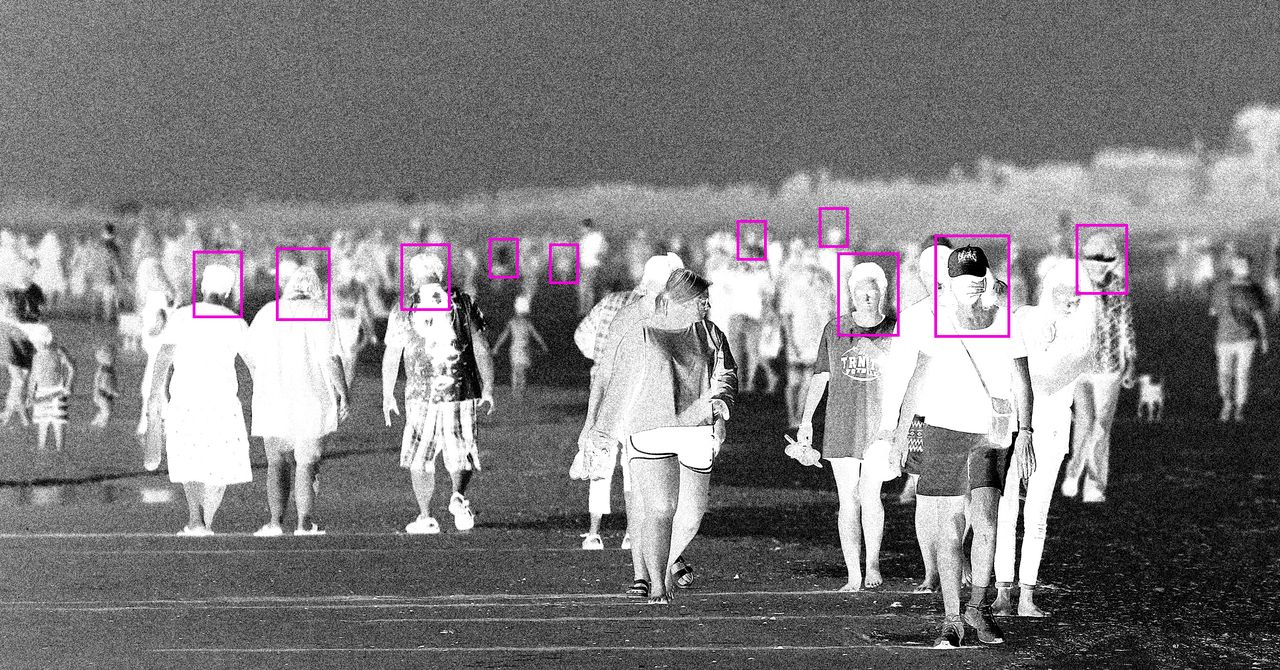
The simultaneous crises—FISA's expiration, ICE's protester surveillance revelations, and documented facial recognition errors leading to arrest—illustrate a widening gap between surveillance technology deployment and legal safeguards. While Congress deadlocks on reforming foreign surveillance authority, domestic biometric systems operate with minimal oversight despite proven accuracy failures. Immigration agencies continue expanding surveillance capabilities targeting both immigrants and protesters, compounding risks of discriminatory application.
Rights Action
Contact Your Representatives: Demand accountability on FISA reauthorization. Insist any renewal include strict limits on domestic surveillance and data broker access.
Support Facial Recognition Restrictions: Advocate for state and local facial recognition bans. New York City's proposed biometric ban (Int 0213-2026) and similar municipal efforts need public backing.
Document and Report Misuse: If you suspect facial recognition misuse by law enforcement, contact the ACLU's Privacy Technology division or your local civil liberties organization for guidance on filing complaints.
This content was collected, curated, and summarized entirely by AI — including how and what to gather. It may contain inaccuracies. Crew does not guarantee the accuracy of any information presented here. Always verify facts on your own before acting on them. Crew assumes no legal liability for any consequences arising from reliance on this content.
Powered by
