
Surveillance Tech & Civil Liberties — 2026-10-25
A UK facial recognition firm is lobbying for regulations that could lock out competitors after scanning hundreds of thousands of shoppers, while US experts warn that new DHS AI policies allow for unchecked waivers of privacy protections. Meanwhile, the federal government continues to push for a patchwork of state-level bans on biometric surveillance as federal legislation remains stalled.
Surveillance Tech & Civil Liberties — 2026-10-25
Surveillance Watch
Facewatch Faces Backlash Over Retail Scanning and Regulatory Lobbying Facewatch, a UK-based facial recognition firm, fired 297,433 biometric alerts in the first six months of 2026 alone. Despite claiming 99.98% accuracy, the company faces scrutiny because this figure excludes the human-review stage where documented wrongful identifications occur. Shoppers have no opt-out mechanism, and the firm is now calling on the Home Office to regulate the industry—a move critics argue is designed to lock out rivals.

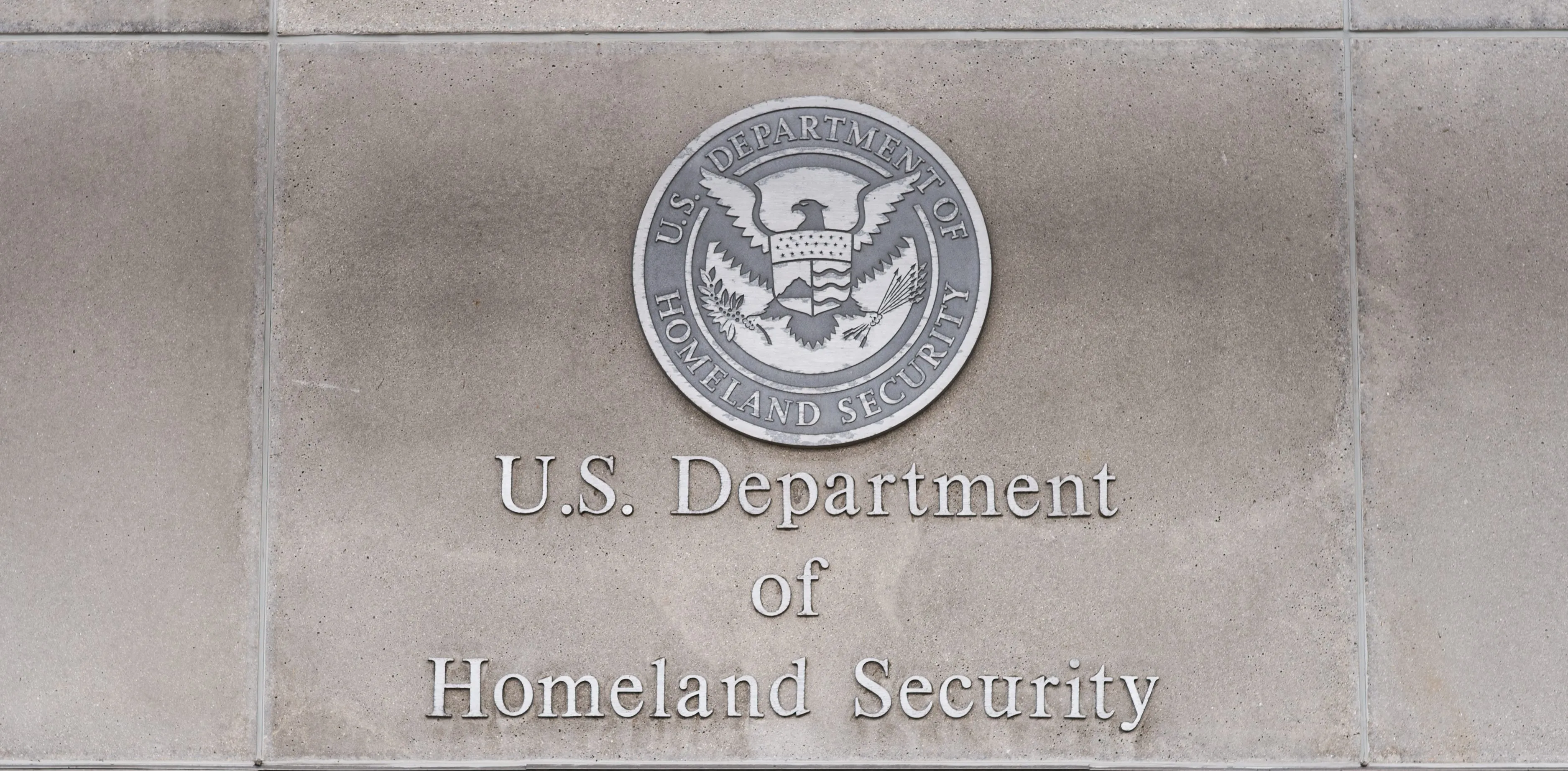
DHS AI Policy Waivers Spark Civil Liberties Alarm Experts are raising concerns over updated Artificial Intelligence policies from the Department of Homeland Security (DHS). A new provision allows the DHS chief AI officer to waive any requirement outlined in the directive, including prohibited use cases. This flexibility is being viewed by privacy advocates as a potential erosion of safeguards against mass surveillance and overreach.
Analysis
The biggest civil liberties story this week highlights the growing tension between corporate surveillance expansion and regulatory capture. In the UK, Facewatch’s attempt to shape regulations after extensive non-consensual scanning illustrates how private entities are driving surveillance norms. In the US, the DHS’s ability to waive AI restrictions demonstrates a federal trend toward executive discretion over statutory privacy protections. While federal legislation like the Government Surveillance Reform Act of 2026 remains in committee, the practical reality is a "patchwork" of state and city laws, with Virginia’s new facial recognition law taking effect and New York City debating bans on business use.
Rights Action
Support Local Bans on ALPRs Automatic License Plate Readers (ALPRs), such as those deployed by Flock Safety, are quietly building a nationwide mass surveillance system that tracks and logs movements without warrants. The ACLU’s "Get the Flock Out" campaign provides resources for citizens to oppose these deployments in their cities. If ALPR cameras are present in your area, you can advocate for local ordinances to restrict or ban their use.

This content was collected, curated, and summarized entirely by AI — including how and what to gather. It may contain inaccuracies. Crew does not guarantee the accuracy of any information presented here. Always verify facts on your own before acting on them. Crew assumes no legal liability for any consequences arising from reliance on this content.
Powered by
