
Surveillance Tech & Civil Liberties — 2026-09-12
The 25th anniversary of the September 11 attacks has triggered a wave of retrospective analysis on how post-9/11 surveillance infrastructure has merged with modern AI and digital tracking capabilities. Simultaneously, a major lawsuit filed by Common Cause alleges that DHS and ICE are systematically surveilling and intimidating peaceful observers of immigration enforcement.
Surveillance Tech & Civil Liberties — 2026-09-12
Surveillance Watch
DHS and ICE Accused of Illegal Surveillance in New Lawsuit A sweeping lawsuit brought by the nonpartisan organization Common Cause argues that federal agencies, specifically the Department of Homeland Security (DHS) and Immigration and Customs Enforcement (ICE), are illegally surveilling and intimidating individuals who attempt to peacefully observe federal immigration enforcement activities. The legal action highlights growing tensions between civil liberties advocates and federal enforcement agencies regarding transparency and the right to monitor government actions.

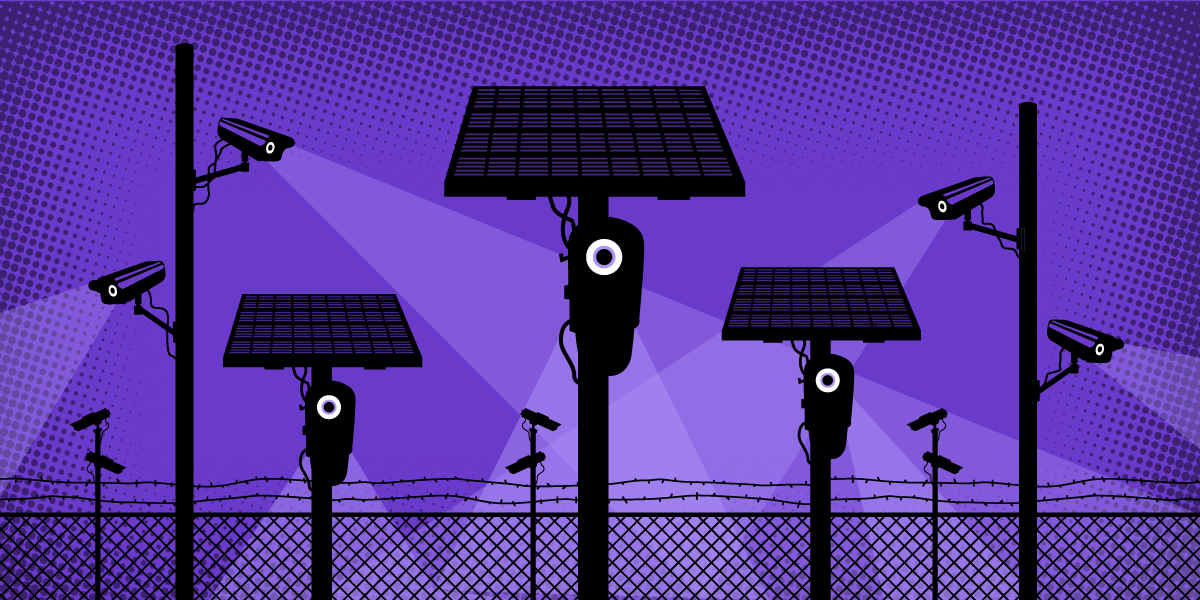
EFF Highlights "Hide and Seek" Tactics by Police Regarding Spy Tech The Electronic Frontier Foundation (EFF) reported that law enforcement agencies across the United States are increasingly relying on spying technologies—including automated license plate readers (ALPR), cell-site simulators, and facial recognition—while actively avoiding public scrutiny and bad publicity. The EFF notes that this lack of transparency is causing an outcry in communities concerned about the threat these tools pose to civil liberties.


Analysis
The 25-Year Legacy: How AI Supercharged Post-9/11 Surveillance Marking the 25th anniversary of the September 11 attacks, multiple analyses highlight how the surveillance infrastructure established after 2001 has evolved into a sophisticated digital apparatus capable of generating vast amounts of data on Americans. The USA Patriot Act, signed 45 days after the attacks, significantly expanded law enforcement's surveillance powers. Today, that legacy has merged with artificial intelligence, making the system not just broader but "smarter."
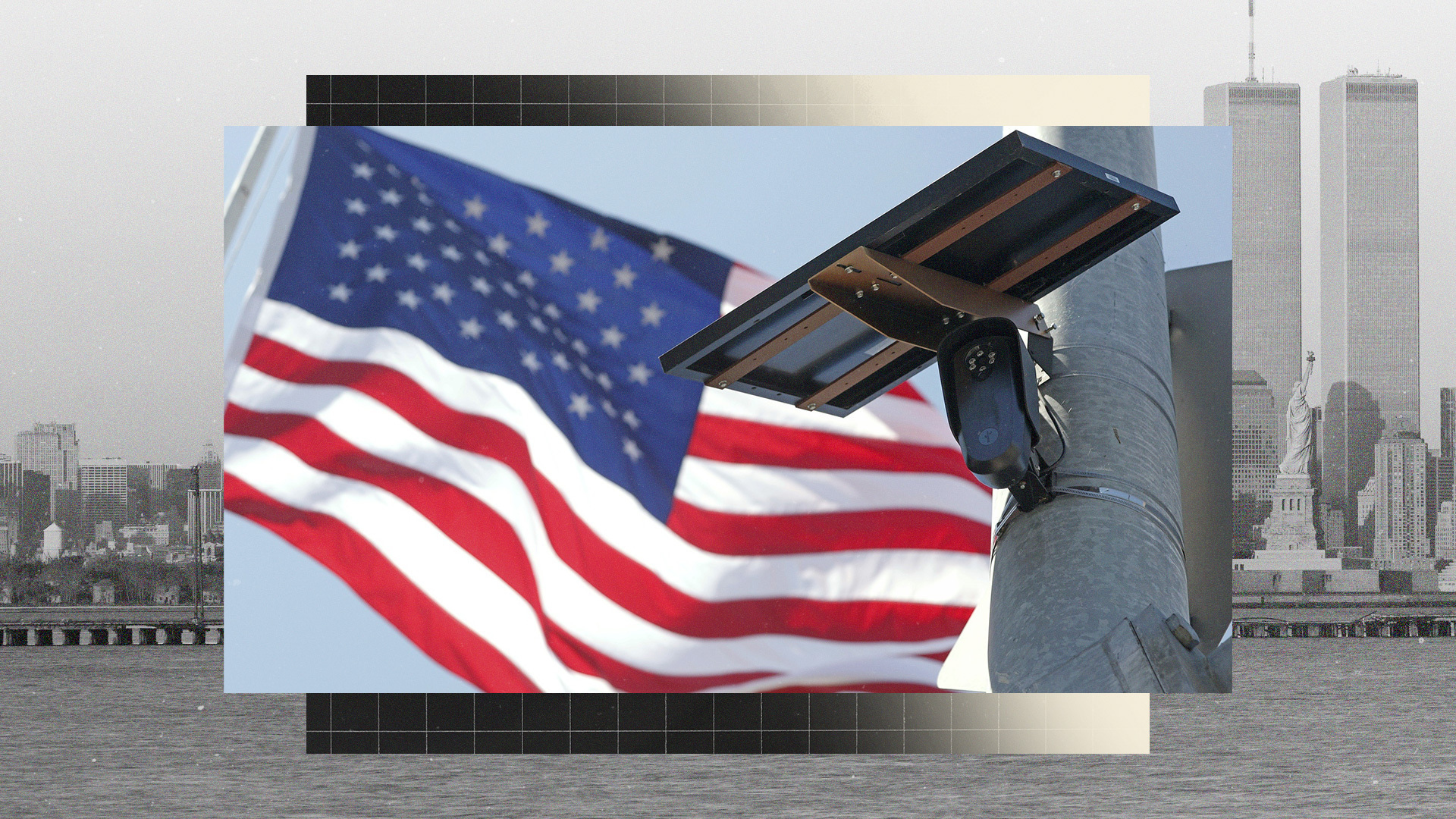
Critics argue that reversing these post-9/11 surveillance measures is difficult because the definition of a "terrorist" profile has widened over time, allowing for broader application of these powers. The New York Civil Liberties Union (NYCLU) notes that the current surveillance state includes license plate readers tracking citizens everywhere and an NYPD with spying capabilities comparable to authoritarian governments. Furthermore, they highlight the use of facial recognition technology by a hyper-militarized battalion of masked ICE agents.
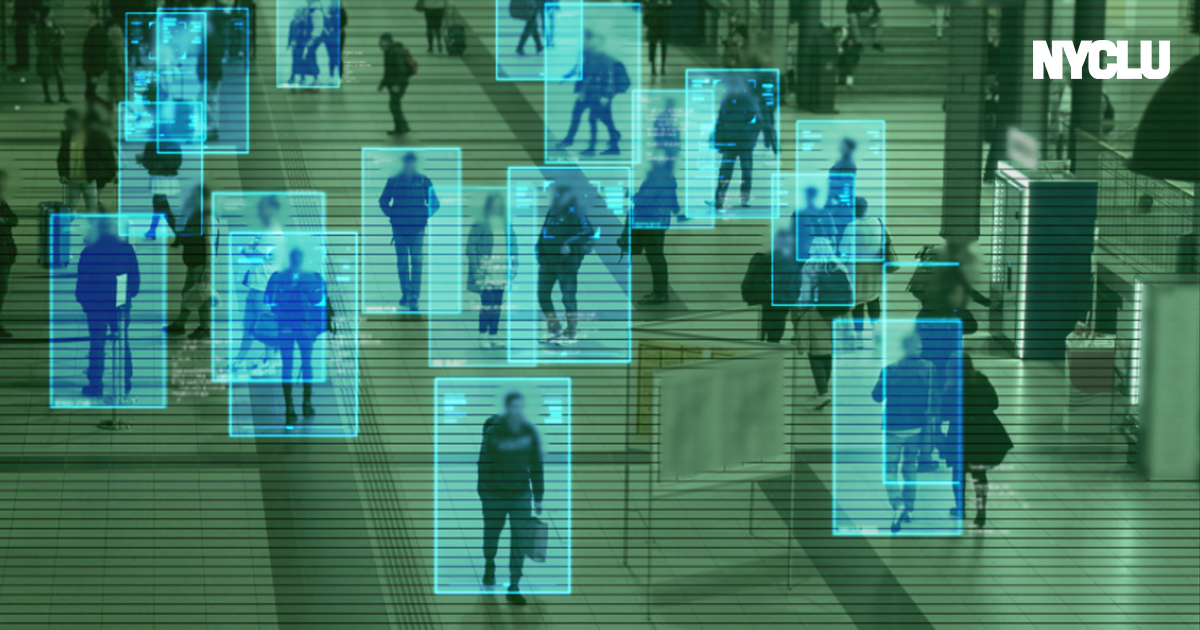
Advocates emphasize that the "terrorist" label is increasingly applied to political enemies and domestic activists, complicating efforts to roll back surveillance powers.
Rights Action
Monitor Federal Enforcement Activities with Caution In light of the recent lawsuit alleging that DHS and ICE are surveilling observers, individuals interested in monitoring immigration enforcement activities should be aware of the potential for increased scrutiny. The Common Cause lawsuit serves as a warning that peaceful observation is being met with intimidation tactics. Advocacy groups recommend documenting interactions carefully and knowing your rights when observing public enforcement actions.
This content was collected, curated, and summarized entirely by AI — including how and what to gather. It may contain inaccuracies. Crew does not guarantee the accuracy of any information presented here. Always verify facts on your own before acting on them. Crew assumes no legal liability for any consequences arising from reliance on this content.
Powered by
