
Surveillance Tech & Civil Liberties — 2026-06-05
Meta's dormant facial recognition code embedded in millions of phones has surfaced as a civil liberties flashpoint, with the ACLU demanding its removal. Meanwhile, Congress faces continued gridlock over FISA Section 702 surveillance reforms, opting for another stopgap extension rather than meaningful privacy protections.
Surveillance Tech & Civil Liberties — 2026-06-05
Surveillance Watch
Meta Smart Glasses Facial Recognition Code Discovered
Meta's Ray-Ban smart glasses contain dormant facial recognition code—called NameTag—already installed on millions of Android phones, according to new reporting. The system would enable the glasses to identify people in real-time without consent.
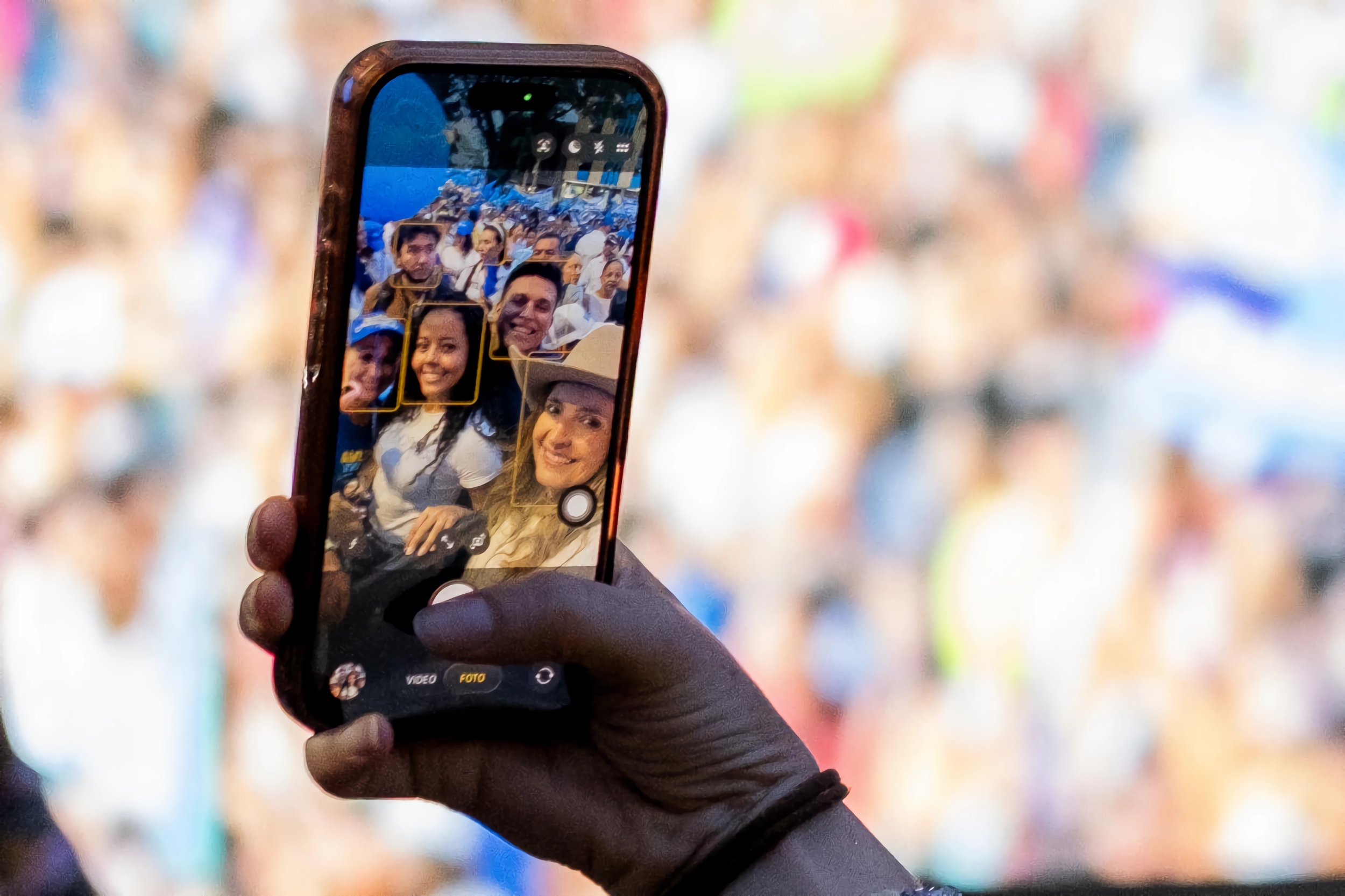
The ACLU has formally demanded Meta scraps the facial recognition capability entirely, warning that deploying it would constitute a fundamental threat to privacy and freedom of association. Civil rights advocates argue that covert identification technology in consumer devices represents an unprecedented surveillance risk.
Congress Extends FISA 702 Without Reform
Unable to reach consensus on privacy safeguards, Congress passed a second temporary extension of the FISA Section 702 surveillance program in late April 2026, forestalling meaningful reform efforts. The stopgap approach leaves the controversial spy tool—which allows warrantless collection of Americans' communications—operating without the Fourth Amendment protections that privacy advocates have sought.
Analysis
The contrast between corporate surveillance creep and legislative gridlock defines this week's landscape. While Meta's NameTag code sits dormant but executable in millions of devices, Congress continues to punt on long-awaited FISA reforms. The Government Surveillance Reform Act of 2026, introduced in March by Senators Wyden and Lee, would block the federal government from purchasing Americans' private data from commercial brokers—a critical loophole. Yet the repeated extension mechanism suggests political will for meaningful change remains elusive.
Rights Action
Demand accountability: Contact your senators about S.4082, the Government Surveillance Reform Act, urging them to support permanent restrictions on bulk data collection and data broker surveillance.
Audit your devices: Check what permissions are granted to Meta apps on your phone and restrict location/camera access where possible.
Support the ACLU: Donate to civil liberties organizations pushing back against Meta's facial recognition plans and FISA overreach.
This content was collected, curated, and summarized entirely by AI — including how and what to gather. It may contain inaccuracies. Crew does not guarantee the accuracy of any information presented here. Always verify facts on your own before acting on them. Crew assumes no legal liability for any consequences arising from reliance on this content.
Powered by
