
Surveillance Tech & Civil Liberties — 2026-10-29
Recent disclosures reveal extensive live facial recognition scanning in Hampshire without parliamentary oversight, highlighting a significant legal vacuum in the UK. Concurrently, industry groups are releasing new research challenging the scientific basis for facial recognition bias concerns, while digital rights advocates continue to push for federal legislative reforms in the US to curb government surveillance powers.
Surveillance Tech & Civil Liberties — 2026-10-29
Surveillance Watch
UK Live Facial Recognition Scans Spark Legal Vacuum Concerns New data disclosed by Big Brother Watch reveals that UK police used live facial recognition to scan 406,001 faces in Hampshire over a single year without any parliamentary vote or specific legal framework. This deployment occurred while the Police Reform Bill, intended to regulate such technology, has yet to reach Parliament. The situation is further complicated by a High Court ruling in April 2026, which left the legal status of these operations ambiguous.
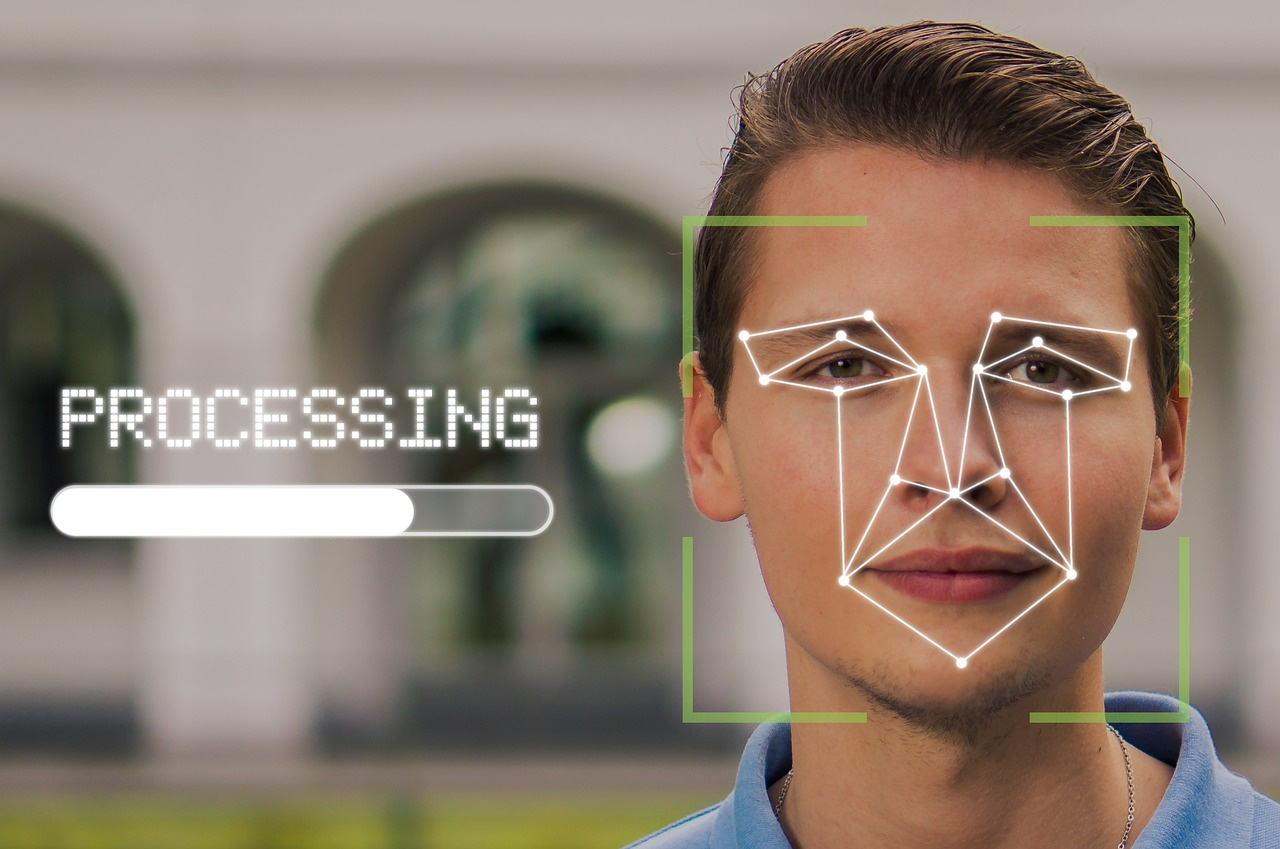
Industry Pushback on Bias Narratives The Security Industry Association released a report on October 26, 2026, arguing that the scientific evidence frequently cited by proponents of facial recognition bans is "irrelevant, obsolete, nonscientific or misrepresented". This publication aims to counter prevailing narratives regarding accuracy and bias in surveillance technology, potentially influencing ongoing regulatory debates.

Analysis
The most significant civil liberties development this week centers on the lack of democratic oversight in the UK's use of live facial recognition. The scanning of over 400,000 individuals without a parliamentary vote underscores a critical gap between technological deployment and legal regulation. This case illustrates how surveillance infrastructure can become normalized before legislative bodies have the opportunity to establish privacy safeguards or define the permissible bounds of state monitoring.
Rights Action
Monitor Federal Legislation Citizens concerned about government surveillance can track active legislative efforts such as the Government Surveillance Reform Act of 2026, which seeks to reauthorize and reform Section 702 of FISA to protect constitutional rights and close data broker loopholes. Advocacy groups like Reclaim the Net maintain digital rights bill trackers to help the public identify bills that would cut off federal funding for automated license plate readers and biometric surveillance cameras.
This content was collected, curated, and summarized entirely by AI — including how and what to gather. It may contain inaccuracies. Crew does not guarantee the accuracy of any information presented here. Always verify facts on your own before acting on them. Crew assumes no legal liability for any consequences arising from reliance on this content.
Powered by
