
Surveillance Tech & Civil Liberties — 2026-09-06
Recent developments highlight growing legal scrutiny of facial recognition in public spaces, particularly regarding protest monitoring in India. Meanwhile, new technical analyses expose the inherent biases and civil liberties risks embedded in predictive policing algorithms that score individuals based on location and historical data.
Surveillance Tech & Civil Liberties — 2026-09-06
Surveillance Watch
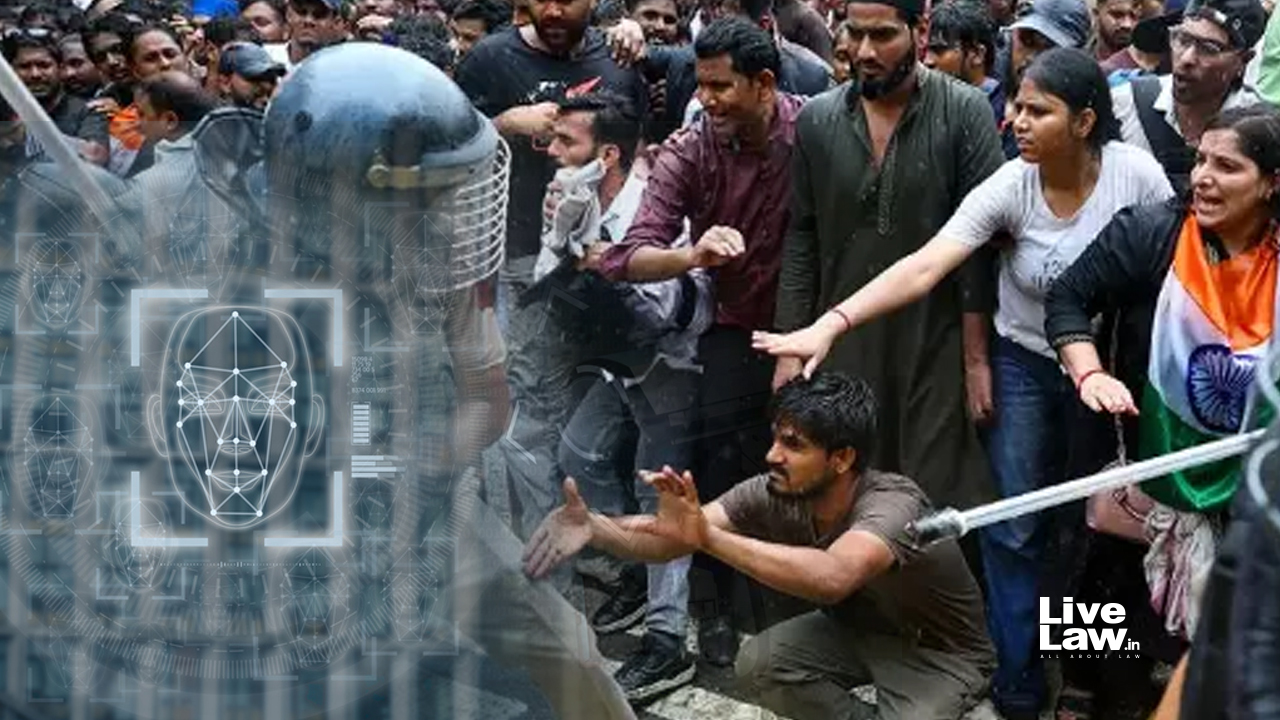
India: Constitutional Limits on Protest Surveillance A new legal analysis examines the constitutional boundaries of using facial recognition technology to monitor protests in India. The article discusses a recent incident where mobile command vehicles equipped with cameras were deployed against students protesting the NEET paper-leak scandal. It argues that such state surveillance of peaceful assembly raises significant questions under Article 21 (Right to Life and Personal Liberty) and existing data protection laws.
Analysis
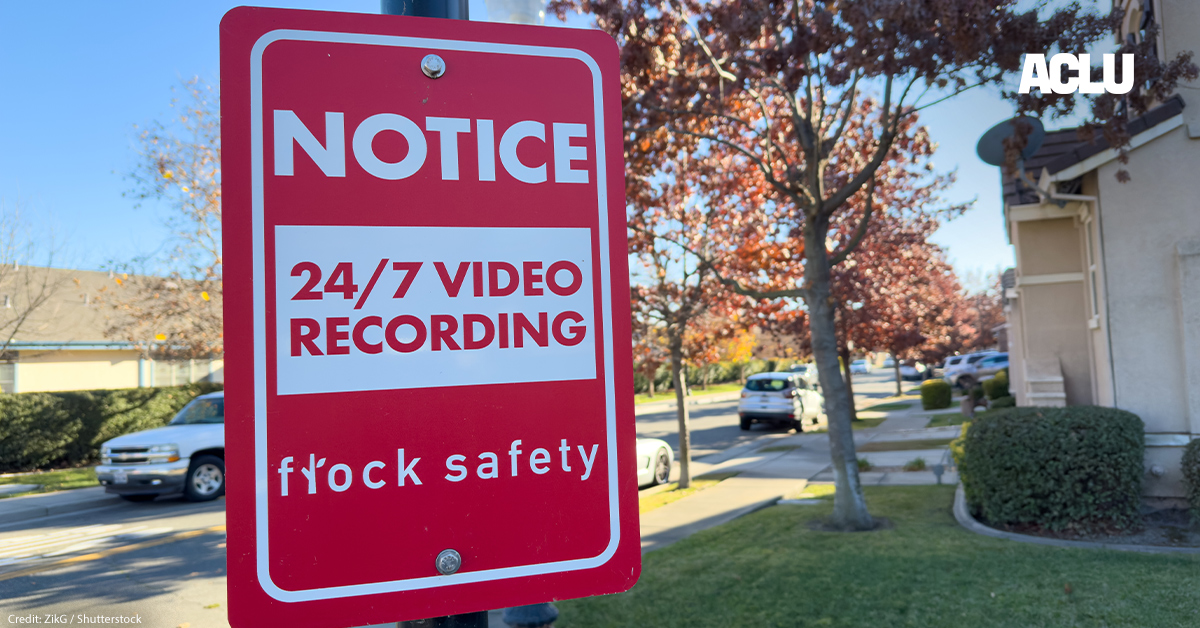
The Mechanics of Predictive Policing A technical breakdown published on September 5 details how predictive policing systems operate through "location and person-based forecasting." These systems utilize risk-scoring algorithms trained on historical data to predict where crimes will occur or who is likely to commit them. The analysis warns that this approach often creates a "biased feedback loop" that undermines civil liberties. Because historical data reflects past policing biases (such as over-policing in minority neighborhoods), the algorithms perpetuate these disparities by directing more resources to those same areas, leading to more arrests and further reinforcing the biased data.
Rights Action
Understanding Digital Rights in 2026 With surveillance technologies expanding rapidly, it is crucial for individuals to understand their digital rights. The Electronic Frontier Foundation (EFF) remains a primary resource, currently fighting encryption backdoor mandates and contesting warrantless border searches. They maintain tools like the "Atlas of Surveillance" which allows citizens to map police surveillance technologies in their area. Individuals are encouraged to review current guides on digital rights to better protect themselves against data broker loopholes and government overreach.
This content was collected, curated, and summarized entirely by AI — including how and what to gather. It may contain inaccuracies. Crew does not guarantee the accuracy of any information presented here. Always verify facts on your own before acting on them. Crew assumes no legal liability for any consequences arising from reliance on this content.
Powered by
