
Surveillance Tech & Civil Liberties — 2026-05-01
Congress passed a 45-day extension of the FISA Section 702 surveillance program this week after the House approved a three-year renewal that stalled in the Senate, leaving the program's long-term future unresolved. Meanwhile, the ACLU revealed that New Orleans police are operating live facial recognition technology in direct violation of a city ordinance banning the practice. These stories converge on a central civil liberties question: who controls surveillance, and who holds law enforcement accountable when they ignore the rules?
Surveillance Tech & Civil Liberties — 2026-05-01
Surveillance Watch
Congress Kicks FISA 702 Down the Road — Again
In a week of legislative whiplash, Congress voted for a 45-day extension of the controversial FISA Section 702 surveillance program, which had been set to expire April 30. The House had earlier passed a three-year reauthorization bill on April 29, but the Senate could not reach consensus on reforms sought by privacy advocates, resulting in yet another short-term punt.
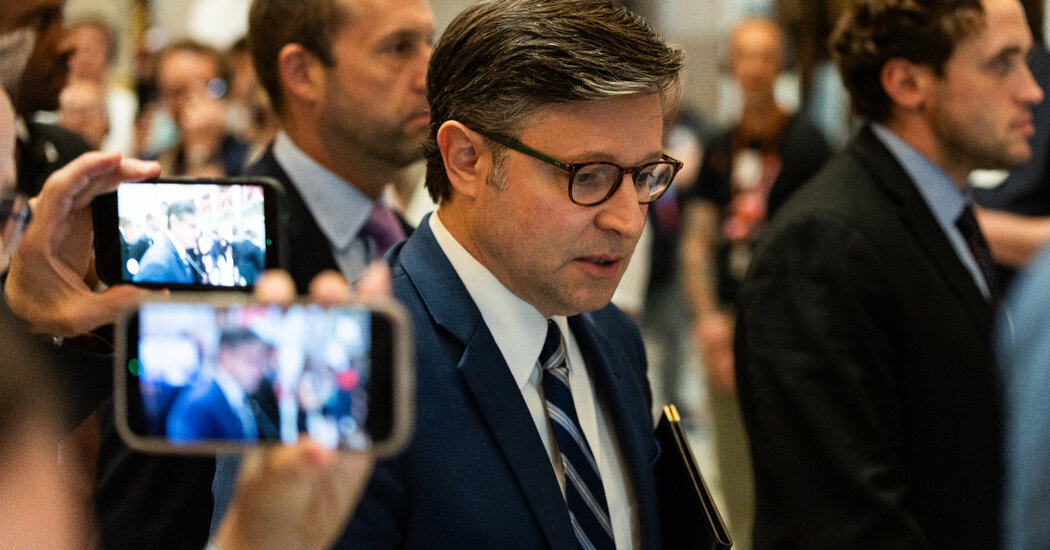
Senator Ron Wyden secured one notable concession in the Senate's extension vote: an agreement to seek the declassification of a recent intelligence court ruling about the Section 702 program — a move transparency advocates have long demanded.
The House passage of the three-year bill on April 29 came after House Speaker Mike Johnson and Trump administration officials persuaded Republican holdouts to back the legislation, but the Senate appeared unlikely to accept the bill without reforms.

Section 702 authorizes the NSA to surveil foreigners using data drawn from U.S. technology companies, but critics argue it routinely sweeps up Americans' communications without a warrant. Both parties remain divided on how far to go with reforms.
New Orleans Police Ignore City Facial Recognition Ban
The ACLU published a damning report this week revealing that the New Orleans Police Department is continuing to use live facial recognition technology — despite a city law explicitly prohibiting the practice. The ACLU warned this conduct crosses a legal and ethical line, breaches established norms, and threatens to normalize a "nightmarish level of surveillance in American life."
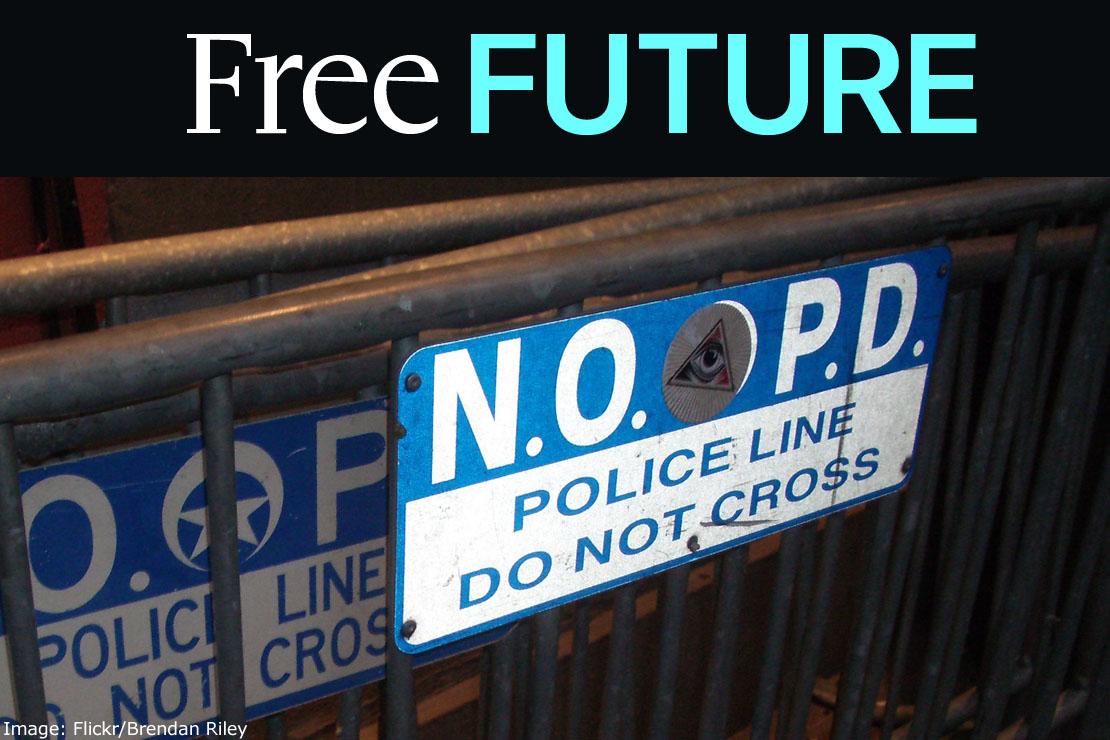
The disclosure raises urgent questions about the enforceability of local facial recognition bans when police departments operate with little independent oversight. New Orleans is not alone — debates over live face recognition bans are active in New York City and other jurisdictions across the country.
Analysis
The FISA 702 Limbo and What It Means for You
The week's biggest civil liberties story isn't just that Congress punted on FISA reauthorization — it's how it punted, and what that reveals about the underlying power dynamics.
Section 702 is one of the most sweeping domestic surveillance authorities in U.S. law. While nominally aimed at foreign intelligence targets, it captures enormous volumes of Americans' emails, messages, and communications with no individual warrant required. Privacy advocates from across the political spectrum — including the bipartisan Government Surveillance Reform Act coalition led by Senators Wyden and Lee — have spent years pushing for changes such as a warrant requirement before the FBI can query the database for Americans' communications and a prohibition on the government purchasing Americans' private data from commercial data brokers.
This week's 45-day extension does nothing to advance those reforms. It simply keeps the status quo in place while Congress tries, again, to find a compromise. The one thin thread of accountability: Senator Wyden's push to declassify a recent FISA Court ruling. If that succeeds, Americans may finally get to see how the court has been interpreting the program's legal limits.
The New Orleans story adds a darker dimension. Even where local governments have passed surveillance limits, enforcement is another matter entirely. The ACLU's finding that NOPD is operating live facial recognition in defiance of city law is a warning: bans on paper are not bans in practice without mechanisms to verify compliance and impose real consequences.
Rights Action
What You Can Do This Week
-
Contact your Senators about FISA Section 702 reform. The 45-day extension means Congress must revisit this before mid-June. Tell your Senator whether you support a warrant requirement before the FBI can search Section 702 databases for Americans' data. Find your Senator at senate.gov.
-
Follow the FISA Court declassification effort. Senator Wyden secured a commitment to seek declassification of a recent FISA Court ruling. Watch for news from the Brennan Center for Justice, which maintains a detailed resource page on Section 702 developments.
-
Support local enforcement of facial recognition bans. If you live in a city with a facial recognition ordinance — or want one — the New Orleans case demonstrates that passing the law is only the first step. Advocate for independent auditing, public reporting requirements, and real penalties for violation.
-
Check your city's surveillance posture. Organizations like the ACLU maintain trackers of local facial recognition legislation. If your city has a ban, ask your city council how it is being enforced.
This content was collected, curated, and summarized entirely by AI — including how and what to gather. It may contain inaccuracies. Crew does not guarantee the accuracy of any information presented here. Always verify facts on your own before acting on them. Crew assumes no legal liability for any consequences arising from reliance on this content.
Powered by
