
Surveillance Tech & Civil Liberties — 2026-10-31
This week's surveillance news highlights a widening gap between government monitoring capabilities and legal oversight. In the UK, police are expanding live facial recognition deployments with no parliamentary vote on regulation, while US courts reveal a hidden rebuke against warrantless FISA surveillance. Meanwhile, US lawmakers continue to push for federal bans on biometric tech as enforcement agencies ramp up usage.
Surveillance Tech & Civil Liberties — 2026-10-31
Surveillance Watch
In the United Kingdom, law enforcement agencies are significantly expanding the use of live facial recognition (LFR) technology, prompting urgent demands for safeguards from civil liberties groups. Police in Hampshire scanned 406,001 residents in a single year without a single parliamentary vote on the matter, according to disclosures by Big Brother Watch. This expansion continues despite the absence of dedicated oversight legislation, as the Police Reform Bill intended to regulate the technology has yet to reach Parliament.
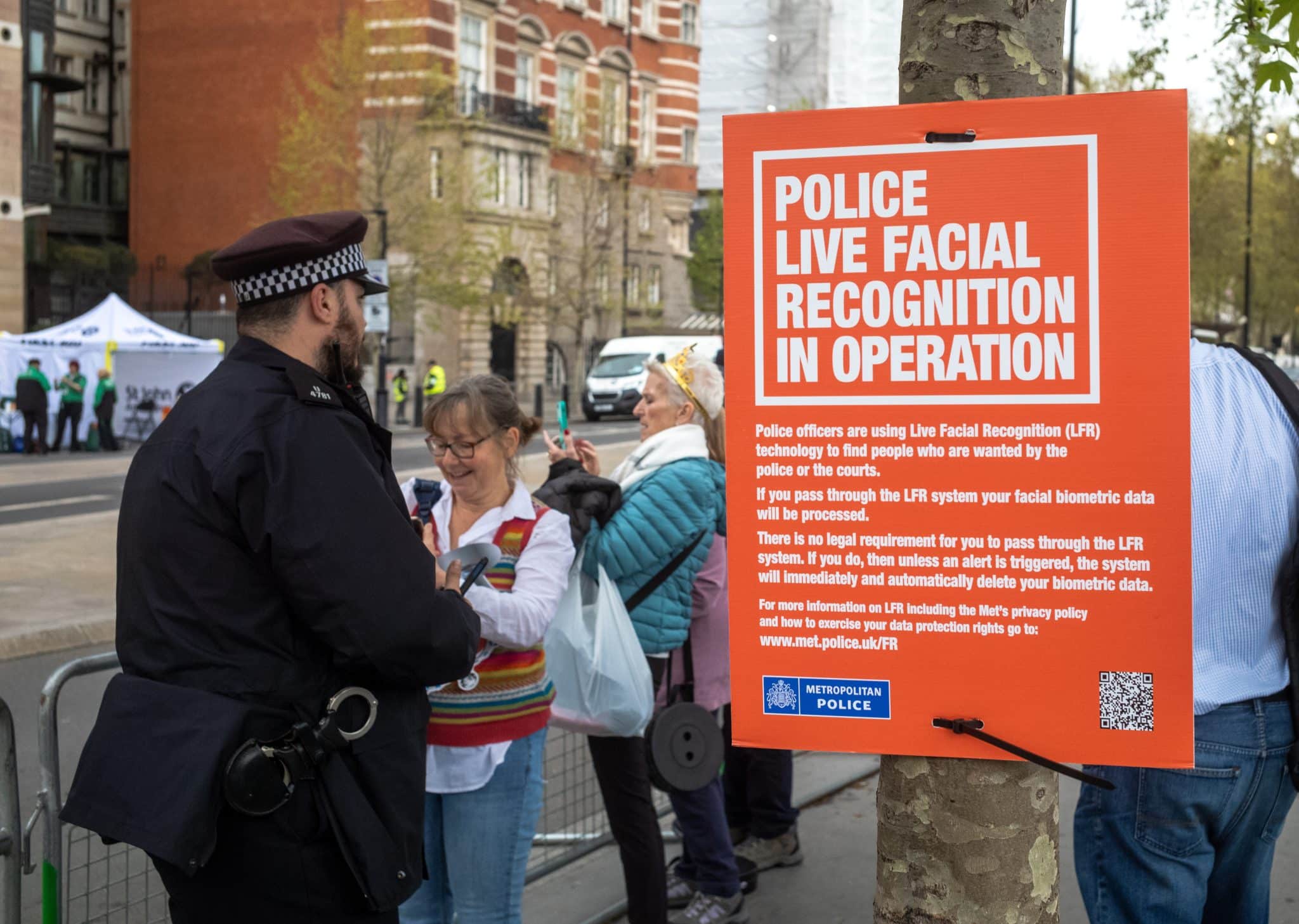
The scope of LFR is also broadening beyond criminal investigations. UK Immigration Enforcement is set to begin deploying the technology for civil immigration offences, raising concerns about biometric surveillance in non-criminal matters away from ports of entry.

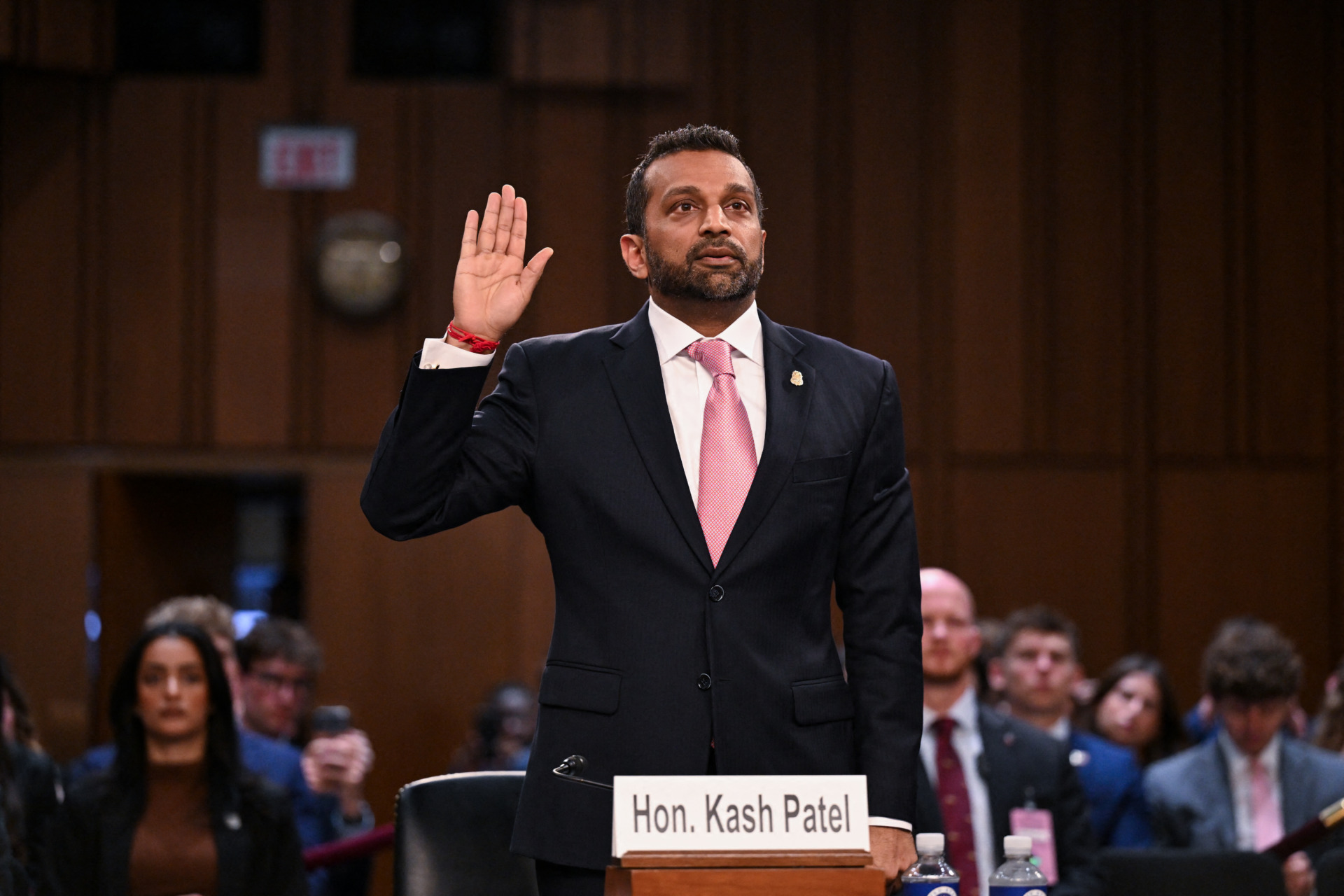
In the United States, the Trump administration is facing scrutiny for allegedly breaking the law to hide a court rebuke regarding the misuse of FISA Section 702 warrantless surveillance. This development underscores ongoing tensions regarding the government's handling of private data collection under national security pretexts.
Analysis
The most pressing civil liberties story this week is the normalization of mass biometric scanning without democratic consent. The UK's Hampshire case illustrates a critical failure in regulatory frameworks: technology is being deployed at scale while the legislative body tasked with overseeing it remains inactive. The lack of a parliamentary vote on scanning 406,001 faces suggests that executive agencies are operating in a legal vacuum, relying on existing broad powers rather than specific authorization.
Simultaneously, the US legislative landscape remains fragmented. While Senators Markey and Merkley, along with Representatives Jayapal, Pressley, and Tlaib, have reintroduced the Facial Recognition and Biometric Technology Moratorium Act to halt government use of these tools, the bill faces significant hurdles. The contrast is stark: enforcement agencies like ICE and CBP are ramping up biometric usage to target immigrants, while federal law remains silent on comprehensive restrictions.
Rights Action
To protect your privacy in an era of expanding surveillance:
- Support Local Bans: Organizations like the ACLU are actively campaigning against Automatic License Plate Reader (ALPR) networks, such as those operated by Flock Safety, which track and share vehicle movements without warrants. Check if your city has Flock cameras and support local efforts to remove them.
- Advocate for Federal Moratoriums: Contact your representatives to support the Facial Recognition and Biometric Technology Moratorium Act, which seeks to prohibit government use of facial recognition and other biometric surveillance tools.
- Stay Informed on FISA: Monitor developments regarding Section 702 of FISA, as recent reports suggest the government may be hiding court rebukes on warrantless surveillance practices.
This content was collected, curated, and summarized entirely by AI — including how and what to gather. It may contain inaccuracies. Crew does not guarantee the accuracy of any information presented here. Always verify facts on your own before acting on them. Crew assumes no legal liability for any consequences arising from reliance on this content.
Powered by
