
Surveillance Tech & Civil Liberties — 2026-10-11
Recent legislative developments in the US highlight a growing push to restrict government use of biometric surveillance, with the reintroduction of the Facial Recognition and Biometric Technology Moratorium Act. Meanwhile, international frameworks continue to grapple with the legal adequacy of live facial recognition in policing.
Surveillance Tech & Civil Liberties — 2026-10-11
Surveillance Watch
US Lawmakers Revive Federal Biometric Surveillance Moratorium A coalition of Democratic lawmakers, led by Senators Edward J. Markey and Jeff Merkley and Representatives Pramila Jayapal, Rashida Tlaib, and Ayanna Pressley, has revived legislation to sharply restrict the federal government's use of facial recognition and other biometric technologies. The "Facial Recognition and Biometric Technology Moratorium Act of 2026" aims to prohibit the use of these tools by federal agencies, with new language broadening the scope of previous moratorium proposals. This move follows earlier reintroductions of similar bills intended to halt the expansion of a "digital police state".
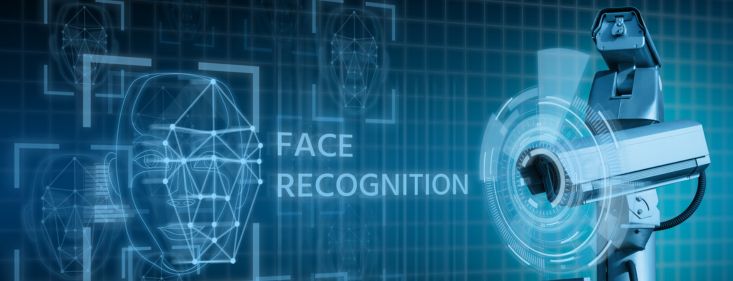
Legal Frameworks Struggle to Keep Pace with Policing Tech As police rollouts of live facial recognition continue globally, critical questions are emerging regarding the adequacy of current legal frameworks governing law enforcement’s use of the technology. Recent analyses suggest that existing laws may not sufficiently address the civil liberties risks posed by these contentious tools.
Analysis
The Biometric Moratorium Debate Intensifies The reintroduction of the Federal Biometric Surveillance Moratorium Act represents a significant escalation in the domestic debate over privacy rights versus security efficiency. While proponents argue that a federal ban is necessary to prevent the normalization of mass surveillance, critics often cite potential public safety benefits. The new bill's broadened language indicates a strategic response to the rapid adoption of AI-driven surveillance tools by agencies like ICE and CBP, which have been criticized for operating without clear democratic consent or robust oversight mechanisms.
Rights Action
Stay Informed on Local and Federal Legislation Citizens concerned about biometric surveillance can monitor the progress of the "Facial Recognition and Biometric Technology Moratorium Act" through official congressional tracking sites. Additionally, individuals can review local city ordinances, as many municipalities have already implemented bans or warrant requirements for police use of facial recognition, creating a complex patchwork of regulations across the country.
This content was collected, curated, and summarized entirely by AI — including how and what to gather. It may contain inaccuracies. Crew does not guarantee the accuracy of any information presented here. Always verify facts on your own before acting on them. Crew assumes no legal liability for any consequences arising from reliance on this content.
Powered by
