
Surveillance Tech & Civil Liberties — 2026-11-02
Western Australia has concluded a facial recognition trial that scanned one million faces, while the UK faces criticism for expanding live facial recognition to civil immigration offenses without parliamentary approval. In the US, biometric surveillance legislation remains stalled despite recent reintroductions of federal bans.
Surveillance Tech & Civil Liberties — 2026-11-02
Surveillance Watch
Australia: One Million Faces Scanned in WA Trial Police in Western Australia have completed a five-month trial using surveillance vans equipped with facial recognition technology. The deployment resulted in 122 arrests but also generated nine false alerts. Officers engaged with 146 registered sex offenders during the trial period, which involved scanning approximately one million faces.

UK: Expansion to Immigration and Lack of Oversight The UK is expanding its use of Live Facial Recognition (LFR) technology to civil immigration offenses, moving beyond criminal investigations. Critics argue this expansion lacks proper safeguards and occurs amidst concerns about the integrity of Home Office data. This move follows reports that police in Hampshire scanned 406,001 residents in a single year without a single parliamentary vote on the matter. The Police Reform Bill intended to regulate these technologies has not yet reached Parliament, leaving a legal vacuum following a High Court ruling in April 2026.
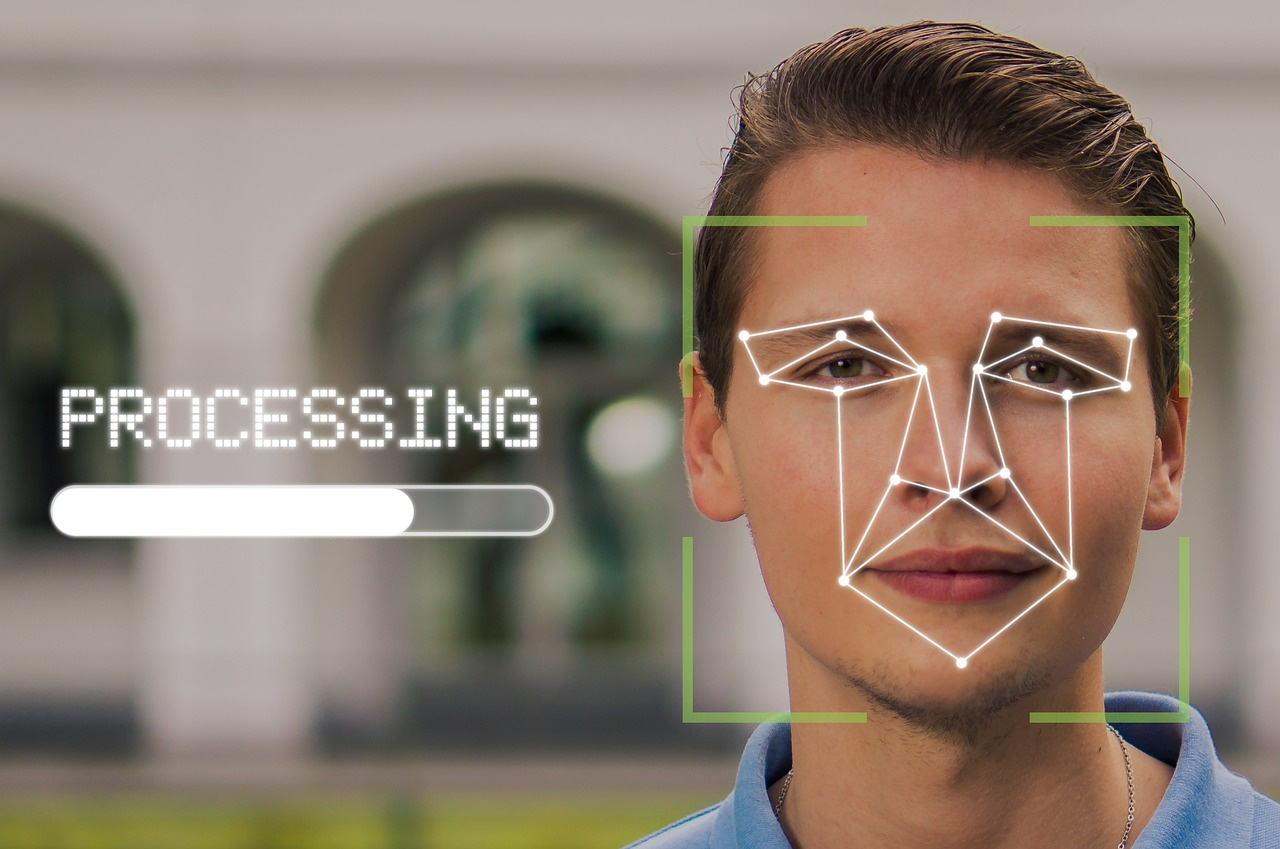
US: Legislative Stagnation In the United States, efforts to halt government use of biometric surveillance continue to face hurdles. Rep. Ayanna Pressley and Sen. Edward Markey reintroduced legislation to ban federal use of facial recognition, citing increased use by ICE and CBP against immigrant communities. While Virginia’s new law requiring warrants for facial recognition took effect in July 2026, federal preemption issues and a lack of comprehensive national standards leave a patchwork of local restrictions.
Analysis
The most significant civil liberties development this week is the divergence between regulatory frameworks in Australia and the UK. Western Australia’s trial demonstrates the operational reality of mass scanning—high volume with low precision (nine false alerts per million)—yet proceeds without explicit legislative bans. Conversely, the UK’s expansion into civil immigration offenses highlights a trend where executive agencies deploy surveillance tools faster than legislatures can regulate them. The absence of a "parliamentary vote" for the Hampshire deployments underscores a growing gap between technological capability and democratic oversight.
Rights Action
- Stay Informed: Monitor local police department reports for facial recognition usage. Some jurisdictions, like those adhering to Virginia’s July 2026 law, require public reporting on every deployment.
- Support Advocacy: Organizations like EPIC and Beyond Tomorrow continue to track state-level bans and federal moratoriums, providing resources for those wishing to oppose biometric surveillance expansion.
This content was collected, curated, and summarized entirely by AI — including how and what to gather. It may contain inaccuracies. Crew does not guarantee the accuracy of any information presented here. Always verify facts on your own before acting on them. Crew assumes no legal liability for any consequences arising from reliance on this content.
Powered by
