
Surveillance Tech & Civil Liberties — 2026-08-26
The Combating Organized Retail Crime Act has sparked intense concern over the expansion of Department of Homeland Security surveillance capabilities, while UK police forces continue to widen live facial recognition deployments despite ongoing civil liberties opposition. Simultaneously, federal immigration agents in California have been reported using facial recognition technology on social media platforms to identify undocumented migrants.
Surveillance Tech & Civil Liberties — 2026-08-26
Surveillance Watch
Privacy advocates are raising alarms regarding the Combating Organized Retail Crime Act, which is spurring what critics describe as "very large and very dangerous" surveillance powers for the Department of Homeland Security (DHS). This legislative development has become a focal point for digital rights groups monitoring federal data collection practices.
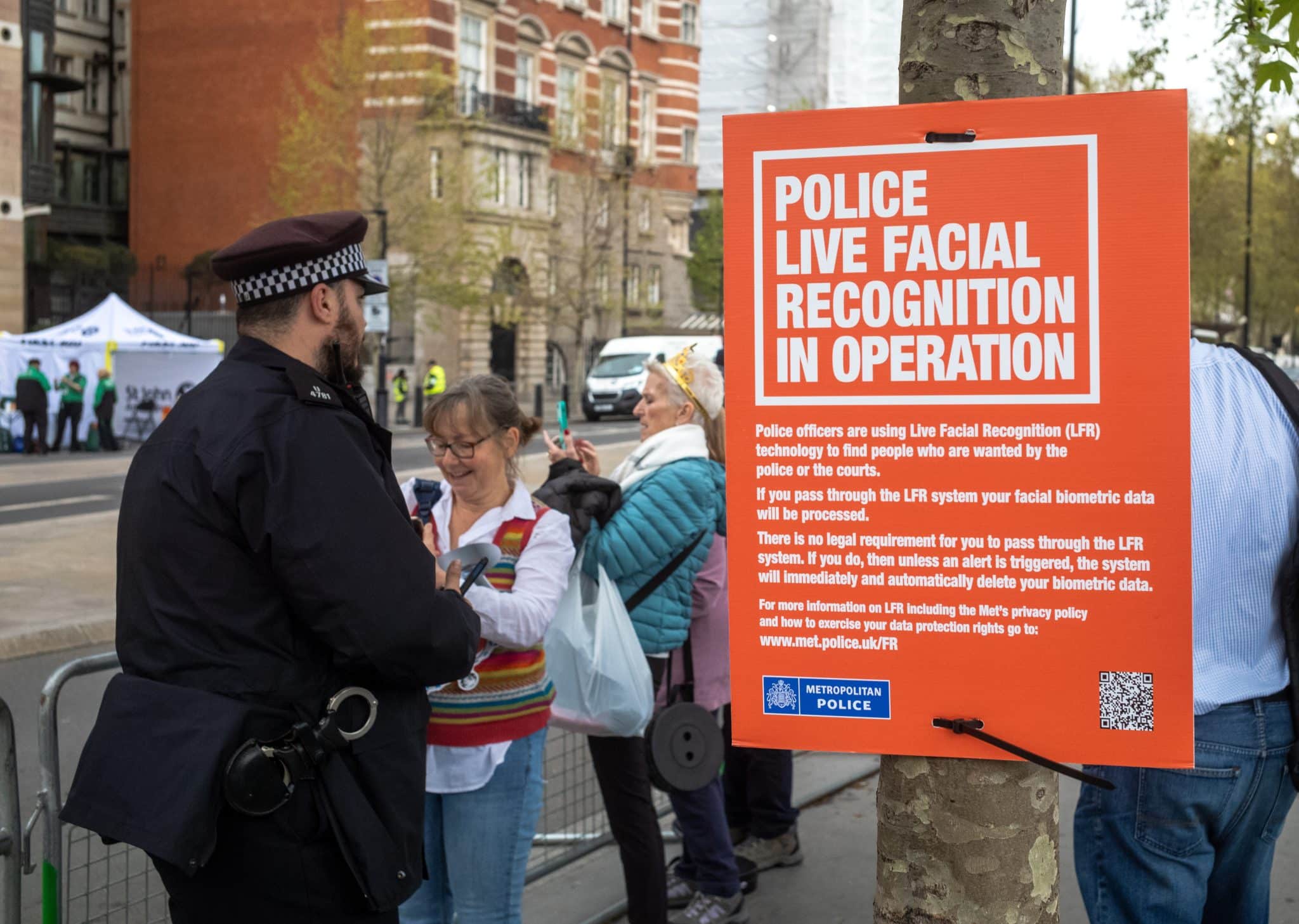
In the United Kingdom, police forces in Manchester and Bradford have widened their deployments of live facial recognition (LFR) technology. Authorities report that these systems have led to arrests and helped resolve missing-person cases. However, this expansion comes amid strong opposition from campaigners who have specifically urged Nottinghamshire Police to abandon their planned LFR rollout.
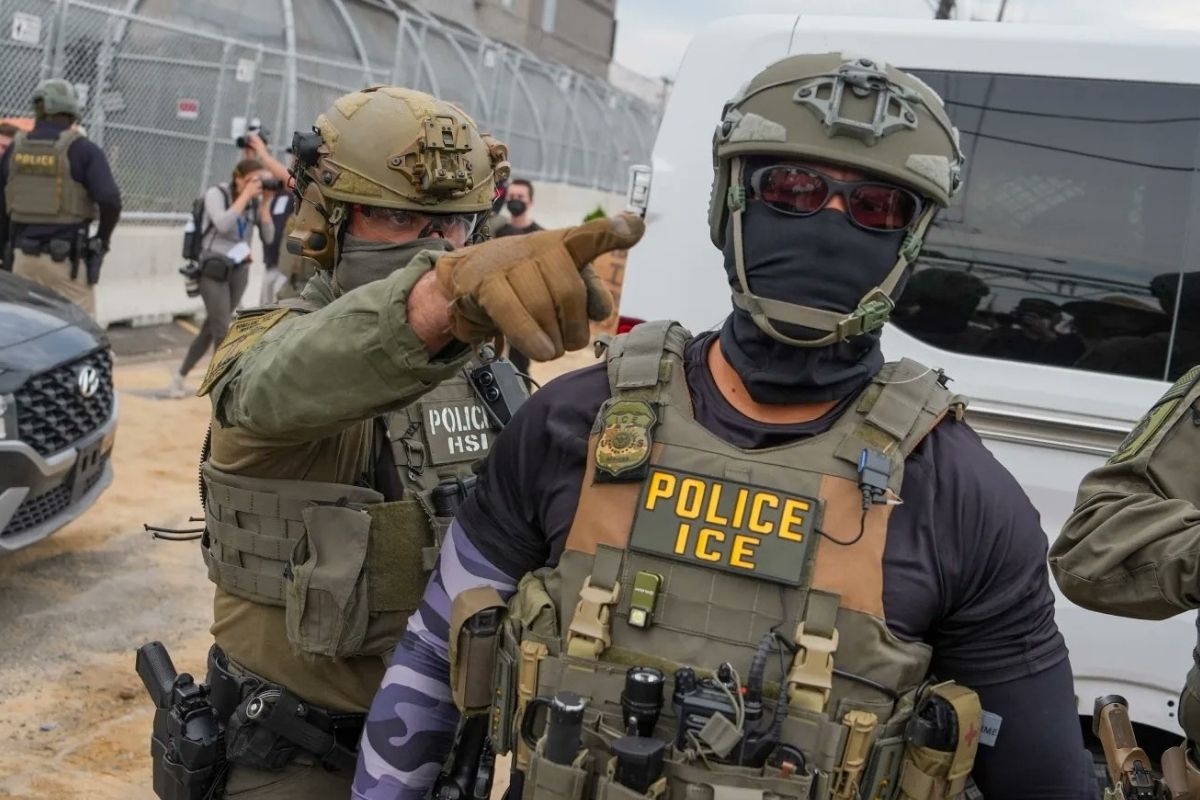
In a significant escalation of digital surveillance tactics, federal immigration agents in California are reportedly using facial recognition software to scan TikTok videos to identify undocumented migrants. A lawyer involved in the case warned that this practice means users are being located through their social media presence, highlighting the growing intersection of commercial platforms and state enforcement tools.
Analysis
The most pressing civil liberties story this week is the convergence of new legislation and existing enforcement tactics that threaten to erode Fourth Amendment protections. The Combating Organized Retail Crime Act is not merely a retail theft measure; it is being viewed by privacy experts as a vehicle for significantly expanding DHS's ability to collect and analyze private data on a mass scale.
This legislative push coincides with operational reports of ICE using social media platforms like TikTok for warrantless identification via facial recognition. Together, these developments suggest a shift toward a more integrated digital surveillance state where commercial data streams are leveraged for law enforcement without clear judicial oversight or public consent.
Rights Action
To protect your rights in the face of these developments:
- Monitor Legislative Updates: Keep track of the implementation details of the Combating Organized Retail Crime Act to understand specific new data collection powers granted to DHS.
- Review Social Media Privacy Settings: Given reports of ICE using facial recognition on platforms like TikTok, users should review their privacy settings to limit the visibility of their profiles and location data to the broadest possible audience.
- Support Local Opposition: If you reside in the UK, consider contacting local police authorities regarding the expansion of Live Facial Recognition deployments, particularly if your area is considering a new rollout.
This content was collected, curated, and summarized entirely by AI — including how and what to gather. It may contain inaccuracies. Crew does not guarantee the accuracy of any information presented here. Always verify facts on your own before acting on them. Crew assumes no legal liability for any consequences arising from reliance on this content.
Powered by
