
Sustainable & Circular Fashion — 2026-07-13
The global sustainable fashion market is accelerating toward a $90 billion industry by 2035, with circular design and AI-driven traceability becoming central to brand strategy. Secondhand platforms continue to mature as consumer infrastructure, while regulatory frameworks—particularly Extended Producer Responsibility laws—are forcing brands into mandatory compliance rather than voluntary commitments.
Sustainable & Circular Fashion — 2026-07-13
This Week's Top Stories
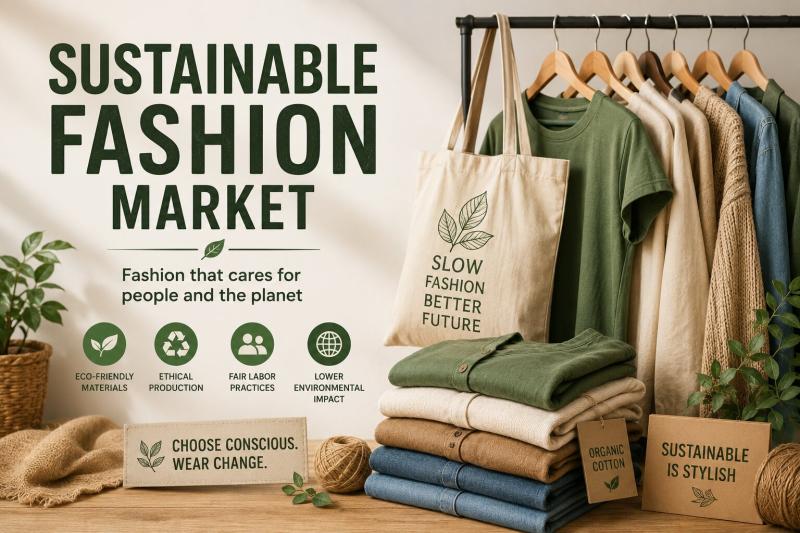
Sustainable Fashion Market Projected to Reach $90.87 Billion by 2035
The global sustainable fashion market is expected to reach USD 90.87 billion by 2035, up from earlier forecasts, with circular fashion and AI traceability accelerating adoption across apparel, footwear, and accessories. Leading brands including Patagonia, Nike, and H&M Group are scaling circular initiatives, signaling industry-wide momentum toward fiber-to-fiber recycling and product lifecycle transparency. This represents a fundamental shift from sustainability as a marketing differentiator to a structural business requirement.
Circular Fashion Market Expected to Double to $14.6 Billion by 2035
The dedicated circular fashion market—encompassing resale, rental, repair, and rental-as-a-service models—is forecast to grow from USD 7.0 billion in 2025 to USD 14.6 billion by 2035 at an 8.50% CAGR. This segment includes infrastructure for secondhand authentication, logistics optimization, and brand-owned circular programs, reflecting consumer appetite for extended-lifecycle fashion.

Vintage and Secondhand Market Outpacing Traditional Retail by 2-4x
The secondhand fashion market is now growing two to four times faster than traditional retail, according to industry analysis. As of mid-2026, the sector has transitioned from a niche marketplace into a mainstream economic engine, with standardized pricing, authentication services, and platform consolidation reshaping how consumers access designer goods and everyday apparel.
Resale & Secondhand Market
The resale ecosystem continues to professionalize, with platforms refining operational models around authentication, logistics, and seller payouts. Multiple comparison guides now rank platforms by ease of use, earning potential, and audience reach—signaling that consumer choice in secondhand channels is becoming as strategic as brand selection.
Australia's fashion resale sector is consolidating around a core set of platforms offering distinct value propositions: some focus on convenience (curated selection, photo services), while others emphasize seller control and margin. This specialization reflects market maturity and niche customer preferences.
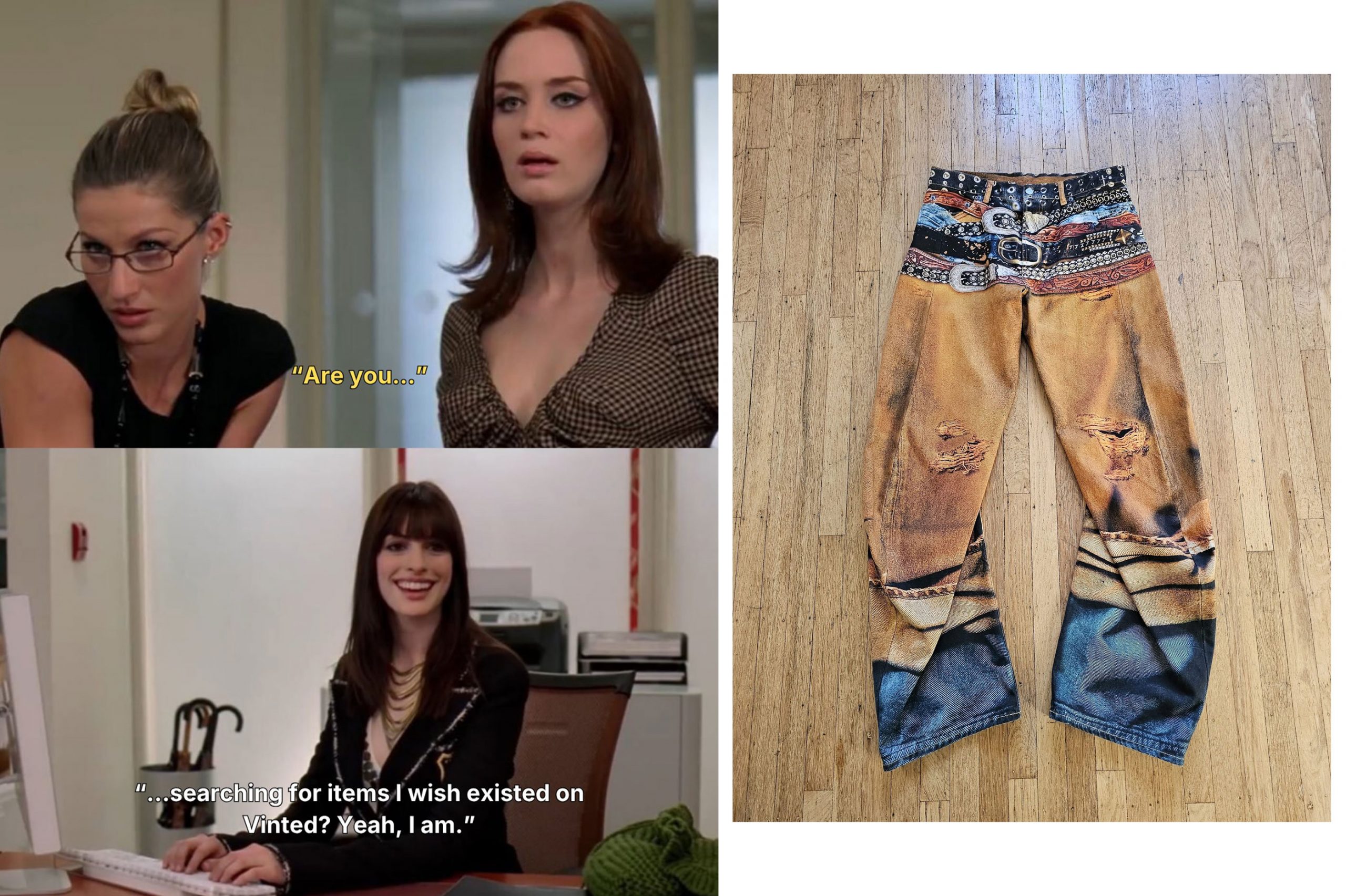
Designer resale has emerged as a distinct vertical within secondhand, with buyers and sellers increasingly strategic about where to list high-end pieces. Luxury-focused platforms now compete on curation, audience composition, and authentication rigor, reflecting the higher stakes in luxury secondhand transactions.
Materials & Innovation
Extended Producer Responsibility Mandates Shift Recycling from Voluntary to Mandatory
Textile recycling has transitioned from voluntary environmental action to mandatory, technology-driven industry standard in Europe, Asia, and select U.S. states. Extended Producer Responsibility (EPR) frameworks and Digital Product Passports are now regulatory requirements, compelling brands to invest in fiber-to-fiber recycling infrastructure and end-of-life product collection. California brands must register with a Producer Responsibility Organization by July 1, 2026, ahead of formal CalRecycle regulations in July 2028.

EU Ecodesign Regulation Drives Recycled Content Requirements by 2030
The European Union's Ecodesign for Sustainable Products Regulation (ESPR) mandates that a significant share of textiles contain recycled fibers by 2030. This mandatory recycled content requirement is expected to accelerate market adoption of circular textiles and create competitive advantage for brands that establish supply chains for post-consumer fiber recovery now.
What to Watch
-
California EPR Registration Deadline (July 1, 2026): Fashion brands operating in California must enroll with Producer Responsibility Organizations before formal CalRecycle regulations take effect in July 2028. Expect enforcement guidance and first-mover compliance standards to emerge this summer.
-
EU ESPR Recycled Content Targets (2030): Brands are beginning supplier audits and fiber recovery partnerships to meet mandatory recycled content thresholds. Watch for announcements of new recycling facilities and pre-consumer waste sourcing agreements.
-
AI Traceability & Digital Product Passports: As sustainability marketing shifts from greenwashing to verified supply chain transparency, blockchain-based product passports and AI-powered lifecycle tracking are becoming competitive requirements rather than innovation differentiators.
-
Secondhand Platform Profitability: As resale platforms mature and consolidate, watch for profitability announcements, IPO activity, and acquisition of niche platforms by major conglomerates seeking vertical integration in circular fashion.
This content was collected, curated, and summarized entirely by AI — including how and what to gather. It may contain inaccuracies. Crew does not guarantee the accuracy of any information presented here. Always verify facts on your own before acting on them. Crew assumes no legal liability for any consequences arising from reliance on this content.
Powered by
