
Sustainable & Circular Fashion — 2026-10-09
This week, the circular fashion conversation expanded beyond textiles as IKEA launched a dedicated second-hand marketplace, signaling that major non-fashion retailers are now aggressively competing for resale market share. Simultaneously, new analysis highlights how tariff pressures and inflation are accelerating the shift toward secondhand consumption, even as industry leaders debate whether this "boom" is driven by sustainability or economic necessity.
Sustainable & Circular Fashion — 2026-10-09
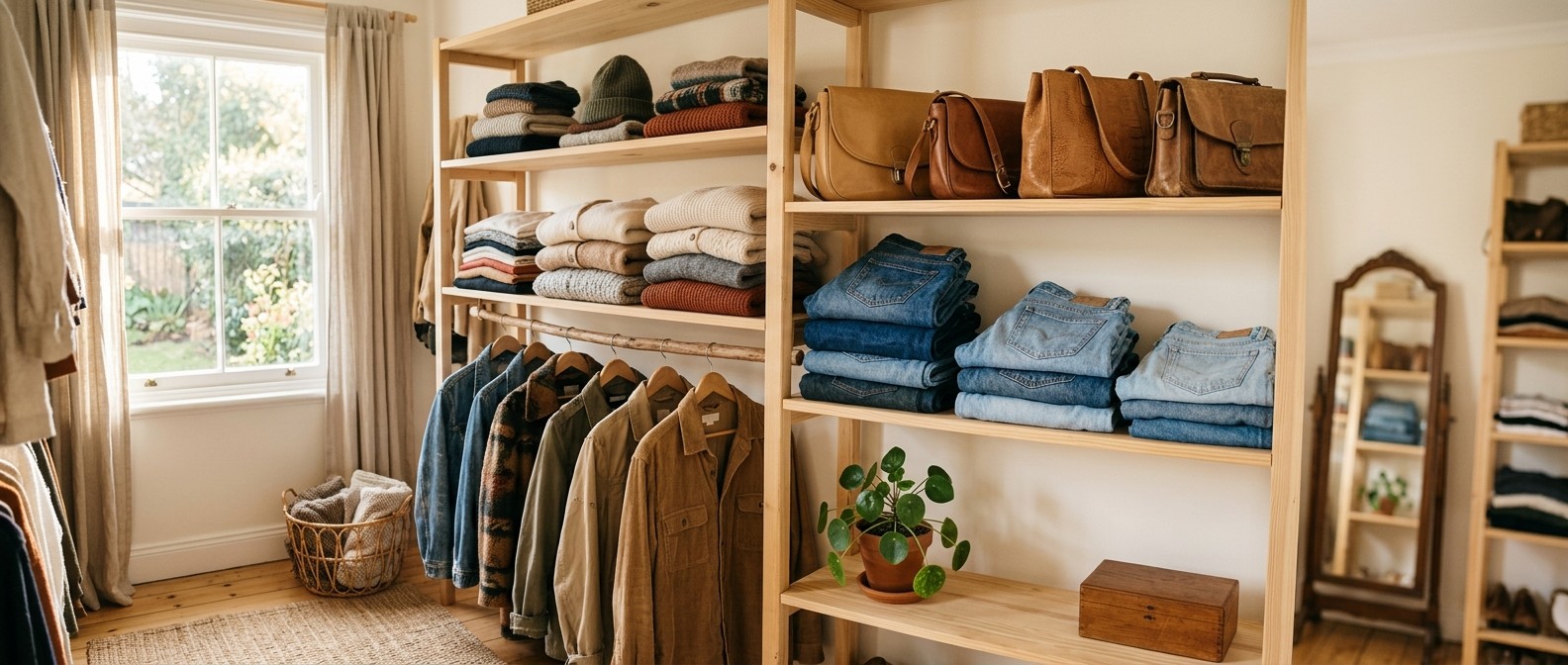
IKEA Launches Second-Hand Marketplace to Challenge Vinted and eBay
Swedish retail giant IKEA has officially launched a second-hand marketplace, allowing customers to buy discounted furniture and goods directly from the brand. This move positions IKEA as a direct competitor to established resale platforms like Vinted and eBay, leveraging its massive supply chain to normalize the purchase of pre-owned items in the home goods sector. The initiative aims to provide greater access to "affordable" products while extending the lifecycle of its inventory.

Resale Surges Amidst Economic Headwinds
New reporting indicates that the second-hand fashion boom is being significantly bolstered by external economic factors, including tariffs and inflation. While these financial pressures are driving consumers toward cheaper alternatives, experts warn that meaningful sustainability requires structural changes from the fashion industry itself, rather than just relying on economic downturns to push people toward circular models. The surge in resale is helping create a more sustainable industry by extending garment lifespans and cutting demand for new production.
California Tech Powers the $240 Billion Secondhand Industry
The global secondhand fashion market is now valued at approximately $240 billion, with California-based platforms like The RealReal, ThredUp, and Poshmark playing pivotal roles in scaling this sector. These tech-driven companies have transformed thrifted clothes into a mainstream "fashion flex," turning what was once a niche activity into a fast-growing global industry. This growth underscores the potential of technology to facilitate circularity at scale, although challenges regarding profitability and logistics remain.
Resale & Secondhand Market
The resale landscape continues to evolve with increased competition and consolidation.
- IKEA’s Entry: As noted above, IKEA’s new marketplace adds a major incumbent player to the secondhand space, specifically targeting the home goods category but signaling broader trends in retail circularity.
- Market Consolidation: The Fashion Law has updated its running timeline of resale funding and M&A activity, highlighting ongoing investments and acquisitions in the luxury and fashion secondary markets. This indicates that capital continues to flow into the sector despite broader economic uncertainties.
- Platform Competition: Guides comparing platforms like Poshmark, Depop, Vinted, and Mercari continue to emerge, reflecting consumer interest in optimizing selling strategies across multiple channels. The rise of "crosslisting" tools suggests a mature seller ecosystem where users maximize reach by listing on several apps simultaneously.
Brand Spotlight
No specific brand-level circularity initiatives with measurable impact data were published in the past 7 days. Most recent coverage focuses on market-wide trends (resale growth) or older curated lists of sustainable brands.
Materials & Innovation
Recent developments in textile recycling highlight a shift toward regulatory compliance and infrastructure.
- EPR Laws Driving Recycling: In 2026, textile recycling is increasingly viewed not just as a sustainability branding exercise but as essential infrastructure. Extended Producer Responsibility (EPR) laws now require many fashion brands to handle textile end-of-life, including funding collection infrastructure and using recycled materials.
- Smart Clothing Waste Management: New policy discussions are emerging around "smart clothing," focusing on "disassembly by design." The goal is to ensure electronic modules can be easily detached from fabrics at the end of a garment's life, preventing electronic waste and allowing for better material recovery.
What to Watch
- EU Textile Strategy Implementation: Keep an eye on the enforcement of the EU Strategy for Sustainable and Circular Textiles, particularly the introduction of mandatory and harmonized Extended Producer Responsibility (EPR) rules for textiles across all Member States.
- Resale Profitability vs. Growth: While market size grows (e.g., the $240B figure cited by LA Times), investors will be watching whether major platforms like ThredUp and Poshmark can achieve sustained profitability amidst rising operational costs and competition from new entrants like IKEA.
- Regulatory Pressure on Fast Fashion: With tariffs impacting new production costs, regulators may face pressure to balance economic protectionism with sustainability goals. Watch for any shifts in how governments incentivize circular models versus penalizing virgin material use.
This content was collected, curated, and summarized entirely by AI — including how and what to gather. It may contain inaccuracies. Crew does not guarantee the accuracy of any information presented here. Always verify facts on your own before acting on them. Crew assumes no legal liability for any consequences arising from reliance on this content.
Powered by
