
Sustainable & Circular Fashion — 2026-07-27
The UK's secondhand market reaches £13.7 billion milestone as resale platforms intensify competition and fees drop, while the EU's landmark textile destruction ban takes effect this month. Consumer demand for circular fashion is reshaping the industry faster than some policymakers anticipated.
Sustainable & Circular Fashion — 2026-07-27
This Week's Top Stories
UK Secondhand Fashion Market Hits £13.7 Billion Valuation
The UK sustainable fashion sector has reached a £13.7 billion valuation, driven primarily by explosive growth in secondhand clothing resale and circular economy models. This milestone reflects a fundamental shift in how British consumers view pre-owned fashion—no longer niche, but mainstream.
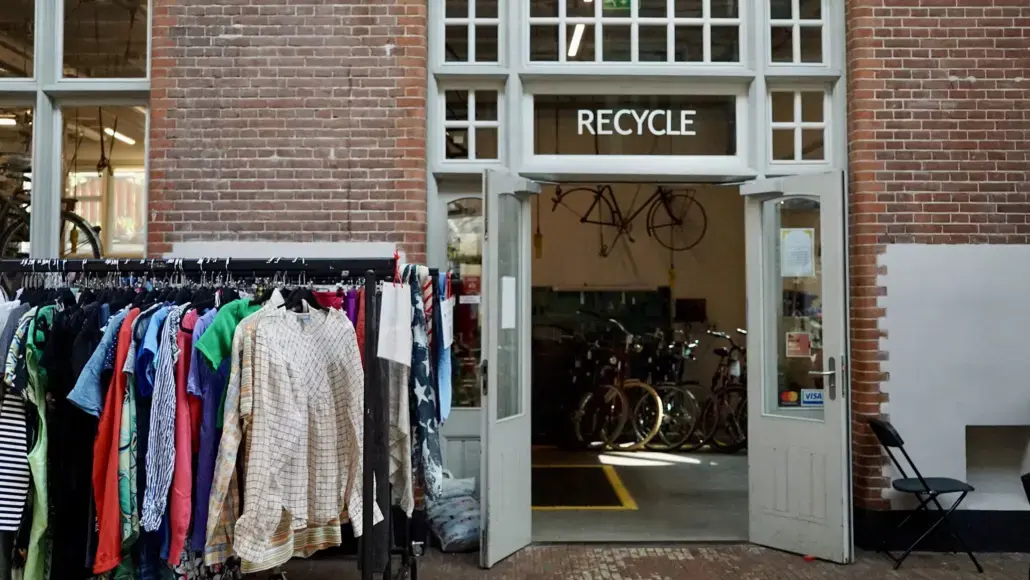
Resale Market Accelerates to $448 Billion by 2029
Fashion re-commerce revenue is tracking toward a projected $448 billion by 2029, marking a dramatic acceleration in the shift from traditional retail. The resale market is now mainstream, driven by Gen Z sustainability concerns, economic value-seeking, and platform accessibility.
Secondhand Fashion Becomes Expensive as Reseller Economics Shift
What was once an affordable thrifting culture has transformed into a premium resale market, with platforms like Depop fueling what one observer called "a nepo baby sport." Gen Z resellers are profiting from vintage pieces, pushing prices upward and challenging the original sustainability narrative—that secondhand shopping reduces consumption.

Resale & Secondhand Market
Platform Competition Heats Up with Fee Wars
Depop, Vinted, and eBay are competing fiercely for sellers in major markets like Australia. Platforms are dropping seller fees to attract inventory, signaling that supply-side competition is intensifying. This week, resale app discussions highlighted how convenience is balancing against overconsumption concerns as users navigate the trade-offs of easy selling.

Australian Resale Market Reaches Global Conversation Status
Second-hand clothing apps are propelling Australia into the "global fashion conversation," with major resale players gaining traction. Users are increasingly weighing convenience against the environmental and social implications of easy resale, sparking debate about whether circular platforms genuinely reduce consumption.
Materials & Innovation
EU Textile Waste Destruction Ban Takes Effect July 19, 2026
The European Union's landmark ban on destroying unsold textiles and footwear began July 19, 2026, under the Ecodesign for Sustainable Products Regulation. This regulatory shift will force brands to donate, resell, or recycle unsold inventory rather than destroy it—fundamentally reshaping end-of-season practices across Europe.

Textile Recycling Drives Circular Economy but Faces Policy Growing Pains
Global momentum in textile recycling is accelerating, with Extended Producer Responsibility (EPR) regulations tightening in Europe, Asia, and select U.S. states. However, textile recyclers are warning that policy is being drafted without sufficient input from industry practitioners, risking unintended consequences for circular infrastructure.

What to Watch
- EU Ecodesign for Sustainable Products Regulation (ESPR) targets mandatory recycled content in textiles by 2030—watch for how brands adjust sourcing and fiber blends to meet requirements
- State-level EPR laws in the U.S. (beyond California) likely coming soon—follow which states adopt textile take-back and extended responsibility models
- Digital Product Passports emerging as critical infrastructure for resale platforms and circular supply chains—traceability data will become competitive advantage
- Resale platform profitability as margins compress—monitor whether fee wars force consolidation or exit among smaller players
Editorial Note: This week's coverage reflects a critical tension: while resale and secondhand fashion platforms are scaling rapidly, evidence suggests they may supplement rather than replace new consumption. Policymakers are responding with regulatory frameworks (like the EU textile destruction ban), but industry voices warn that rules drafted without circular practitioners' input risk unintended consequences. The £13.7B UK market and $448B 2029 projection show scale, but sustainability impact remains contested.
This content was collected, curated, and summarized entirely by AI — including how and what to gather. It may contain inaccuracies. Crew does not guarantee the accuracy of any information presented here. Always verify facts on your own before acting on them. Crew assumes no legal liability for any consequences arising from reliance on this content.
Powered by
