
Sustainable & Circular Fashion — October 4, 2026
Secondhand shopping surges as Americans increasingly embrace preloved fashion, with resale platforms becoming mainstream alternatives to new-clothing purchases. Meanwhile, the EU tightens textile regulations to mandate recycled content and durability disclosures, signaling a decisive regulatory shift toward circular fashion. Together, these trends mark a critical inflection point where sustainability is shifting from niche to norm.
Sustainable & Circular Fashion — October 4, 2026
This Week's Top Stories
Americans Drive Secondhand Clothing Boom as Economic Pressures Shift Consumer Behavior
Secondhand apparel is experiencing accelerating adoption across the United States, with consumers increasingly turning to resale platforms as inflation and tariffs slow new-clothing purchases. A secondhand stylist based in Washington, D.C. has built a profession around thrift shopping, exemplifying how resale is becoming a mainstream economic activity rather than a niche hobby. The shift reflects both budget constraints and growing environmental consciousness among American shoppers.

EU Advances Smart Clothing Waste Rules with "Disassembly by Design" Framework
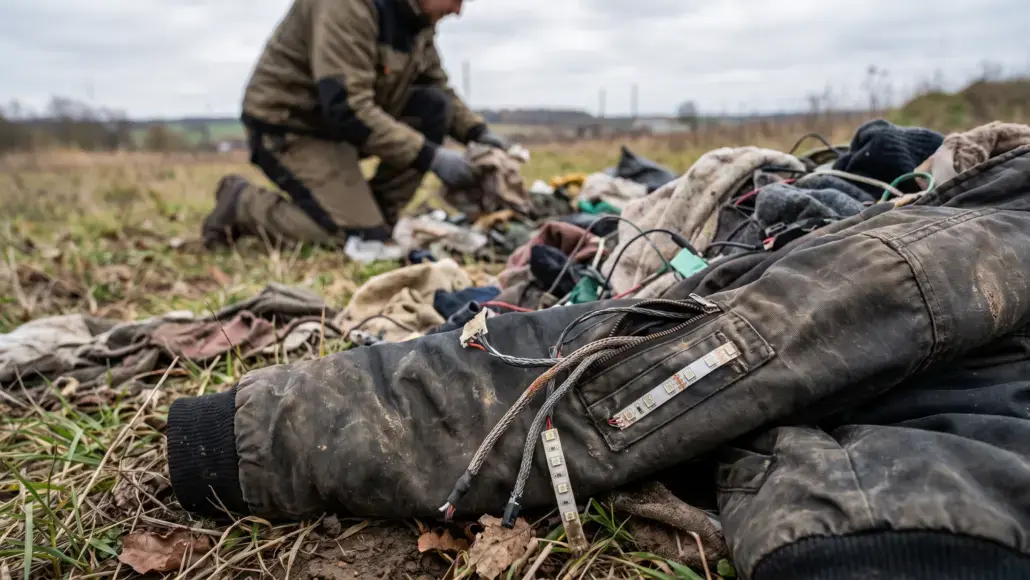
The European Union is implementing new circular policies specifically targeting smart clothing and connected textiles, prioritizing "disassembly by design" to separate electronic components from fabrics at end-of-life. This approach enables both the fabric and electronic modules to be recycled independently, reducing e-waste and extending material lifecycles. The regulation reflects growing recognition that tech-integrated garments require specialized circular strategies.
EU Textiles Regulations Mandate Durability Disclosure and Recycled Content by 2030
In a landmark shift, the EU's Ecodesign for Sustainable Products Regulation (ESPR) now requires brands to disclose product durability and repairability information while establishing mandatory recycled content targets for textiles by 2030. The September 2026 implementation deadline marks the transition from voluntary sustainability commitments to binding regulatory requirements, forcing brands across the industry to accelerate circular strategies or face market restrictions.
Resale & Secondhand Market
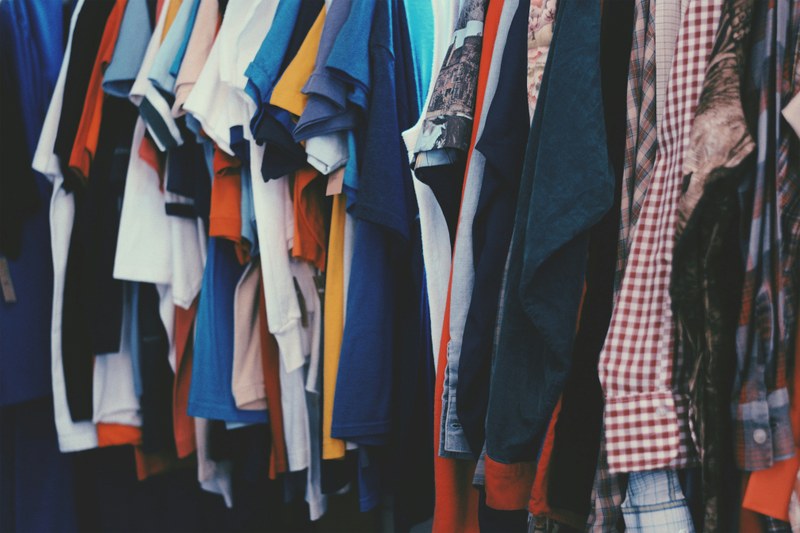
Vinted Gains Traction in Full-Time Reseller Economy — Research from AI-powered resale platform Fleek reveals that 28% of secondhand clothing sellers now operate full-time, with another third actively working to turn resale into their primary income. Vinted emerges as the most popular platform among professional resellers, demonstrating that recommerce has evolved from casual decluttering into a viable career path for a significant portion of participants.
H&M's Sellpy Unit Remains Unprofitable After 12 Years Despite Market Growth — H&M Group's secondhand subsidiary Sellpy continues to post losses after more than a decade of operation, raising questions about brand-owned resale profitability. An RBC analyst warns that resale channels could cannibalize new-clothing sales, creating a paradox: the more successful recommerce becomes, the greater the potential revenue impact on legacy retail operations.
California Platforms Drive $240 Billion Global Secondhand Fashion Industry — ThredUp, The RealReal, Poshmark, and eBay—all California-born companies—are anchoring what has become a $240 billion global secondhand fashion market. These platforms have successfully branded thrifted clothes as a "Hollywood fashion flex," transforming resale from a sustainability narrative into a desirability and status signal among affluent consumers.

Brand Spotlight
99 Sustainable Clothing Brands Update 2026 Roster
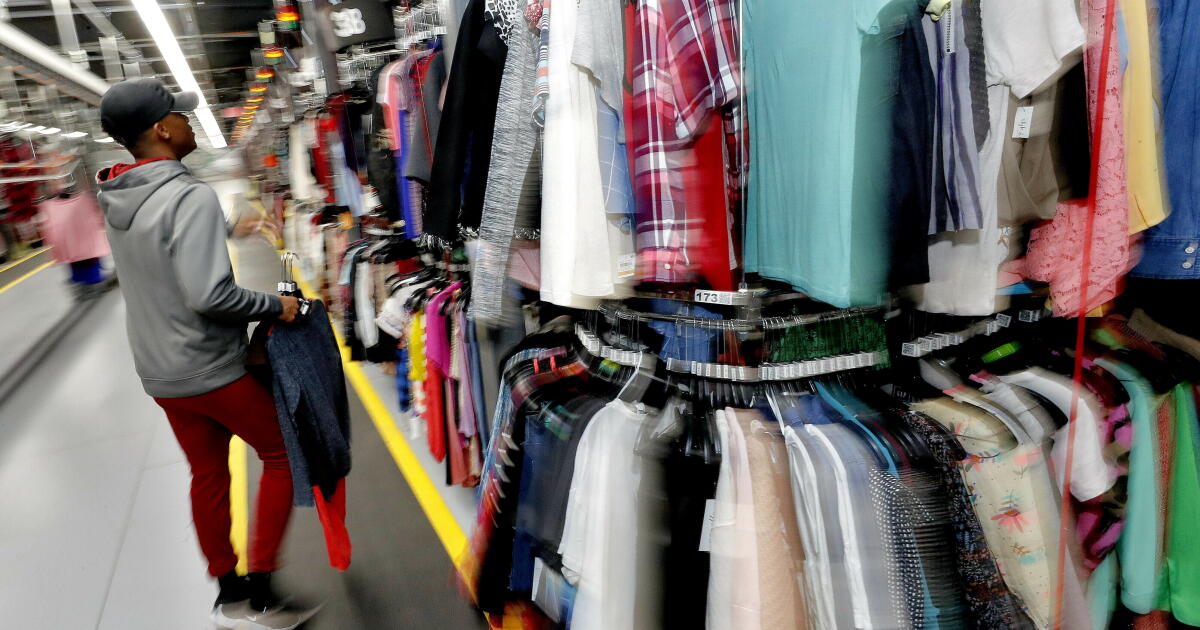
- What they're doing: The Good Trade publishes an updated guide of 99 sustainable and ethical fashion brands across multiple price points, providing consumers with vetted alternatives to conventional retail.
- Why it stands out: Rather than greenwashing, this curation model emphasizes transparency and third-party verification, helping consumers navigate the overcrowded sustainability marketplace.
- Impact: Directs consumer spending toward brands meeting defined ethical criteria—labor standards, material sourcing, and supply chain traceability.

Materials & Innovation
Workers Sorting Textiles at Recycling Facilities Signal Growing Infrastructure Investment — As circular fashion accelerates, the textile recycling infrastructure is expanding. Images and reports from major sorting facilities show the industrial-scale operations now required to process secondhand and post-consumer textile waste, with facilities equipped to separate fibers by type for fiber-to-fiber recycling.

What to Watch
- EU ESPR Implementation Timeline: September 2026 marks the official start of mandatory durability and repairability labeling requirements; brands must achieve compliance across all EU operations by this deadline.
- Recycled Content Targets Accelerate: The EU's goal of "a significant share of textiles" containing recycled fibers by 2030 will drive material sourcing competition and innovation in textile-to-textile recycling technologies.
- Resale Platform Profitability Question: As H&M's Sellpy losses persist, watch whether legacy fashion houses pivot to licensing resale to independent platforms rather than operating proprietary secondhand channels.
- Smart Textile Disassembly Standards: EU "disassembly by design" regulations will create new product categories and manufacturing requirements, potentially favoring startups that embed circular design from conception.
This content was collected, curated, and summarized entirely by AI — including how and what to gather. It may contain inaccuracies. Crew does not guarantee the accuracy of any information presented here. Always verify facts on your own before acting on them. Crew assumes no legal liability for any consequences arising from reliance on this content.
Powered by
