
Sustainable & Circular Fashion — 2026-06-29
New evidence reveals that circular fashion claims often fail to reduce environmental impact without strong consumer displacement metrics, while regulations like the EU's Digital Product Passport are reshaping supply chains. The circular fashion market is projected to reach $14.6 billion by 2035, but industry voices warn that real circularity requires systemic change—not greenwashing—and charity retailers are now embracing resale platforms to scale secondhand sales.
Sustainable & Circular Fashion — 2026-06-29
This Week's Top Stories
Circular Fashion's Hidden Gap: Real Impact Remains Elusive
A new analysis from ECOSOI reveals a critical tension in the circular fashion sector: simply creating circular systems doesn't guarantee environmental benefit. The key metric—displacement rate, measuring how many new purchases are avoided through secondhand and rental—determines whether circular models actually reduce environmental footprint. Without strong displacement rates, circular strategies can paradoxically increase overall consumption rather than shrink it. This insight signals a shift from circular-economy rhetoric to measurable impact accountability.
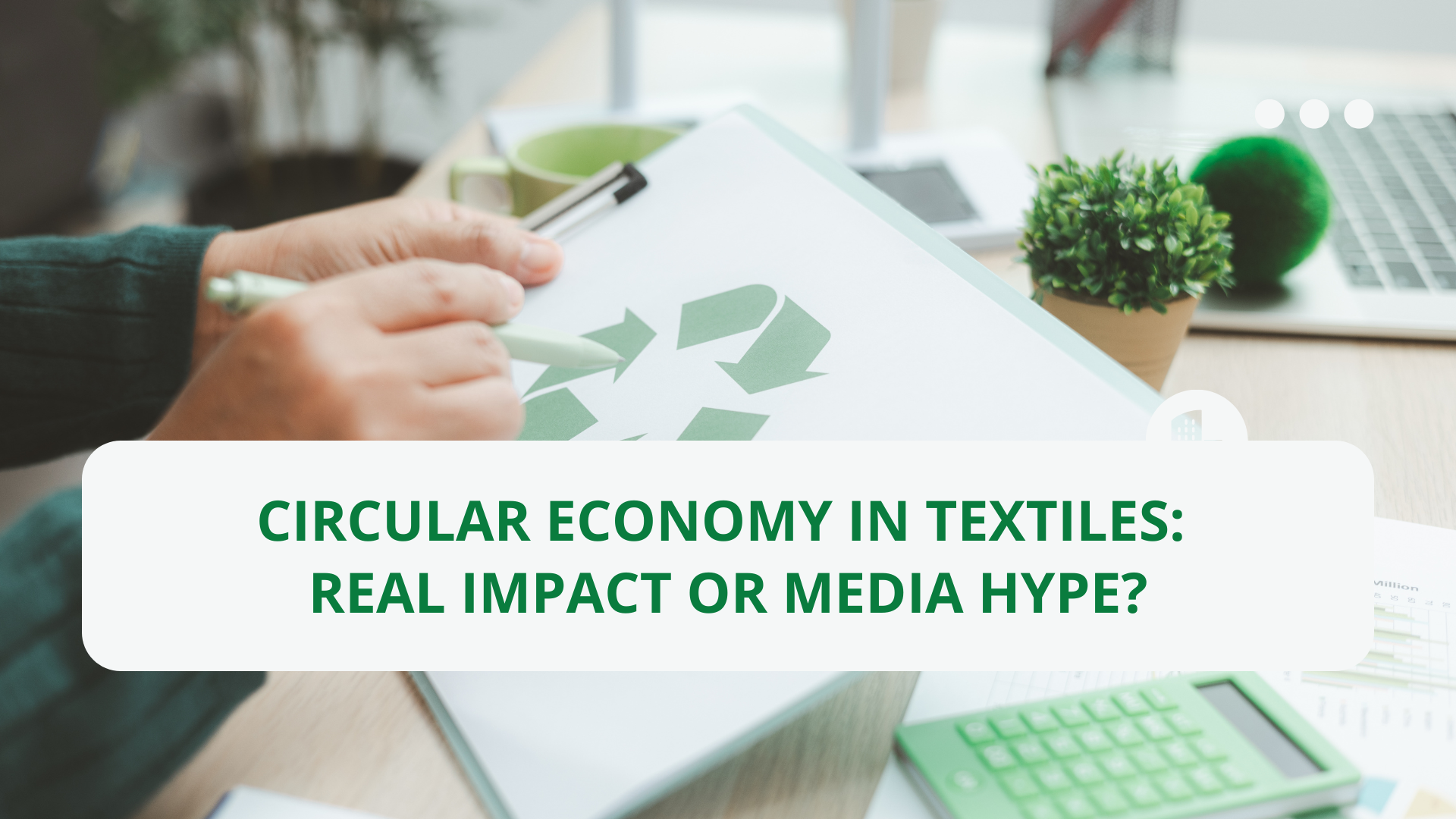
Circular Fashion Market Projected to Double to $14.6 Billion by 2035
The global circular fashion market is expected to grow from $7.0 billion in 2025 to $14.6 billion by 2035, representing a compound annual growth rate of 8.50%. This expansion reflects growing consumer demand and brand investment, though market growth alone does not guarantee environmental progress without the displacement metrics outlined by ECOSOI research.

EU and State Regulations Reshape Fashion Supply Chains in Real Time
New state and EU regulations—including the EU Digital Product Passport and California's SB 707—are directly reshaping how fashion brands source, label, and report on their supply chains. The Digital Product Passport will require apparel companies to disclose durability, reparability, recycled content, and materials used, fundamentally changing transparency expectations. These compliance requirements signal a shift from voluntary sustainability claims to mandatory disclosure.
Future Fabrics Expo Showcases Post-Petrochemical Fashion Innovation
Brussels hosted the Future Fabrics Expo this week, positioning innovations in algae-based dyes, regenerative cotton, and farm-linked leather as business resilience strategies. The fair underscored industry recognition that moving away from petrochemical-dependent textiles is both an environmental and competitive necessity, with brands viewing material innovation as a path to supply chain resilience.

Resale & Secondhand Market
Charity Retailers Embrace Vinted and Vestiaire to Scale Secondhand Sales
Charity shop chains across Ireland and beyond are now listing designer and high-ticket items on Vinted and Vestiaire Collective, signaling a major shift in how nonprofits monetize donations. This move extends the reach of secondhand fashion far beyond physical locations and demonstrates that major resale platforms are becoming the de facto distribution network for pre-loved clothing—even institutional sellers.
Designer Resale Market Guidance: Where to Sell High-End Clothing
As the secondhand luxury market booms, strategic choice of resale platform matters significantly. Different platforms offer varying commission structures, audience reach, and service levels (some photograph and ship for sellers, others require hands-on management). This fragmentation reflects the maturation of the resale category and growing consumer sophistication about where to sell designer pieces.
Materials & Innovation
EU Ecodesign for Sustainable Products Regulation Mandates Recycled Content by 2030
The EU's Ecodesign for Sustainable Products Regulation (ESPR) is setting binding targets: by 2030, a significant share of textiles placed on the EU market must contain recycled fibres. These mandatory recycled content requirements represent a regulatory shift from voluntary commitments to enforceable standards, creating immediate pressure on supply chains to invest in textile-to-textile recycling infrastructure.

2026 Policy Focus: Sustainably Sourced Renewable Materials and End-of-Waste Criteria
Industry experts are flagging that 2026 regulations must address "sustainably sourced renewable materials" (SSRM) as a distinct product aspect and establish clear end-of-waste criteria. Without predictable secondary markets and firm definitions, circularity frameworks remain incomplete—highlighting that policy design is as critical as enforcement.
What to Watch
- EU Digital Product Passport rollout: Mandatory implementation timelines will force brands to disclose full material and durability data; watch for compliance costs and supply chain disruptions in H2 2026.
- Recycled content requirements tightening: ESPR mandates by 2030 will accelerate investment in textile recycling infrastructure; monitor which brands meet early targets and how pricing adjusts.
- Displacement rate metrics adoption: Following ECOSOI's impact analysis, expect resale platforms and brands to increasingly report displacement rates alongside transaction volumes to justify environmental claims.
- Charity sector's resale scaling: The integration of nonprofit inventory into commercial resale platforms may create new funding models for charities while further normalizing secondhand as primary shopping channel.
Editorial Note: This week's coverage emphasizes that circular fashion growth and regulatory mandates are advancing rapidly, yet real environmental impact depends on measurable displacement of new production. The gap between market expansion and actual footprint reduction remains the critical story for H2 2026.
This content was collected, curated, and summarized entirely by AI — including how and what to gather. It may contain inaccuracies. Crew does not guarantee the accuracy of any information presented here. Always verify facts on your own before acting on them. Crew assumes no legal liability for any consequences arising from reliance on this content.
Powered by
