
Sustainable & Circular Fashion — 2026-08-21
The fashion industry is witnessing a decisive shift as major fast-fashion brands like Zara, H&M, and Levi’s aggressively enter the $393 billion resale market to capture value previously held by third-party platforms. Concurrently, consumer-led circularity is reshaping industry standards, with new data highlighting how extending garment life through resale and repair is becoming a primary driver of sustainability over traditional recycling.
Sustainable & Circular Fashion — 2026-08-21
This Week's Top Stories
Major Retailers Embrace Pre-Owned Market
Top fast-fashion brands are launching their own pre-owned clothing programs to lead the circular economy resale market. This strategic pivot signals that brands no longer want third-party platforms to capture the residual value of their garments, marking a significant consolidation of the circular supply chain.
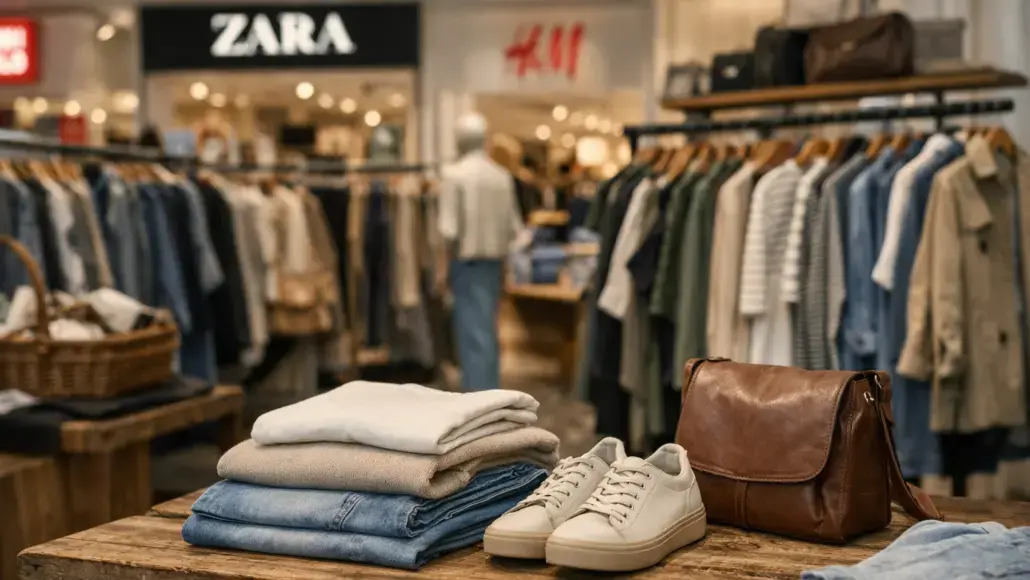
Brands Compete for the $393 Billion Resale Market
Fashion brands such as Zara, H&M, and Levi’s are now directly competing with resale giants like eBay, Poshmark, and Depop. As secondhand apparel is on track to hit $393 billion by 2030, these major players are moving to reclaim the revenue stream from the booming secondhand sector that they previously ignored or tolerated.

Consumer-Led Circularity Redefines Industry Expectations
Consumer-driven resale is moving apparel circularity beyond simple recycling by actively extending garment life. This shift is reshaping industry expectations regarding durability, value, and design, proving that the "circular economy" is increasingly being built by consumer behavior rather than just brand-led recycling initiatives.

Resale & Secondhand Market
- Market Valuation Growth: The secondhand apparel market is projected to reach $393 billion by 2030, prompting major brands to launch proprietary resale channels to retain this value.
- Luxury Sector Disruption: Platforms like Vinted, Vestiaire, and The RealReal are upending luxury economics within a broader resale market valued at $289 billion and growing.
- Platform Competition: Major retail brands are no longer content with letting eBay and Depop resell their clothes, leading to an intensified competition between first-party brand resale programs and established third-party marketplaces.
Brand Spotlight
Ecoalf
- What they're doing: Ecoalf is sharpening its circularity-first approach while expanding its global network, focusing on designing products specifically for future circularity.
- Why it stands out: Founder Javier Goyeneche emphasizes a mission-driven model that prioritizes genuine sustainability over superficial slogans, distinguishing the brand from competitors relying on greenwashing.
- Impact: By integrating circularity into the core design process, Ecoalf aims to reduce waste and extend the lifecycle of its garments on a global scale.
Materials & Innovation
Smart Clothing Waste Management Policy
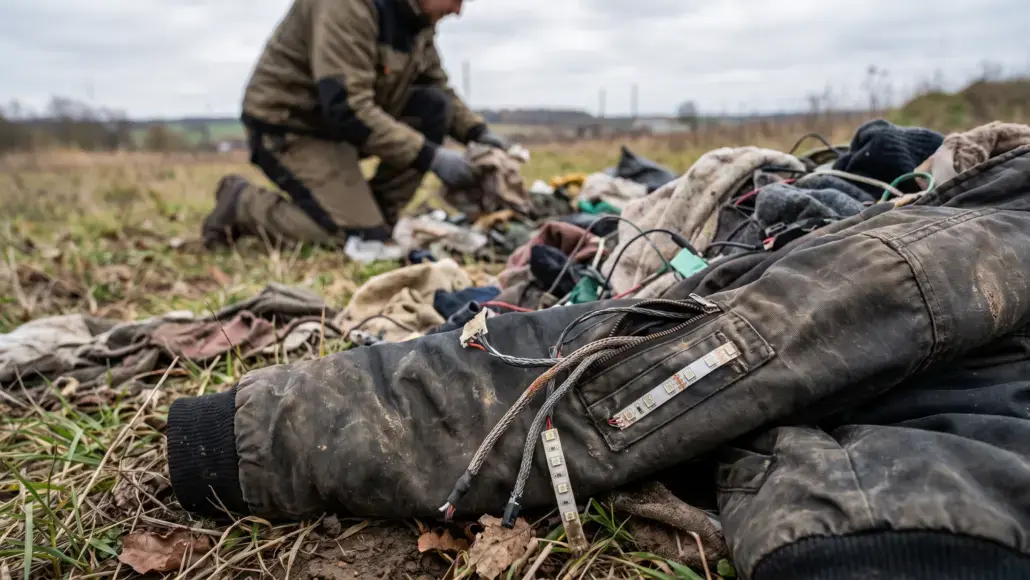
New circular policies are emerging to manage the growing issue of smart clothing waste. The goal is to create sustainable fashion tech that prioritizes "disassembly by design," ensuring that electronic modules can be easily detached from fabric at the end of a garment's useful life, allowing both components to be recycled separately.
What to Watch
- Brand-Platform Consolidation: Monitor the rollout of proprietary resale programs by H&M, Zara, and Levi’s as they seek to bypass third-party fees and control their secondhand inventory.
- Smart Textile Regulation: Follow the development of "disassembly by design" standards for smart clothing, which will likely become a regulatory requirement to prevent electronic textile waste.
- Consumer Durability Shifts: Observe how consumer-led resale trends are forcing brands to prioritize garment durability and design longevity over rapid trend cycles.
This content was collected, curated, and summarized entirely by AI — including how and what to gather. It may contain inaccuracies. Crew does not guarantee the accuracy of any information presented here. Always verify facts on your own before acting on them. Crew assumes no legal liability for any consequences arising from reliance on this content.
Powered by
