
Sustainable & Circular Fashion — 2026-10-26
Recent industry reports challenge the assumption that increased resale volumes automatically equate to sustainability, revealing that global secondhand sales reached $257 billion in 2025. Meanwhile, market consolidation continues as major platforms like Vinted aggressively expand into the US, and new regulatory frameworks in Europe are forcing brands to adopt stricter lifecycle management for textiles.
Sustainable & Circular Fashion — 2026-10-26
This Week's Top Stories
The Resale Paradox: Volume vs. Circularity
Global secondhand apparel sales hit approximately $257 billion in 2025, representing a 13% increase, while new apparel sales remained nearly flat. Despite this growth, industry analysts warn that simply selling more used clothes does not necessarily make the fashion system more circular if the underlying production rates remain unchecked. The forecast for 2030 projects the secondhand market to reach $393 billion, signaling a massive shift in consumer behavior that brands must address through genuine design changes rather than just resale channels.

Vinted’s US Disruption Strategy
European resale giant Vinted is intensifying its push into the American market, aiming to replicate its "Depop-style" disruption in the US. By leveraging a fee-free selling model for sellers, Vinted is challenging established players like Poshmark and Mercari. The company’s strategy focuses on capturing a significant share of the US recommerce landscape, which is currently valued at hundreds of billions, by offering a seamless user experience that appeals to Gen Z consumers seeking affordable, sustainable options.

Sustainability Trends Beyond Organic Cotton
The apparel industry is moving beyond basic eco-friendly materials like organic cotton and recycled polyester. Recent insights highlight that the most critical sustainability trends for the next five years involve systemic changes, including traceability, circular business models, and advanced material innovation. Companies are now prioritizing technologies that ensure garments can be fully recycled or biodegraded at the end of their life, marking a shift from voluntary initiatives to mandatory compliance and technical infrastructure investments.
Resale & Secondhand Market
eBay’s Consumer Behavior Report
eBay’s 2026 report indicates that 76% of consumers purchased pre-loved items in the past year. The growth in recommerce is driven by three key factors: budgeting constraints, increased trust in verification processes, and the influence of Gen Z shoppers who view secondhand purchases as a social and environmental statement. This data underscores the mainstreaming of resale, with sustainability becoming a primary driver alongside affordability.

Platform Comparison and Seller Tools
With the rise of multiple resale platforms, sellers are increasingly comparing options like Depop, Poshmark, and Vinted to maximize earnings. Recent guides highlight the importance of understanding platform-specific fees, shipping logistics, and audience demographics. For instance, Depop remains popular for vintage and streetwear, while Poshmark excels in brand-name consignment, and Vinted offers low-cost advantages for high-volume sellers. Understanding these nuances is critical for individuals looking to monetize their wardrobes effectively.

Luxury Resale Value Retention
The ultra-luxury resale market continues to demonstrate strong value retention for specific categories. Recent reports indicate that certain handbags, jewelry, and watches are holding their value or even appreciating, making them attractive assets for investors and consumers alike. This trend reinforces the "buy less, buy better" philosophy, as high-quality luxury items are increasingly viewed as durable goods with long-term financial viability.

Brand Spotlight
Sustainability Leaders: Patagonia and Reformation
In 2026, brands like Patagonia and Reformation continue to lead in ethical practices, distinguishing themselves through transparent supply chains and genuine circular initiatives. Unlike companies accused of greenwashing, these leaders offer practical insights into spot-checking eco-friendly claims, such as verifying third-party certifications and analyzing end-of-life programs. Their success demonstrates that rigorous sustainability standards can coexist with commercial viability, setting a benchmark for the industry.
Materials & Innovation
EU Textile Strategy and Design Requirements
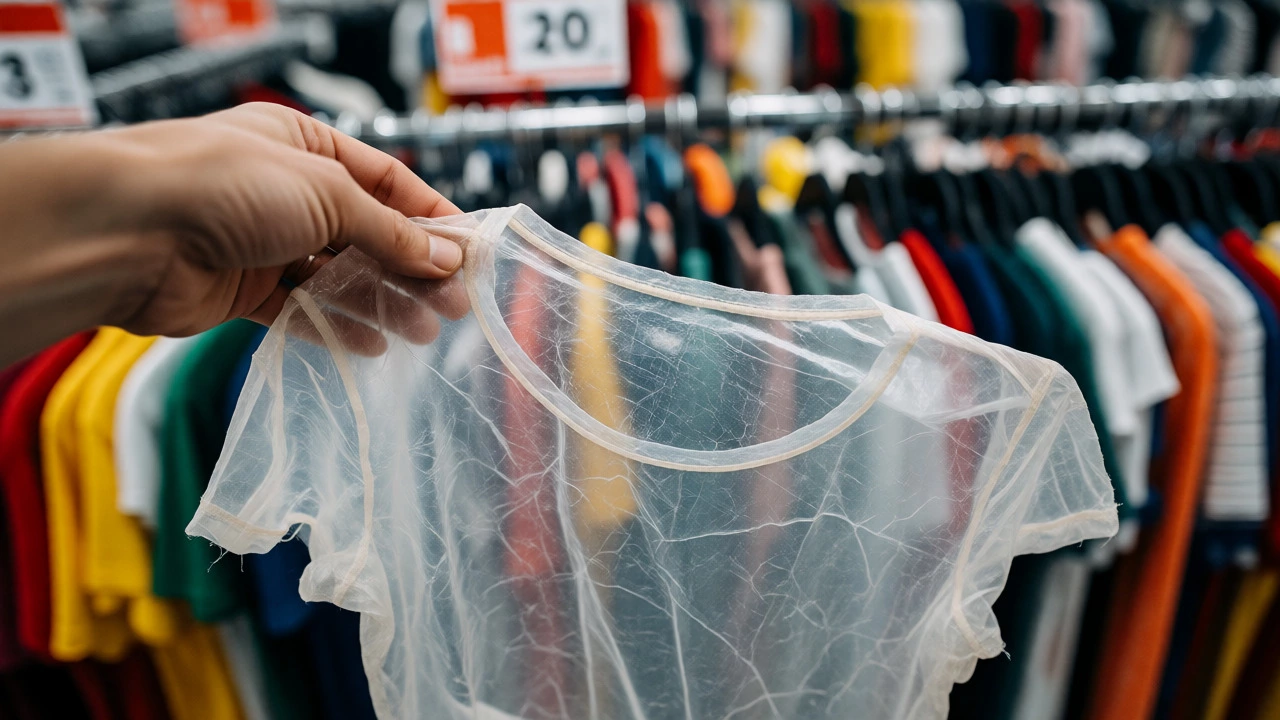
The EU Strategy for Sustainable and Circular Textiles is enforcing new design requirements that mandate textiles be durable, repairable, and recyclable. This regulatory shift aims to reinvent the entire lifecycle of textile products, moving beyond production to consumption and disposal. By introducing mandatory Extended Producer Responsibility (EPR) rules, the EU is compelling producers to design for circularity, ensuring that waste is minimized and materials are kept in use for longer periods.

Smart Clothing Waste Management
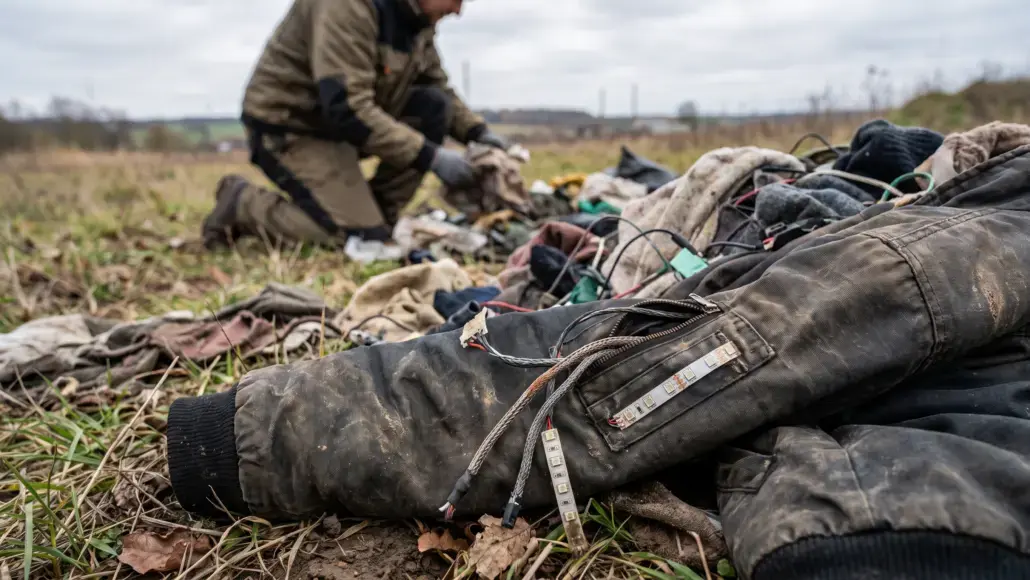
New circular policies are addressing the growing issue of electronic waste in smart clothing. The goal is to promote "disassembly by design," allowing electronic modules to be easily detached from fabrics at the end of a garment’s life. This innovation ensures that both the textile and electronic components can be recycled separately, preventing the contamination of fiber recycling streams and reducing the environmental footprint of wearable technology.
What to Watch
- EU EPR Implementation: Monitor the enforcement of mandatory Extended Producer Responsibility rules in EU member states, which will require brands to fund the collection and recycling of their products.
- Digital Product Passports: Keep an eye on the rollout of Digital Product Passports (DPPs), which are becoming a standard for traceability and will soon be required for market entry in Europe.
- Vinted’s US Growth: Track Vinted’s market share gains in the US against established competitors like Poshmark and Depop, particularly regarding user acquisition and seller adoption.
- Secondhand Market Projections: Watch for updates on the $393 billion forecast for the secondhand market by 2030, with particular attention to how traditional retailers are integrating resale into their core business models.
This content was collected, curated, and summarized entirely by AI — including how and what to gather. It may contain inaccuracies. Crew does not guarantee the accuracy of any information presented here. Always verify facts on your own before acting on them. Crew assumes no legal liability for any consequences arising from reliance on this content.
Powered by
