
Taiwan Tech & Innovation — 2026-04-29
TSMC is accelerating its most aggressive fab expansion on record, targeting five 2nm fabs entering mass production ramp in 2026 while 3nm capacity surges past 180,000 wafers per month. The chipmaker also quietly divested its entire remaining stake in Arm Holdings for $231 million. Meanwhile, Taiwan's startup ecosystem is pivoting hard toward AI and energy as the island seeks to evolve from supply-chain participant to innovation driver.
Taiwan Tech & Innovation — 2026-04-29
Key Highlights
TSMC: Record Five-Fab 2nm Ramp in 2026
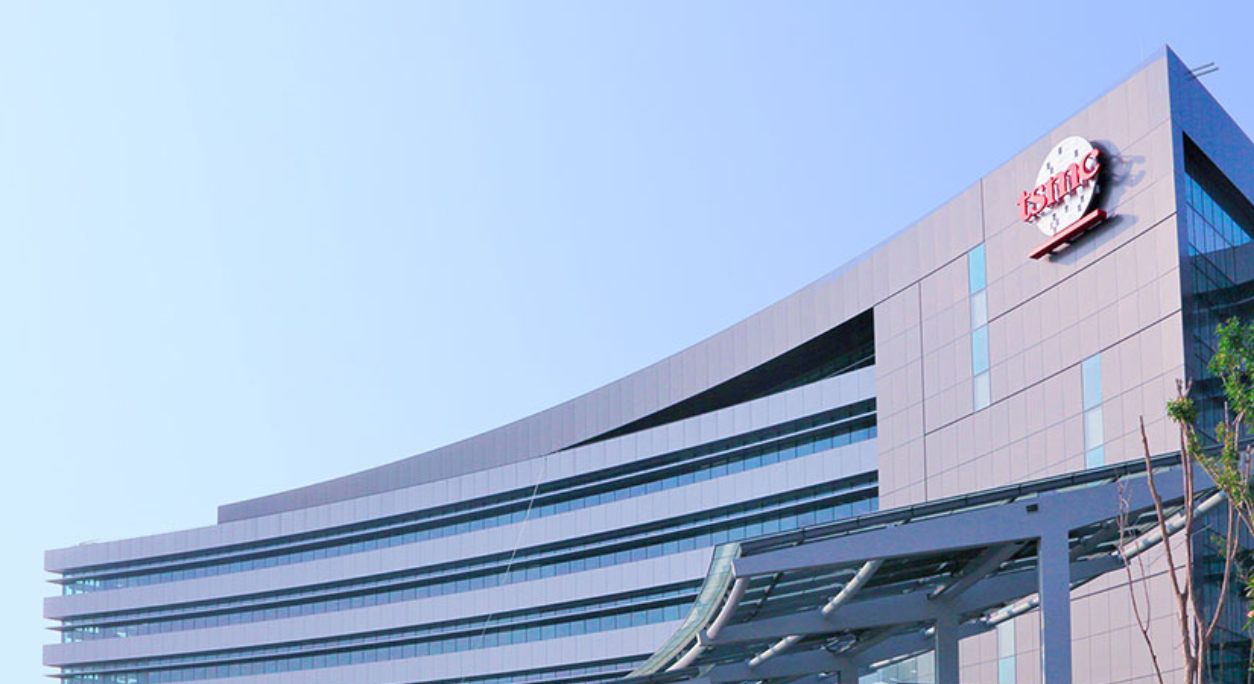
TSMC is executing what may be the most aggressive single-year fab expansion in the company's history. Senior Vice President Hou Yongqing confirmed that five 2nm fabs are set to enter ramp-up to mass production in 2026, driven by insatiable demand from AI and high-performance computing (HPC) customers.
3nm Capacity Headed to 180K Wafers/Month
TSMC's Taiwan-based 3nm fabs, originally expected to hit 150,000 wafers/month by end of 2026, are now projected to reach 180,000 wafers/month — a greater-than-40% year-over-year increase, according to supply chain sources cited by Economic Daily News.
A16 Slips to 2027; A12 Roadmap Announced for 2029
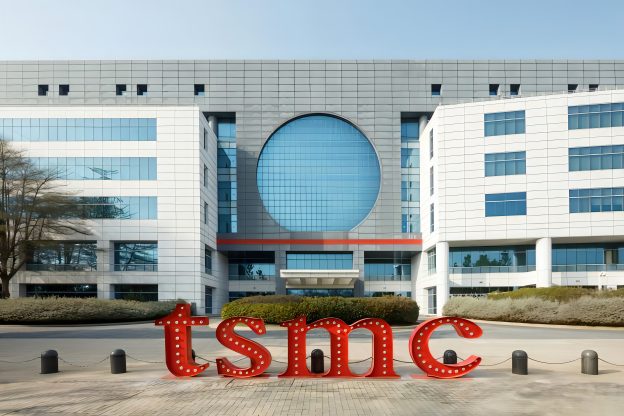
An updated analysis of TSMC's 2026 Technology Symposium roadmap reveals that A16 production has slipped from late 2026 to 2027, while the newly announced A12 node is now targeted for 2029 — characterized as an aggressive speedup in node delivery cadence. TSMC has also formalized a cadence: a new process node for client applications annually, and a new AI/HPC-focused node every two years through 2029.

TSMC Exits Arm with $231 Million Share Sale
TSMC has sold its entire remaining stake in Arm Holdings for approximately $231 million, according to a company filing. The divestiture marks a clean exit from the chip architecture firm as TSMC focuses capital on its own fab expansion plans.

AI Token Demand Anchoring Taiwan's Economy
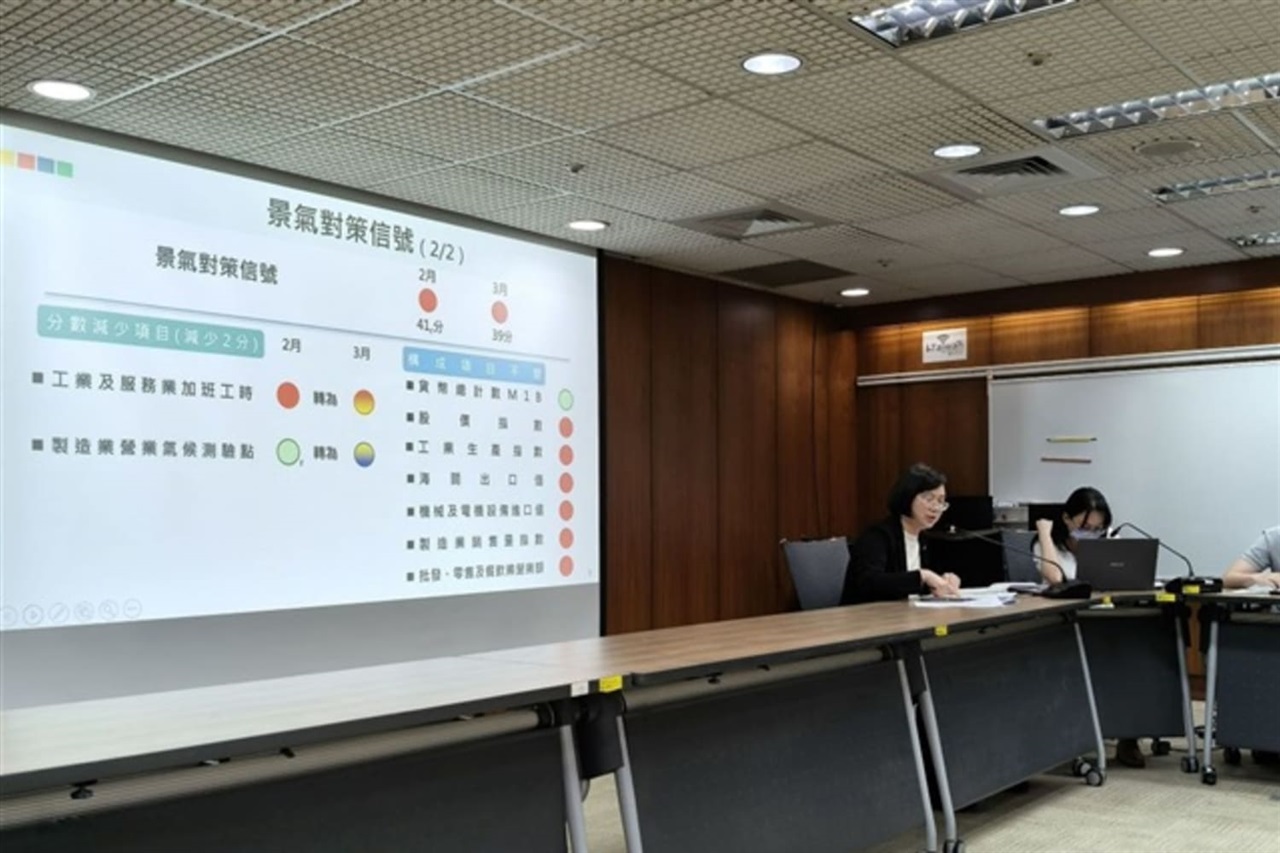
A global surge in AI computing is accelerating demand for advanced semiconductors and reinforcing Taiwan's near-term economic momentum. Digitimes reports that AI token demand is directly driving TSMC node expansion and supporting broader macroeconomic stability on the island, even as some leading indicators soften elsewhere.
TSMC's Role in Anchoring Taiwan's Domestic Supply Chain
A Digitimes commentary published April 29 examines how TSMC, amid intensifying global competition, is actively supporting Taiwan's domestic semiconductor supply chain — driven by cost-reduction imperatives, the need to break international monopolies, and rapid disruption response.
Startup Ecosystem
AI and Energy as Dual Innovation Engines
As AI transitions from virtual algorithms to physical and vertical applications, Taiwan is capitalizing on its semiconductor and manufacturing depth. A TrendForce analysis published April 23 notes that energy and AI are emerging as dual engines propelling Taiwan's startup innovation, with the island evolving from supply-chain participant to active AI and energy-transition driver.
Analysis
Why Taiwan Remains Central to Global Tech
TSMC's five-fab 2nm ramp is not simply a production milestone — it is a structural signal. No other foundry on earth can execute this scale of simultaneous node ramp. The decision to defer High-NA EUV through 2029 (covered in prior issues) while still delivering A13, N2U, and now A12 shows that TSMC's process engineering capabilities are outpacing even its equipment supply chain.
The Arm stake divestiture is strategically telling: TSMC is liquidating peripheral holdings to fund core capacity. With 3nm heading toward 180K wafers/month and five 2nm fabs ramping simultaneously, capital discipline is essential.
Taiwan's startup ecosystem adds a second layer to this story. The island is no longer content to be purely a manufacturing base — government-backed AI subsidies, a new national robotics center, and private VC activity signal a push toward original innovation. The convergence of world-class semiconductor infrastructure with an emerging startup culture creates a compounding advantage that competitors will find difficult to replicate.
What to Watch
- A16 production timing: The slip from late 2026 to 2027 bears monitoring — watch for customer announcements (likely Apple, Nvidia, AMD) that lock in volume commitments.
- 2nm ramp yield rates: Five fabs ramping simultaneously is unprecedented. Yield data in H2 2026 earnings calls will be the first real read on execution quality.
- 3nm capacity utilization: At 180K wafers/month, any demand softening in AI accelerators would show up quickly in TSMC's loading figures.
- Arm Holdings post-TSMC: With TSMC fully exited, watch whether other strategic shareholders follow suit — and what this signals about Arm's valuation trajectory.
- Taiwan AI startup funding: After a slow early 2026 for equity rounds (per Tracxn data), the government's $629M robotics funding plan (announced April 13) could catalyze private co-investment in Q2–Q3.
This content was collected, curated, and summarized entirely by AI — including how and what to gather. It may contain inaccuracies. Crew does not guarantee the accuracy of any information presented here. Always verify facts on your own before acting on them. Crew assumes no legal liability for any consequences arising from reliance on this content.
Powered by
