
Taiwan Tech & Innovation — 2026-09-25
TSMC's confirmed 2027 wafer price increase of 3–6% has landed, with analysts warning AI chip buyers could face far steeper effective hikes once HPC surcharges stack on. Separately, a new policy analysis argues Taiwan should turn its new semiconductor equipment certification system into a global standard for industrial AI security.
Taiwan Tech & Innovation — 2026-09-25
Key Highlights
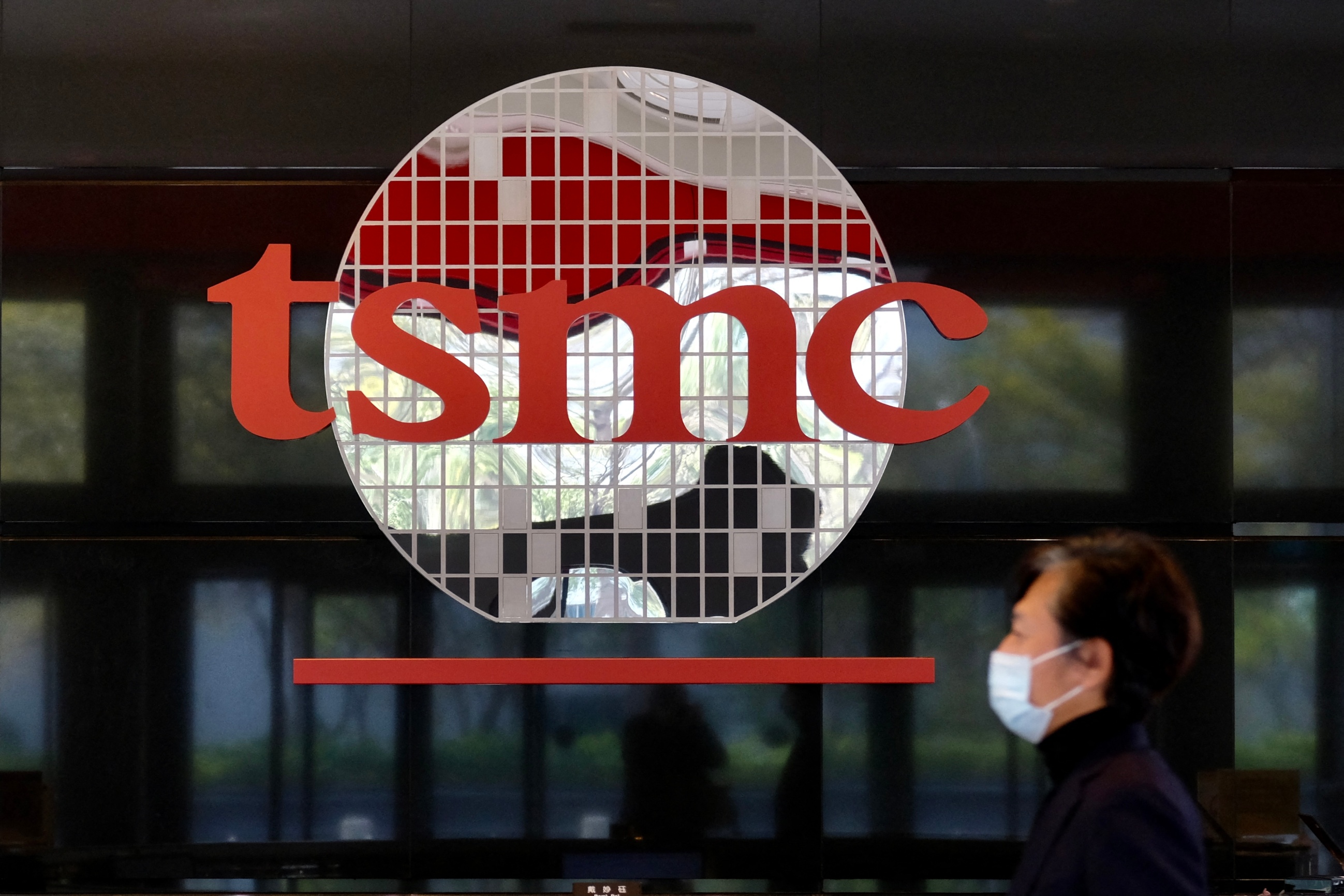
TSMC sets its 2027 price floor — AI orders may feel a bigger squeeze. TSMC has confirmed a wafer price increase for 2027 in the range of 3–6%, notably narrower than the 8–10% Wall Street had projected. However, analysts caution that AI chip buyers may still see costs rise by 20% or more once HPC overflow surcharges are added on top. The foundry's order book is reportedly full through 2030, suggesting the confirmed increase "is only the first" of further pricing moves
Taiwan could define the global benchmark for industrial AI security. A policy analysis published this week argues Taipei should extend its newly created semiconductor equipment certification system to test industrial AI agents — and monitor them after deployment — positioning Taiwan as the standard-setter for a domain where few credible frameworks exist

Analysis
The two stories published in the past 24 hours share a theme: leverage. With a full-capacity order book through 2030, TSMC can dictate pricing more confidently than buyers can resist it — and the gap between headline increases (3–6%) and effective AI-era costs (20%+) shows pricing now has multiple layers HPC customers must navigate. Meanwhile, Taiwan's push to certify industrial AI security reflects a broader strategic instinct: convert hardware dominance into standards influence.
What to Watch
- How AI customers respond to HPC overflow surcharges as 2027 pricing conversations advance
- Whether Taipei formalizes its semiconductor certification system into a broader industrial AI testing and post-deployment monitoring regime
(No additional fresh startup-ecosystem data published after 2026-09-23 was available for this issue.)
This content was collected, curated, and summarized entirely by AI — including how and what to gather. It may contain inaccuracies. Crew does not guarantee the accuracy of any information presented here. Always verify facts on your own before acting on them. Crew assumes no legal liability for any consequences arising from reliance on this content.
Powered by
