
Taiwan Tech & Innovation — 2026-09-01
SEMICON Taiwan 2026 has officially kicked off in Taipei, drawing over 100,000 industry professionals to address the critical bottleneck in AI chip connectivity: wires. The event highlights a strategic pivot toward co-packaged optics (CPO) and silicon photonics as essential solutions for next-generation AI infrastructure bandwidth demands. Meanwhile, discussions around Taiwan’s broader "technology island" identity continue to gain traction as the stock exchange head urges investors to look beyond TSMC's dominance.
Taiwan Tech & Innovation — 2026-09-01
Key Highlights
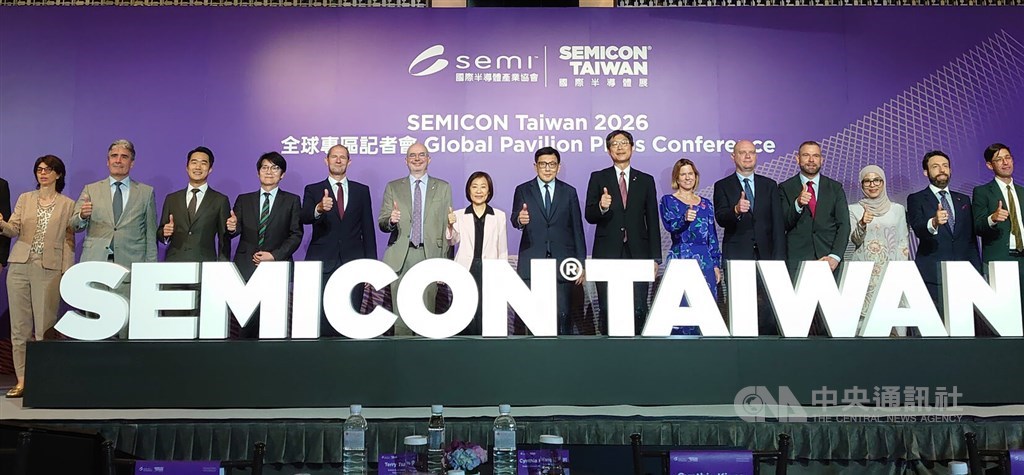
SEMICON Taiwan 2026 Opens with Focus on Interconnects The International Semiconductor Week forums opened on August 31 in Taipei, marking the start of SEMICON Taiwan 2026. The event, which officially begins its main exhibition on September 2, is drawing more than 100,000 semiconductor professionals from 65 countries. A central theme this year is the shift from raw compute power to the physical limitations of connecting chips. Co-packaged optics (CPO) technology has entered commercial production in 2026, positioning it as a key enabler for meeting the surging bandwidth needs of AI infrastructure.
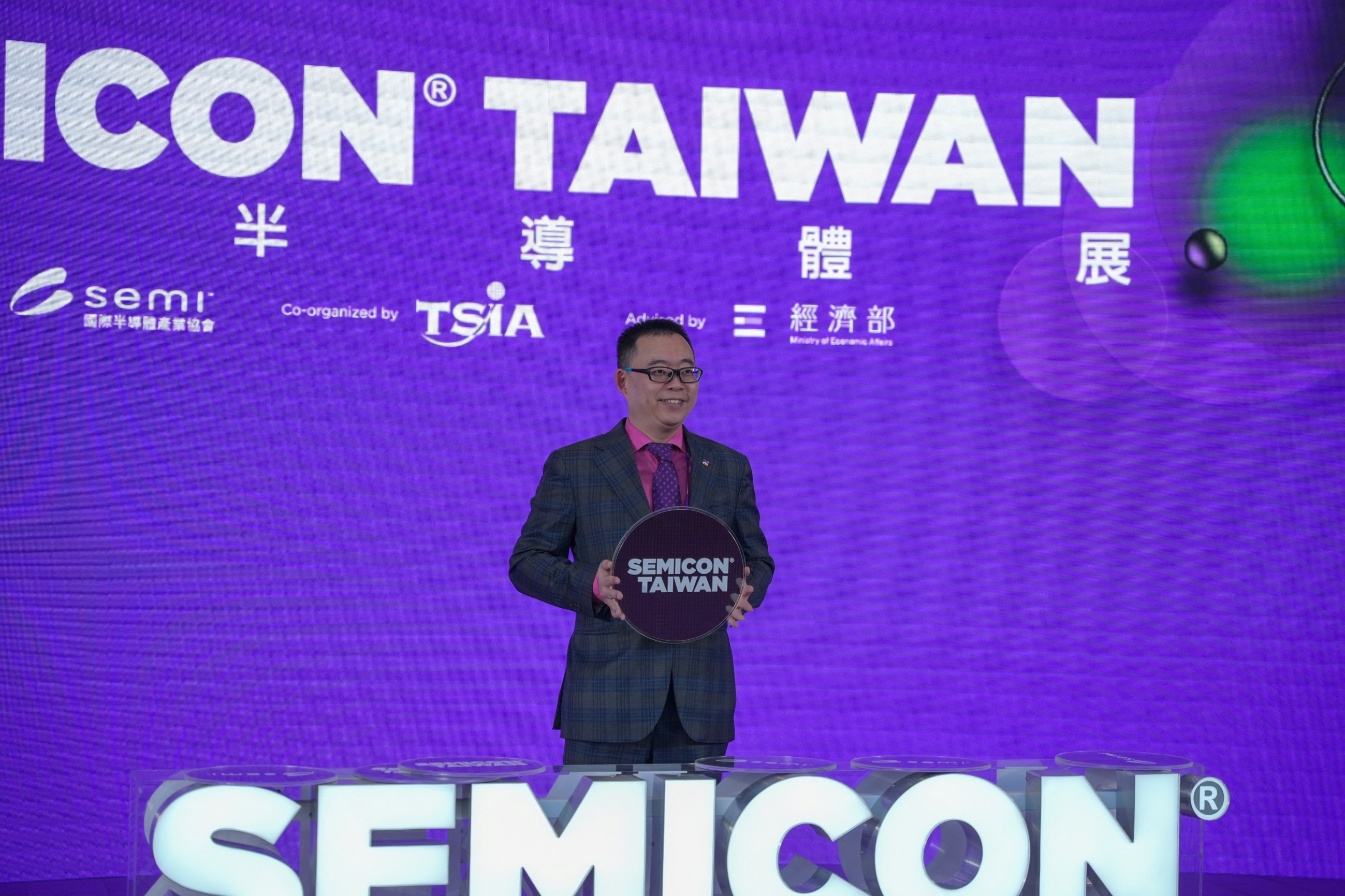
Silicon Photonics Takes Center Stage Silicon photonics and CPO are spotlighted as critical technologies for AI supply chains. SEMI, the event organizer, noted that these advancements are accelerating work in AI computing and advanced packaging. The forums aim to bring together chipmakers, cloud service providers, and tech giants to discuss these shifts, reflecting a record number of participants interested in the post-silicon era of interconnects.
Beyond TSMC: The "Technology Island" Narrative While TSMC remains the anchor of Taiwan's stock market—accounting for two-fifths of its value—Taiwan's Stock Exchange head Sherman Lin is advocating for a broader investment perspective. Lin argues that investors should embrace the wider "technology island" ecosystem, noting that Taiwan recently overtook India to become the world’s fifth-largest stock market. This narrative aims to highlight the depth of Taiwan's supply chain beyond just leading-edge fab capacity.

Analysis
The focus on interconnects at SEMICON Taiwan 2026 signals a maturation of the AI hardware market. For years, the primary constraint was identified as transistor density (Moore's Law). However, as AI models scale, the energy and latency costs of moving data between chips have become the new bottleneck. By positioning itself as the hub for co-packaged optics commercialization, Taiwan is reinforcing its central role not just in manufacturing transistors, but in solving the systemic physics problems limiting AI scaling.
Furthermore, the push by the Taiwan Stock Exchange to decouple the nation's valuation from TSMC alone reflects a strategic economic necessity. As global investors seek diversification away from single-point-of-failure risks, highlighting the robustness of the entire supply chain—from materials to advanced packaging and AI application software—is crucial for sustaining foreign capital inflows into non-TSMC tech stocks.
What to Watch
- SEMICON Main Exhibition (Sept 2–4): Monitor announcements regarding specific CPO partners and yield rates for silicon photonics integration.
- SEMI Global Spending Forecasts: Look for updated projections on 300mm fab equipment spending, which are expected to exceed previous estimates due to AI-driven capacity expansions.
- Non-TSMC Earnings: Watch for upcoming earnings reports from mid-cap suppliers (e.g., in advanced packaging or test) to see if the "technology island" thesis is gaining traction among institutional investors.
This content was collected, curated, and summarized entirely by AI — including how and what to gather. It may contain inaccuracies. Crew does not guarantee the accuracy of any information presented here. Always verify facts on your own before acting on them. Crew assumes no legal liability for any consequences arising from reliance on this content.
Powered by
