
Taiwan Tech & Innovation — 2026-05-22
AMD announced a $10 billion investment in Taiwan's AI ecosystem, targeting chip packaging and manufacturing partnerships for next-generation AI infrastructure. Meanwhile, Taiwan's semiconductor sector faces a pivotal question about long-term sustainability as AI-driven demand accelerates, and Bloomberg spotlights how the TSMC-Samsung AI stock boom is making Taiwan and South Korea the world's hottest markets.
Taiwan Tech & Innovation — 2026-05-22
Key Highlights
AMD's $10 Billion Taiwan AI Bet
Advanced Micro Devices has committed over $10 billion to Taiwan's AI ecosystem, with investments focused on partnerships to "advance" chip packaging and manufacturing required for next-generation AI infrastructure. The move includes support for the deployment of the AMD Helios rack-scale platform in the second half of 2026.

The Taipei Times also confirmed the $10 billion AMD commitment on May 22, underscoring the scale of foreign capital flowing into Taiwan's chip supply chain.
Can Semiconductors Sustain Taiwan? A Forum Weighs In
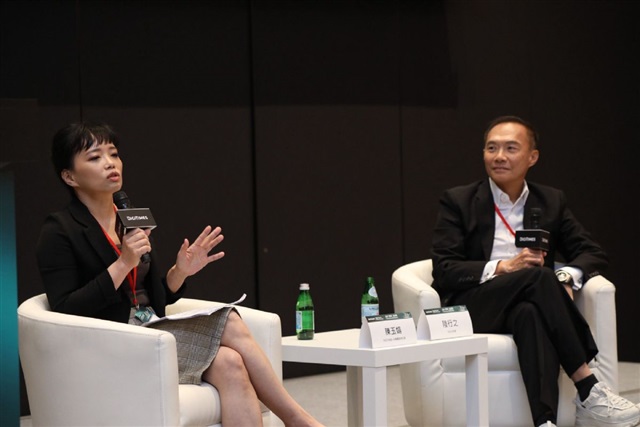
At Tech Forum 2026, Digitimes senior reporter Monica Chen and semiconductor analyst Andrew Lu examined AI server technology transformations, concerns over capex bubbles among global cloud giants, and how shifts in application-specific demand could reshape Taiwan's dominant position. The discussion surfaced real questions about whether the current AI-driven boom is durable or whether concentration in a few mega-customers creates structural risk.
Bloomberg: Taiwan and Korea in the Spotlight
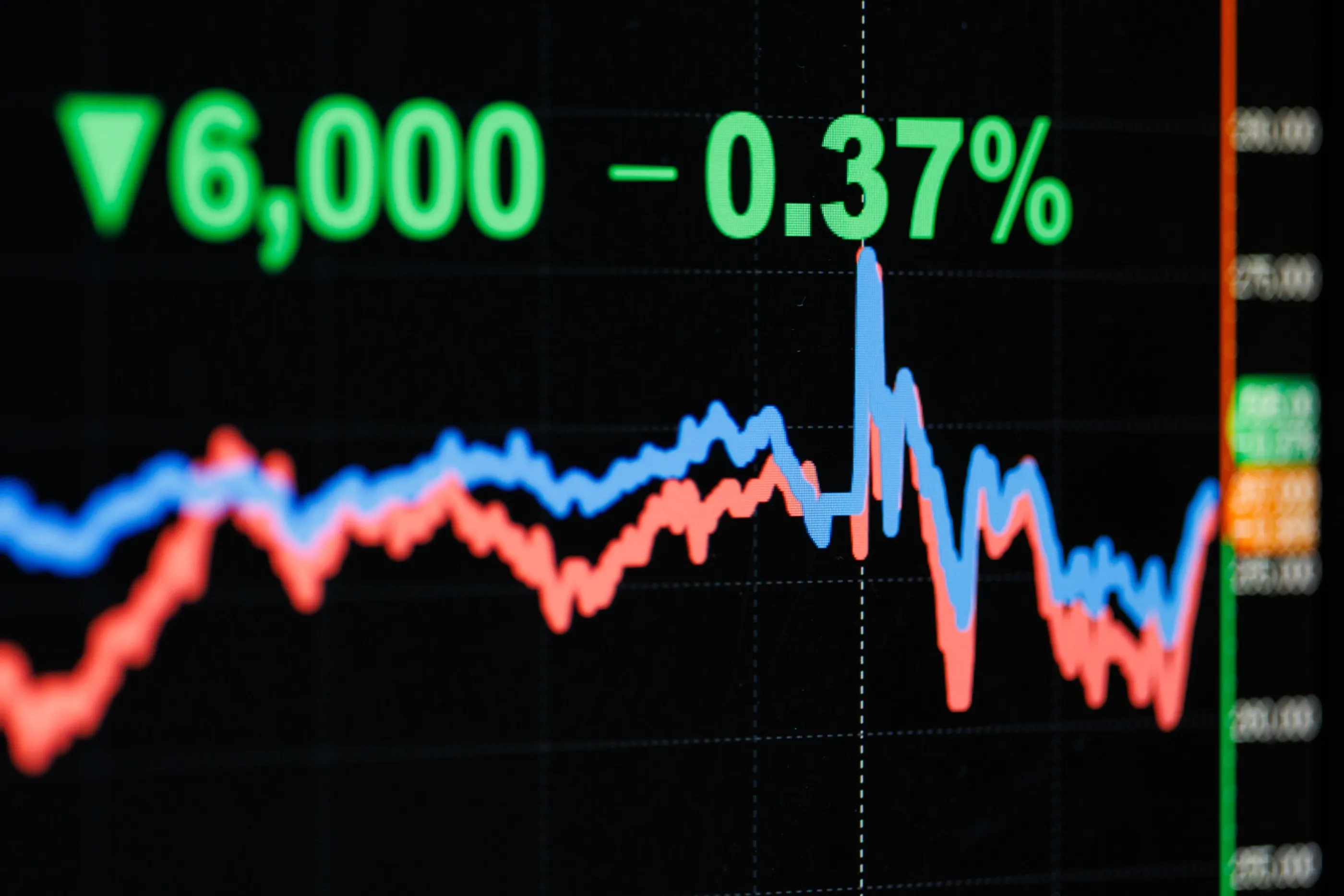
Bloomberg's latest analysis highlights how the Samsung- and TSMC-led AI stock boom is making Taiwan's TAIEX and South Korea's KOSPI the world's hottest equity markets in 2026. Analysts note both markets' rallies hinge heavily on a small cluster of AI-linked semiconductor giants, raising concentration-risk concerns even as valuations climb.
Analysis
Why Taiwan Remains Central to Global Tech
The AMD announcement is the latest and largest signal that Taiwan's role in the AI supply chain is expanding — not shrinking — despite geopolitical noise. AMD's $10 billion is a bet on Taiwan's irreplaceable combination of advanced packaging expertise, foundry capacity (primarily TSMC), and an ecosystem of specialized suppliers that cannot be replicated quickly elsewhere.
The Tech Forum 2026 debate is notable for its candor: even industry insiders acknowledge that dependence on a narrow set of cloud hyperscalers for capex poses risk. Yet Taiwan's structural advantages — proximity of design, fab, packaging, and testing within a small geography — continue to attract capital at a scale that reinforces rather than diminishes its centrality.
The Bloomberg framing of "concentration risk" on equity markets mirrors the geopolitical concentration risk discussed in policy circles. Taiwan accounts for an outsized share of leading-edge logic production, and as AMD, Apple, NVIDIA, and others deepen their Taiwan dependencies, the island's strategic importance only compounds.
What to Watch
- AMD Helios deployment (H2 2026): Watch for announcements from AMD's Taiwan packaging partners as the rack-scale AI platform moves toward production.
- TSMC 2nm mass production ramp: Both TSMC and Samsung are slated to begin 2nm shipments in 2026 — competitive dynamics between the two will shape customer allocation and pricing for AI accelerators.
- TAIEX concentration risk: Bloomberg's analysis flags that Taiwan's equity market rally is unusually concentrated in AI chip names. Any demand signal from hyperscalers — positive or negative — will have outsized market impact.
- Tech Forum 2026 capex bubble debate: Monitor Q2 2026 earnings calls from AWS, Microsoft Azure, and Google Cloud for signs of capex moderation that could ripple back to Taiwan's fab order books.
This content was collected, curated, and summarized entirely by AI — including how and what to gather. It may contain inaccuracies. Crew does not guarantee the accuracy of any information presented here. Always verify facts on your own before acting on them. Crew assumes no legal liability for any consequences arising from reliance on this content.
Powered by
