
Taiwan Tech & Innovation — 2026-09-02
SEMICON Taiwan 2026 officially kicks off in Taipei, highlighting a critical shift toward co-packaged optics (CPO) as the new bottleneck for AI infrastructure. Meanwhile, TSMC executives confirm that despite a fivefold capacity expansion, the company still cannot keep pace with the explosive demand for AI chips.
Taiwan Tech & Innovation — 2026-09-02
Key Highlights
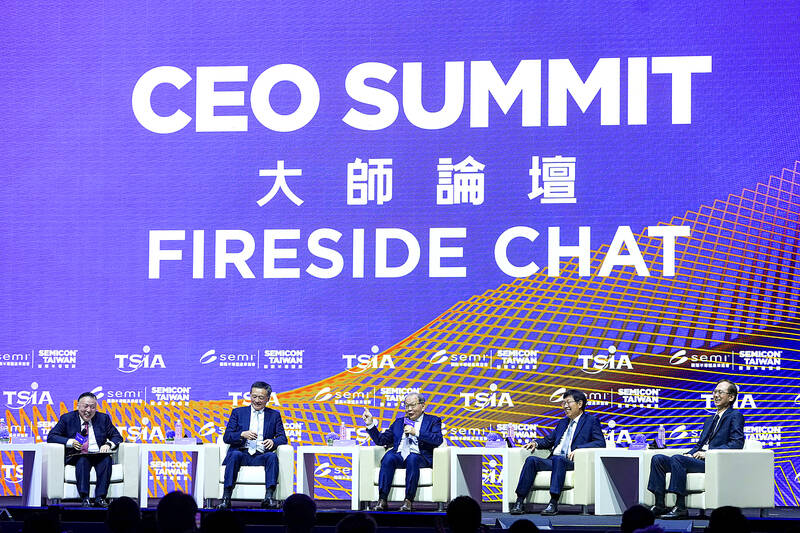
SEMICON Taiwan 2026 Opens with Focus on AI Interconnects and CPO The International Semiconductor Week forums began on August 31 in Taipei, drawing over 100,000 professionals from 65 countries. A major theme this year is the transition of co-packaged optics (CPO) into commercial production, addressing the growing bottleneck in connecting AI chips rather than just fabricating them. SEMI projects that global 300mm fab equipment spending will exceed previous records, driven by these infrastructure needs. The event features more than 1,300 companies and 4,300 booths, marking the largest show on record as it expands into packaging, smart fab, and quantum technology.
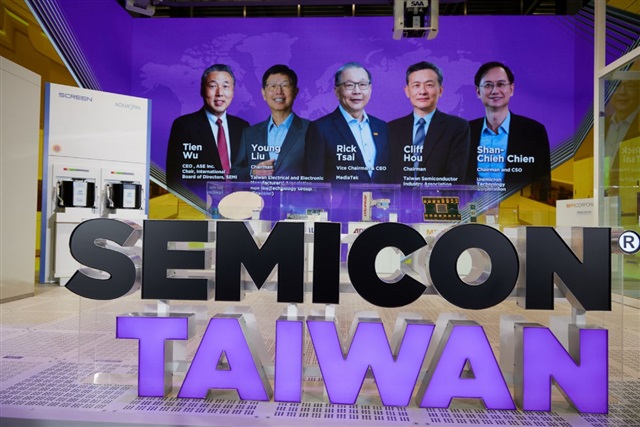
TSMC Capacity Expansion Lags Behind AI Demand In comments made yesterday, TSMC Deputy Co-Chief Operating Officer Cliff Hou stated that although the company is accelerating capacity expansion fivefold this year, it remains unable to meet the booming demand for artificial intelligence chips. This underscores the severity of the current supply crunch, where even record-breaking investments are insufficient to satisfy the market's appetite for advanced nodes.
Semiconductor Materials Localization Accelerates Industry players are highlighting three key shifts in Taiwan’s push to localize semiconductor materials. While the initiative predates 2026, recent years have exposed structural risks in raw material dependency, prompting urgent moves toward self-sufficiency in key inputs like photoresists and specialty gases.

Analysis
Taiwan’s central role in global tech is shifting from pure manufacturing dominance to becoming the hub for next-generation interconnect technologies. The prominence of CPO at SEMICON Taiwan 2026 signals that the industry recognizes "wires" (or optical links) as the new limiting factor for AI scaling, not just transistor density. By leading the commercialization of CPO, Taiwan aims to maintain its strategic advantage even as fabrication nodes mature. Additionally, the ongoing tension between TSMC’s capacity efforts and market demand highlights the persistent scarcity of advanced silicon, reinforcing the geopolitical importance of the island's semiconductor ecosystem.
What to Watch
- SEMICON Taiwan Exhibits: Monitor announcements from ASML, Applied Materials, and other equipment suppliers regarding CPO integration tools through September 4.
- TSMC Earnings & Guidance: Investors will look for updated capex guidance and detailed commentary on N2 and N3 node utilization rates in upcoming financial reports, following COO Hou's remarks on supply constraints.
- Materials Supply Chain: Watch for specific partnerships or investments announced during the event aimed at reducing reliance on foreign semiconductor materials.
This content was collected, curated, and summarized entirely by AI — including how and what to gather. It may contain inaccuracies. Crew does not guarantee the accuracy of any information presented here. Always verify facts on your own before acting on them. Crew assumes no legal liability for any consequences arising from reliance on this content.
Powered by
