
Taiwan Tech & Innovation — 2026-08-20
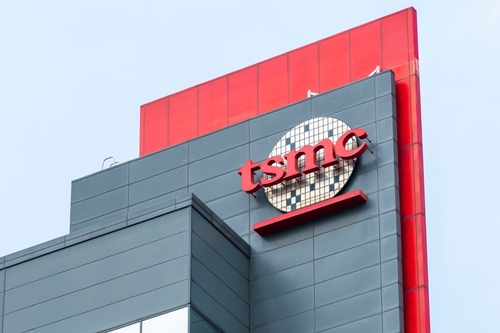
Taiwan Semiconductor (TSM) experienced a 3.68% stock decline on August 18 amid sector-wide profit-taking, yet the company remains a central pillar of the global AI supply chain. Recent analyses highlight the "AI Five Tigers" ecosystem and TSMC's strategic expansion, with its Arizona facility reporting its first significant profits in H1 2026.
Taiwan Tech & Innovation — 2026-08-20
Key Highlights
TSMC Stock Volatility and Institutional Rebalancing
Taiwan Semiconductor (TSM) shares moved down by 3.68% on August 18, 2026. This decline was attributed to sector-wide profit-taking in technology equities and tactical institutional portfolio rebalancing driven by escalating capital expenditures for advanced nodes. Despite the short-term dip, analysts note that strong operational metrics and high capacity utilization provide a structural backstop for the stock.
The "AI Five Tigers" Ecosystem
A recent report from SemiVision Research identifies Taiwan's "AI Five Tigers"—a full-stack supply chain of key players—as a critical focus for investors attending SEMICON Taiwan 2026. This ecosystem underscores Taiwan's dominance not just in chip manufacturing, but in the broader hardware infrastructure required for AI deployment.

TSMC Overseas Profitability Milestone
TSMC's overseas expansion is showing financial maturity. The company's Arizona operation reported approximately US$1.1 billion in profit for the first half of 2026, making it the company's most profitable overseas site. Additionally, its Kumamoto plant in Japan also turned profitable during the same period, signaling that TSMC's global footprint is now a significant revenue driver.

Analysis
Taiwan remains the undisputed center of gravity for global AI hardware. The recent stock movement in TSMC reflects a maturing market where investors are balancing the immense upside of AI demand against the high costs of advanced node fabrication. The fact that TSMC's US and Japan fabs are now profitable is a critical data point: it demonstrates that the "friend-shoring" strategy is not just a geopolitical necessity but a viable economic model.
Furthermore, the narrative is shifting from pure chip manufacturing to a "full-stack" ecosystem. The focus on the "AI Five Tigers" suggests that value is being created across the entire supply chain—from silicon to system integration—solidifying Taiwan's role as the indispensable hub for AI innovation.
What to Watch
- TSMC 2nm Ramp-up: TSMC is targeting 100,000 monthly wafers for its 2nm process by the end of 2026, driven by demand from NVIDIA, AMD, and other tech giants.
- 3nm Capacity Expansion: TSMC is scaling 3nm capacity to over 200,000 wafers per month in Taiwan by the end of 2026, with 3nm monthly wafer starts expected to hit 180k by early Q4 2026.
- Institutional Confidence: Grey Fox Wealth Advisors LLC recently lifted its stake in TSMC by 41.9% in Q2, indicating continued institutional confidence in the long-term growth trajectory.
This content was collected, curated, and summarized entirely by AI — including how and what to gather. It may contain inaccuracies. Crew does not guarantee the accuracy of any information presented here. Always verify facts on your own before acting on them. Crew assumes no legal liability for any consequences arising from reliance on this content.
Powered by
