
Taiwan Tech & Innovation — 2026-09-16
Taiwan Semiconductor Manufacturing Company (TSMC) has announced aggressive capacity expansion plans for its 2nm and 3nm nodes to meet surging AI demand, targeting significant output increases by mid-2027. Additionally, industry insights highlight the critical role of advanced packaging and interconnects in sustaining the pace of AI hardware development.
Taiwan Tech & Innovation — 2026-09-16
Key Highlights
TSMC Accelerates Advanced Node Expansion TSMC has reportedly outlined detailed expansion targets for its most advanced process nodes in response to relentless demand for artificial intelligence chips. According to supply chain sources cited by the Economic Daily News, TSMC aims to increase its 2nm capacity by 22% and its 3nm capacity by more than 16% between the end of 2026 and mid-2027. This move follows reports that the company is quietly briefing supply chain partners on these aggressive plans to secure orders through 2030.
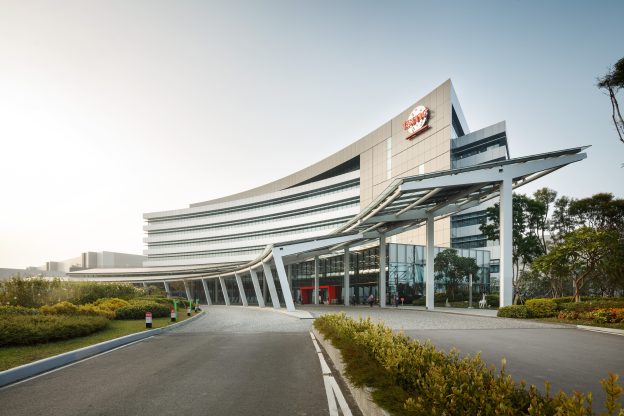
The "1,000-Watt Problem" in AI Chip Design In a recent interview, Mou-Shiung Lin, an early TSMC executive, discussed the immense engineering challenges behind Nvidia’s AI chips. Lin described the methodology as "brute force," highlighting how the industry is pushing physical limits to manage power consumption exceeding 1,000 watts per chip. This insight underscores why advanced packaging technologies like CoWoS (Chip-on-Wafer-on-Substrate) are becoming as critical as the silicon itself. TSMC’s expansion plans also include doubling CoWoS capacity by 2028 to support these high-power AI accelerators.

Analysis
Taiwan remains the indispensable hub for global semiconductor manufacturing, particularly as the AI race intensifies. The decision by TSMC to significantly ramp up 2nm and 3nm production highlights two key trends:
- AI Demand is Structural: The push for higher capacity is not a short-term spike but a long-term strategic alignment with AI growth projected through 2030.
- Packaging is the New Bottleneck: As noted by industry veterans, the challenge has shifted from just transistor density to managing heat and power density. The parallel expansion of CoWoS capacity demonstrates that Taiwan is addressing the full stack of AI hardware challenges, from silicon to system integration.
What to Watch
- Capacity Ramp-Up Timelines: Monitor TSMC’s quarterly earnings calls for specific updates on when the new 2nm and 3nm capacity will come online, particularly the target of mid-2027.
- CoWoS Supply Chain: Watch for announcements from OSAT partners (Outsourced Semiconductor Assembly and Test) regarding their share of the doubled CoWoS capacity, which is critical for Nvidia and AMD’s next-generation chips.
- Geopolitical Trade Dynamics: Keep an eye on how the $250 billion investment pledge from Taiwan to the US impacts local fab expansion schedules versus overseas investments in Arizona and Japan.
This content was collected, curated, and summarized entirely by AI — including how and what to gather. It may contain inaccuracies. Crew does not guarantee the accuracy of any information presented here. Always verify facts on your own before acting on them. Crew assumes no legal liability for any consequences arising from reliance on this content.
Powered by
