
Taiwan Tech & Innovation — 2026-06-29
Taiwan's semiconductor ecosystem continues to drive global AI infrastructure demand, with TSMC facing pricing power decisions amid 30%+ revenue growth, while Foxconn's packaging subsidiary accelerates co-packaged optics partnerships. Advanced chip packaging has become a critical choke point for U.S. AI competitiveness, cementing Taiwan's geopolitical importance in computing hardware.
Taiwan Tech & Innovation — 2026-06-29
Key Highlights
TSMC Pricing & Capex Plans
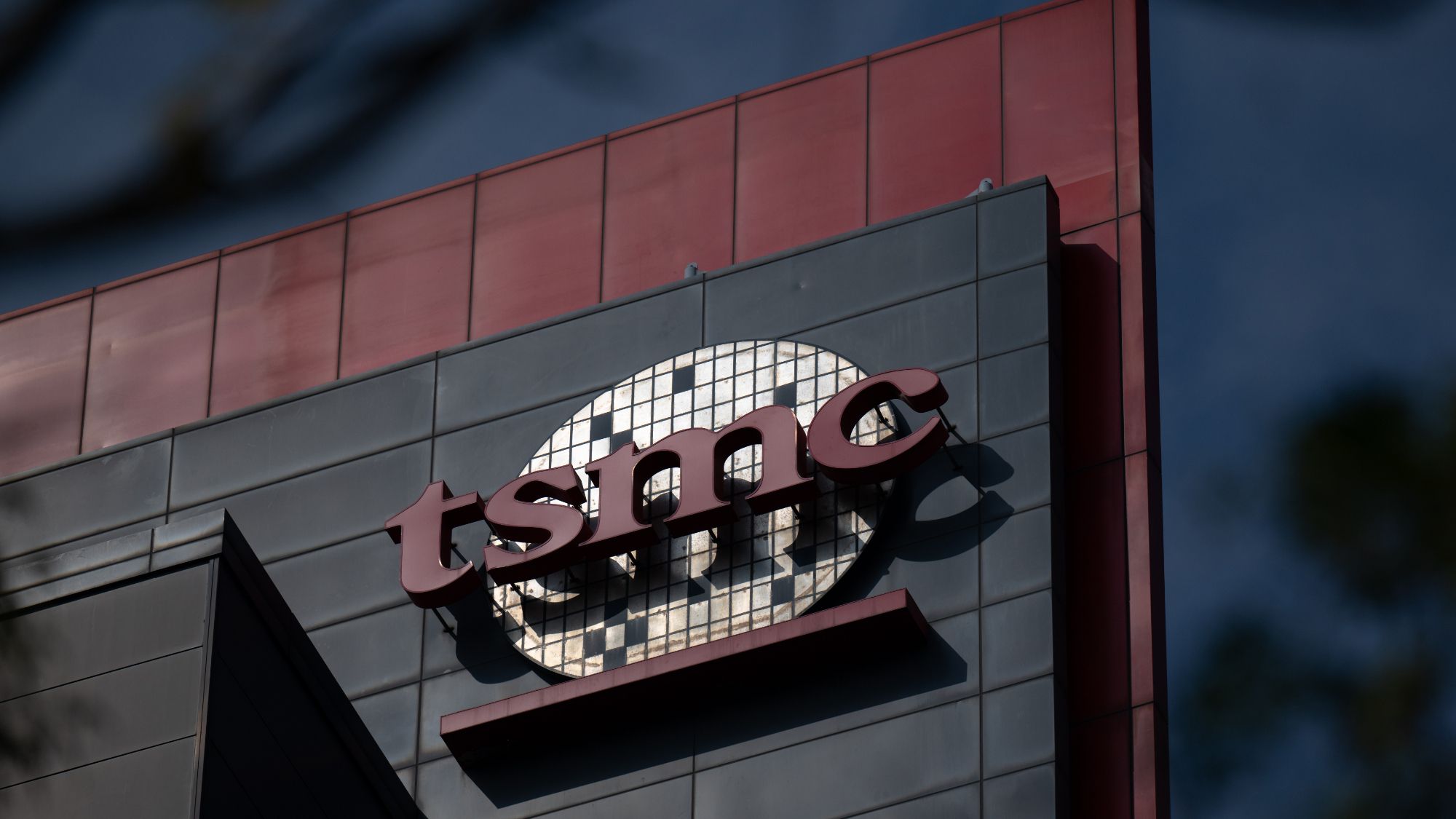
TSMC has raised its 2026 revenue growth target to more than 30% in U.S. dollar terms, signaling dominant demand across advanced nodes accounting for 74% of the company's wafer business. Capital spending remains elevated as the company expands capacity in Taiwan, the U.S., Japan, and Germany. Barclays models TSMC capex at $56 billion in 2026 and $74 billion in 2027, maintaining attractive valuations despite price increases.
Foxconn's Packaging Expansion
ShunSin Technology Holdings, Foxconn's semiconductor packaging and testing subsidiary, is accelerating its transition toward co-packaged optics (CPO) and confirming a TSMC COUPE partnership. The company appointed a former TSMC executive as independent director and plans capex of NT$5 billion for CPO and optical connectivity solutions (OCS).
Advanced Packaging as Strategic Chokepoint
Advanced chip packaging technology—which boosts computing power for AI applications—has made the United States more reliant on Taiwan than ever before. The New York Times reports that this niche technology has become a critical choke point for artificial intelligence infrastructure, with Taiwan controlling essential capabilities in co-packaged optics and advanced interconnect solutions needed for next-generation AI chips.

Market Confidence & Stock Performance
Barclays raised Taiwan Semiconductor's stock price target on strong AI demand outlook, with May 2026 monthly revenue hitting NT$416.98 billion, up 30.1% year over year. Multiple analysts note TSMC's dominant foundry position with pricing power as a core strength in the AI infrastructure buildout.
Analysis
Taiwan's technology leadership now extends far beyond traditional semiconductor manufacturing. The emergence of advanced chip packaging as a critical bottleneck has elevated Taiwan's geopolitical importance: U.S. policymakers and major chip designers (Nvidia, AMD, Apple, Qualcomm) face no alternative suppliers for next-generation co-packaged optics and advanced interconnect solutions. TSMC's ability to raise prices across advanced nodes while maintaining growth reflects asymmetric market power—customers have limited options and must absorb cost increases.
Foxconn's aggressive investment in packaging infrastructure signals a second source strategy, but execution timelines matter. Barclays' 2027 capex projection ($74B) indicates the industry expects sustained AI-driven demand through at least 2028. For Taiwan's economy, this translates to steady export revenue, but geopolitical risk remains: U.S.-China competition and reshoring incentives could force technology transfers or capacity relocations over the next 3-5 years.
What to Watch
- TSMC earnings & capacity ramps: Second half 2026 results will reveal actual price realization and demand sustainability across N3/N5 nodes
- Packaging yield rates: Manufacturing complexity of co-packaged optics could create supply constraints if yields lag targets
- Geopolitical restrictions: Any U.S. export controls on advanced packaging tools could reshape competitive dynamics
- Arizona & Japan fab timelines: Tool move-ins and yield ramps in H2 2026 will determine whether TSMC can meet 30%+ growth targets while expanding offshore
This content was collected, curated, and summarized entirely by AI — including how and what to gather. It may contain inaccuracies. Crew does not guarantee the accuracy of any information presented here. Always verify facts on your own before acting on them. Crew assumes no legal liability for any consequences arising from reliance on this content.
Powered by
