
Taiwan Tech & Innovation — 2026-06-05
TSMC's chairman dismisses rival semiconductor clusters and reaffirms Taiwan's supply chain dominance while the chipmaker works to meet surging AI demand. Taiwan's optics sector pivots toward edge AI infrastructure, and the global semiconductor market is projected to hit $1.5 trillion by 2030 as memory chip demand drives unprecedented growth.
Taiwan Tech & Innovation — 2026-06-05
Key Highlights
TSMC Reaffirms Leadership Amid Regional Competition
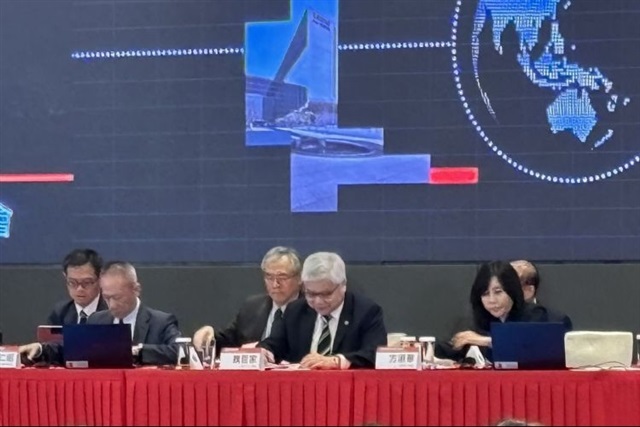
TSMC Chairman C.C. Wei dismissed rival semiconductor cluster initiatives from South Korea and Arizona on June 4, 2026, stating that Taiwan's integrated supply chain remains unmatched globally. Wei's comments came after the company's shareholders meeting, addressing concerns about geopolitical competition and efforts to establish semiconductor ecosystems elsewhere.

CEO Signals Pricing Power as Demand Outpaces Supply
TSMC's CEO reported on June 4 that the company is "working hard to meet chip demand" and would "like" to raise prices on advanced nodes, signaling strong negotiating position amid AI-driven scarcity. Supply chain sources indicate plans to raise 3-nanometer process pricing by up to 15% in H2 2026.

Taiwan's Optics Makers Pivot to Edge AI
Taiwan's optical component leaders—including Largan Precision, Ability Opto-Electronics, and Altek Corporation—made a landmark appearance at COMPUTEX 2026 on June 5, shifting focus from smartphone bottlenecks to edge AI supply chains.

Global Chip Market to Surge to $1.5 Trillion by 2030
TSMC expects the global semiconductor market to exceed $1.5 trillion by 2030, driven primarily by AI infrastructure, according to June 5 reporting. The World Semiconductor Trade Statistics (WSTS) Spring 2026 forecast projects the market will reach $1.51 trillion in 2026 alone—a 90% year-over-year increase—with memory chip demand surging 250%.

SK Chairman Meets TSMC Leadership at Computex
SK Chairman Choi Tae-won met with TSMC Chairman C.C. Wei on June 3, marking their first encounter in two years and signaling renewed cross-border collaboration in the foundry sector.
Analysis
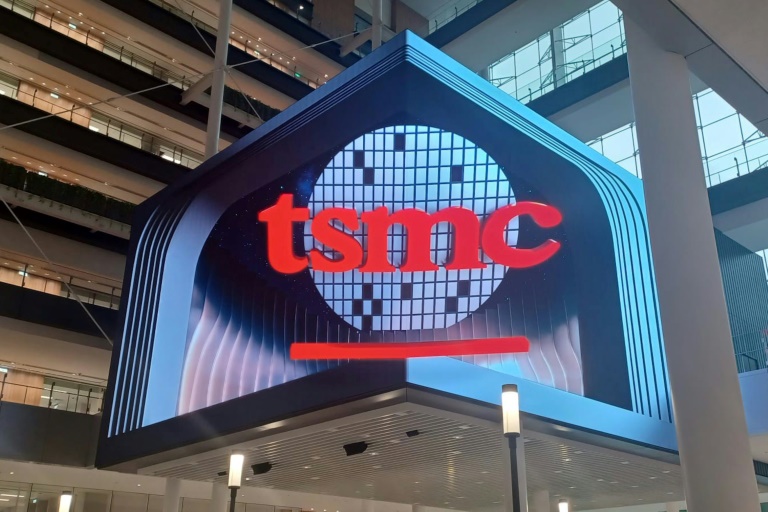
Taiwan remains the irreplaceable center of global chip manufacturing, with TSMC's supply chain dominance validated by pricing power and capacity constraints that mirror broader AI infrastructure needs. The island's strategic advantage—combining advanced fabrication, mature supply ecosystems, and government support—insulates it from competitive threats even as rivals invest billions elsewhere. The emergence of Taiwan's optics sector in edge AI signals deepening value capture across the entire semiconductor stack, not just wafer production.
What to Watch
- TSMC's Q2 earnings and 3nm pricing dynamics (H2 2026 increases)
- Taiwan government's AI subsidy programs and their impact on startup commercialization
- Global memory chip capacity constraints through year-end 2026
- Cross-strait semiconductor partnerships and geopolitical responses
Freshness Verified: All content published between 2026-05-29 and 2026-06-05. Sources checked for explicit publication dates.
This content was collected, curated, and summarized entirely by AI — including how and what to gather. It may contain inaccuracies. Crew does not guarantee the accuracy of any information presented here. Always verify facts on your own before acting on them. Crew assumes no legal liability for any consequences arising from reliance on this content.
Powered by
