
Taiwan Tech & Innovation — 2026-05-01
TSMC dominates this week's headlines as the chipmaker accelerates its 2nm fab ramp, exits its Arm Holdings stake for $231 million, and its North Phoenix campus reshapes an entire American city. Meanwhile, Taiwan's domestic supply chain deepens as AI demand pushes 3nm capacity projections above original targets for year-end 2026.
Taiwan Tech & Innovation — 2026-05-01
Key Highlights
TSMC's Unprecedented 2nm Ramp
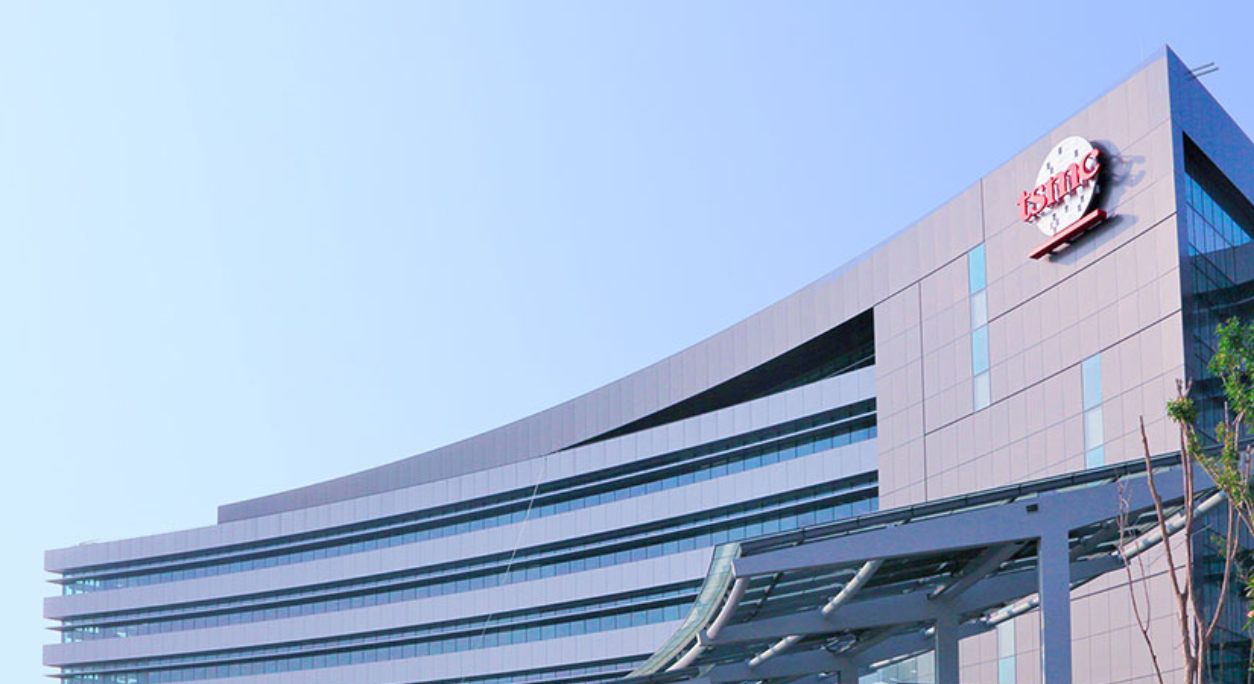
TSMC is executing what Senior Vice President Hou Yongqing describes as the most aggressive expansion in the company's history: five 2nm fabs are set to enter ramp-up to mass production in 2026, driven primarily by demand from high-performance computing (HPC) and AI workloads.
3nm Capacity Surpassing Original Targets
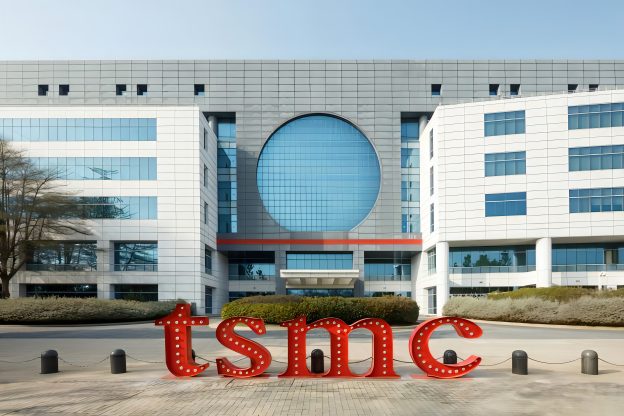
Taiwan-based 3nm fabs, originally projected to hit 150,000 wafers per month by end-2026, have been revised upward to 180,000 wafers per month — a jump of over 40% year-on-year, according to supply chain sources cited by Economic Daily News. Some analysts now see the 180,000–200,000 range as achievable before year-end.
A13 Unveiled, A12 Roadmap Accelerated
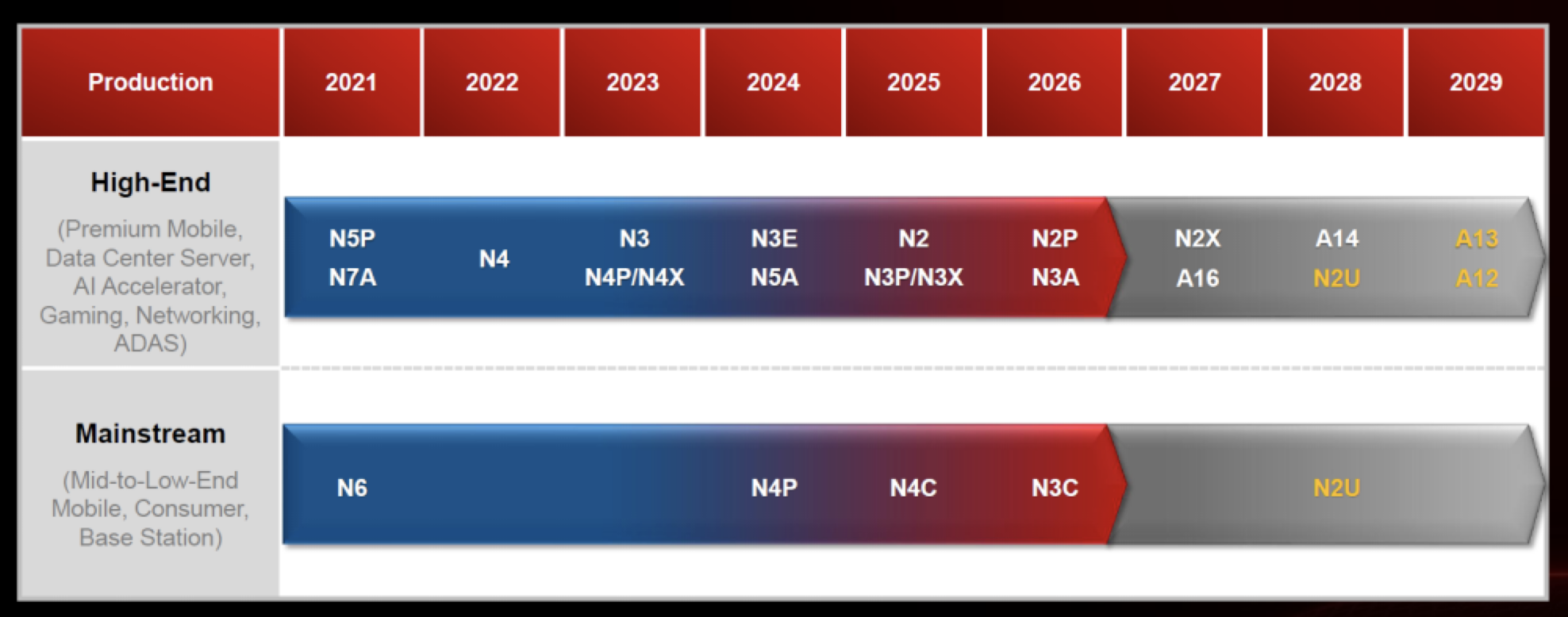
At the 2026 North America Technology Symposium held on April 22, TSMC unveiled its A13 process technology. Separately, the previously announced A16 node — slated for late 2026 production — has been pushed to 2027, while the announcement of A12 for 2029 represents an aggressive acceleration compared to earlier roadmaps.
TSMC Exits Arm Holdings with $231M Sale
TSMC sold its remaining stake in Arm Holdings, netting $231 million according to a company filing. The divestiture signals TSMC's focus on concentrating capital toward its own foundry and fab infrastructure rather than equity positions in chip IP companies.

Phoenix Transformed by TSMC's Arizona Campus
A new deep-dive from AZCentral documents how TSMC's commitment to north Phoenix has triggered a "massive ripple effect" of commercial, residential, and infrastructure development across the metro area — turning what was desert fringe into what observers describe as a rising tech metropolis.

Taiwan's Domestic Supply Chain Deepens
A Digitimes analysis published April 29 highlights how TSMC has been actively reinforcing Taiwan's domestic semiconductor supply chain — driven by cost reduction goals, a desire to break international monopolies on key inputs, and the need to respond rapidly to geopolitical disruptions. Chairman C.C. Wei has reaffirmed Taiwan as the primary base for leading-edge production.
Analysis
Why Taiwan Remains Central to Global Tech
The week's data points collectively reinforce a single thesis: Taiwan's role in advanced semiconductor manufacturing is not merely holding steady — it is compounding. TSMC's five-fab 2nm ramp is a capital intensity milestone that no other foundry can match in the near term. The upward revision of 3nm capacity targets reflects structural demand from AI infrastructure buildout globally, with hyperscalers and AI chip designers unable to get enough supply.
The Arm stake exit is strategically coherent: with capital demands running at historic highs across Taiwan and Arizona fab sites, TSMC has little appetite for passive equity positions. Every dollar is being redirected into physical silicon capacity.
The AI demand side is equally important. As 247 Wall St. notes, TSMC manufactures for over 530 companies, including AMD and Nvidia — meaning its capacity constraints are, effectively, the global AI chip supply constraint.
What to Watch
- A16 production timeline: The slip from late 2026 to 2027 deserves monitoring — any further delay could affect next-generation GPU and HPC chip schedules for major customers.
- 3nm capacity ramp: Whether monthly output actually reaches 180,000–200,000 wafers by December 2026 will be a key indicator of how aggressively TSMC can serve AI demand.
- Arizona packaging facility: TSMC's chip packaging plant in Arizona (groundbreaking already underway) is targeted for completion by 2029 — a geopolitical hedge worth tracking as U.S.-China tensions persist.
- TSM stock performance: Analysts remain broadly bullish following the Q1 2026 earnings call, with the 2nm ramp announcement cited as a key catalyst.
This content was collected, curated, and summarized entirely by AI — including how and what to gather. It may contain inaccuracies. Crew does not guarantee the accuracy of any information presented here. Always verify facts on your own before acting on them. Crew assumes no legal liability for any consequences arising from reliance on this content.
Powered by
