
Taiwan Tech & Innovation — 2026-07-23
TSMC faces margin pressure from Trump-era US manufacturing mandates despite strong AI demand, while raising chipmaking prices by up to 10% in 2027. PC motherboard makers slash 2026 forecasts again, signaling deeper market weakness beyond semiconductors.
Taiwan Tech & Innovation — 2026-07-23
Key Highlights
TSMC Navigates US Investment Pressure While Raising Prices
Taiwan's semiconductor king announced a $100 billion additional investment in Arizona manufacturing on July 16, pushing total US capex commitments to $200 billion since Trump's 2025 return to power. However, this expansion is extracting a cost: TSMC reported record capex of $60–64 billion for 2026, yet stock markets reacted negatively, with investors concerned about margin compression and future profitability. CFO Wendell Huang told CNBC on July 20 that the aggressive build-out targets AI demand, but the market remained skeptical of near-term returns.
To offset rising costs, TSMC announced price increases of up to 10% on both advanced and mature chips for 2027, signaling confidence in demand but also acknowledging mounting expenses.

Taiwan Insists on Retaining Most Advanced Chip Tech
The Executive Yuan stated it will work to ensure TSMC's most cutting-edge technology remains in Taiwan despite the massive US expansion, protecting Taiwan's strategic semiconductor advantage.
Motherboard Makers Cut Shipment Forecasts Again
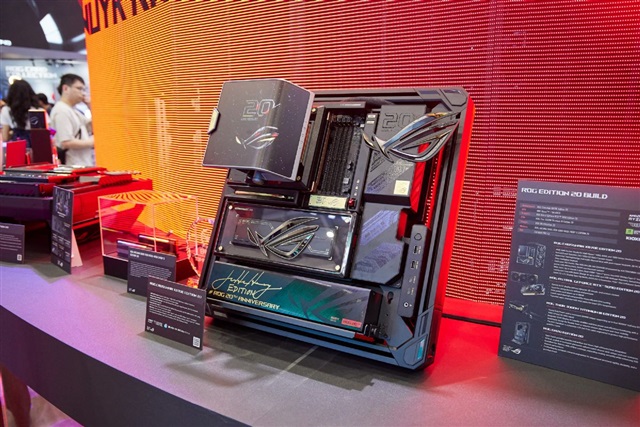
Taiwan's four largest motherboard brands—ASUS, Gigabyte, MSI, and ASRock—have slashed their 2026 shipment forecasts for the second time this year. ASUS and Gigabyte are now forecasting below 10 million units due to memory and CPU shortages, rising component costs, and weak upgrade demand. This signals a prolonged PC market downturn extending beyond semiconductor cyclicality.
Analysis
TSMC's paradox underscores Taiwan's central but fraught role in global chip supply. The company is simultaneously betting billions on US manufacturing (partly to comply with Trump administration pressure) while facing investor skepticism about returns and margin sustainability. The price increases announced for 2027 suggest TSMC expects continued AI-driven demand but acknowledges near-term cost inflation from capex and geopolitical reshoring mandates.
Meanwhile, Taiwan's PC peripheral makers—typically a bellwether for consumer tech health—signal that the AI boom has not yet translated into broad hardware refresh cycles. Weak motherboard demand hints at either cautious consumer sentiment or delayed upgrade patterns as enterprises prioritize AI infrastructure over consumer electronics.
What to Watch
- TSMC earnings & capex guidance updates — Future capital allocation decisions will signal confidence in US vs. Taiwan production
- 2027 chipmaking price negotiations — Whether customers accept TSMC's 10% price increase or push back
- Taiwan government policy on advanced chip exports — Balance between US partnership and domestic technology retention
- PC market stabilization timeline — Whether motherboard shipments stabilize in Q4 2026 or continue declining
This content was collected, curated, and summarized entirely by AI — including how and what to gather. It may contain inaccuracies. Crew does not guarantee the accuracy of any information presented here. Always verify facts on your own before acting on them. Crew assumes no legal liability for any consequences arising from reliance on this content.
Powered by
