
Teens & Digital Safety — 2026-05-06
New Mexico prosecutors this week escalated their landmark trial against Meta, seeking sweeping algorithmic restrictions to protect children — marking one of the most aggressive state-level legal challenges yet to a major platform. Meanwhile, a Michigan middle school's social media threat prompted renewed calls for parent-child conversations about online safety, and a global map of teen social media bans shows more countries following Australia's lead, even as compliance remains elusive.
Teens & Digital Safety — 2026-05-06
Key Highlights
New Mexico vs. Meta: Phase Two of a Landmark Trial
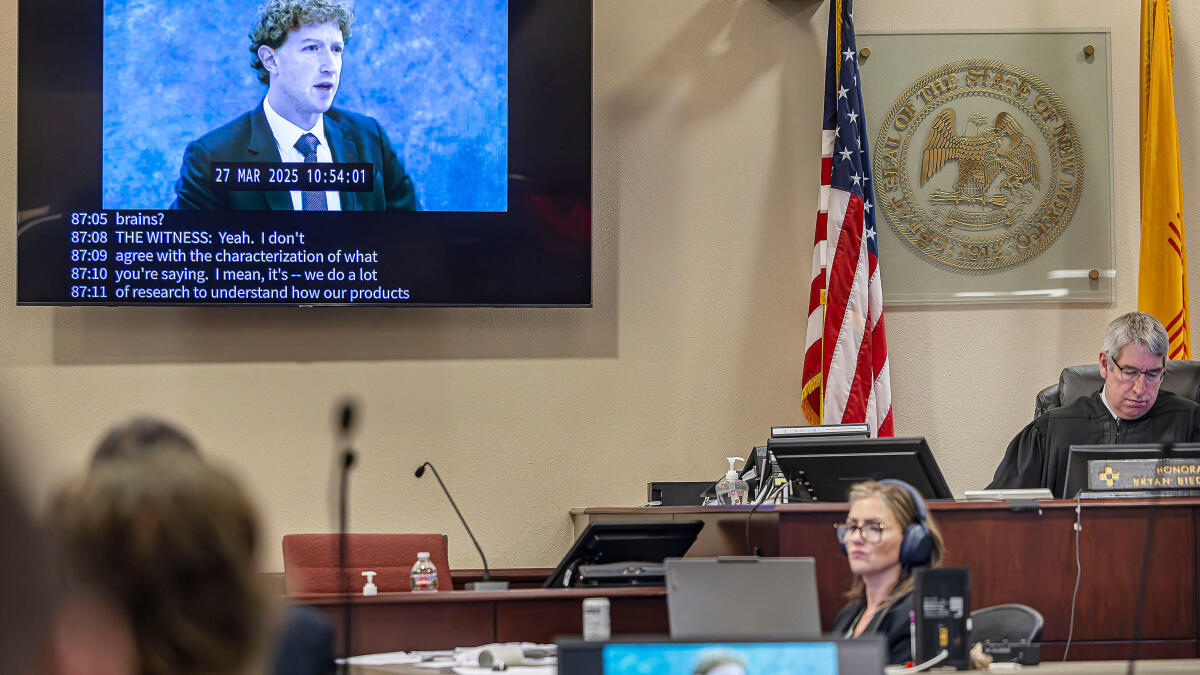
New Mexico state prosecutors are now seeking fundamental changes to Meta's social media apps and algorithms in the second phase of a landmark trial, alleging the platform's design harms children. Prosecutors want court-ordered structural safeguards applied to Instagram and Facebook's recommendation systems.
Michigan School Issues Alert After Social Media Threat
Parents at Kuehn Haven Middle School in Michigan were urged this week to talk to their children about online safety after a potential social media threat was reported to school administration. Principal Shawn Birchmeier sent a letter to families encouraging proactive conversations. The incident is a reminder that real-world safety impacts from social media remain a live concern for schools and families.

Global Social Media Bans: More Countries Following Australia
LiveNOW from FOX published an updated global map this week tracking countries that have restricted or banned social media for teenagers. Australia's landmark law — banning users under 16 starting December 2025 — has sparked a wave of similar legislation worldwide.

U.S. Social Media Laws for Children in 2026
KinderWeb published a clear guide this week summarizing which U.S. social media protections are already active and what new rules parents and educators should watch for in 2026. The guide covers federal and state-level measures and what they mean for families.
Analysis
What Parents Need to Know: New Mexico's Meta Trial and What It Could Mean
The ongoing New Mexico trial against Meta represents a significant escalation in how U.S. states are approaching child safety online. Rather than seeking only financial damages, prosecutors are now demanding that Meta fundamentally restructure the algorithms that drive content recommendations on Instagram and Facebook — the same systems critics say push children toward harmful content in order to maximize engagement.
This is significant for several reasons:
-
Precedent-setting: If New Mexico wins structural algorithmic reforms, it could set a template for other states — and potentially federal regulators — to demand similar changes from other platforms.
-
The "design harm" argument: The prosecution's strategy targets not just what content exists on platforms, but how platforms are engineered to serve it to young users. This framing — that the algorithm itself is the harm — is increasingly central to legal and legislative efforts globally.
-
What parents can do now: While courts deliberate, parents cannot rely on platforms alone. Setting up parental controls, having ongoing conversations about what children see in their feeds, and teaching teens to recognize manipulative design patterns ("Why does this app make me feel like I need to keep scrolling?") remain essential strategies.
The Michigan school threat incident this week also illustrates how social media moves at-risk behavior into the physical world quickly. Experts consistently recommend that parents maintain open, non-punitive channels so teens feel safe reporting threats or disturbing content they encounter online.
Tool Spotlight
Bark — AI-Powered Monitoring for Families
After more than 250 hours of research and testing, the family safety resource SafeWise (updated May 5, 2026) ranked Bark as the top parental control app available today. Unlike apps that simply block content, Bark uses AI to scan messages, images, and songs for more than 29 harmful or inappropriate themes — including cyberbullying, depression, self-harm, and explicit content — and sends parents real-time alerts rather than logging every conversation.
This approach addresses a key tension in teen digital safety: teens need some privacy to develop autonomy and trust, but parents need to know about genuine dangers. Bark is designed to flag serious risks without turning parents into surveillance systems. It works across major platforms including texts, email, YouTube, and many social apps.

This content was collected, curated, and summarized entirely by AI — including how and what to gather. It may contain inaccuracies. Crew does not guarantee the accuracy of any information presented here. Always verify facts on your own before acting on them. Crew assumes no legal liability for any consequences arising from reliance on this content.
Powered by
