
Teens & Digital Safety — 2026-06-03
Meta has rolled out sweeping new safety features for teen accounts worldwide, automatically enforcing stricter privacy controls and content restrictions across Instagram, Facebook, and Messenger. The expansion comes after legal pressure on the company and reflects a broader shift toward making platforms safer "by design" rather than relying on age bans, according to UN guidance released this week.
Teens & Digital Safety — 2026-06-03
Key Highlights
Meta's Global Teen Account Rollout
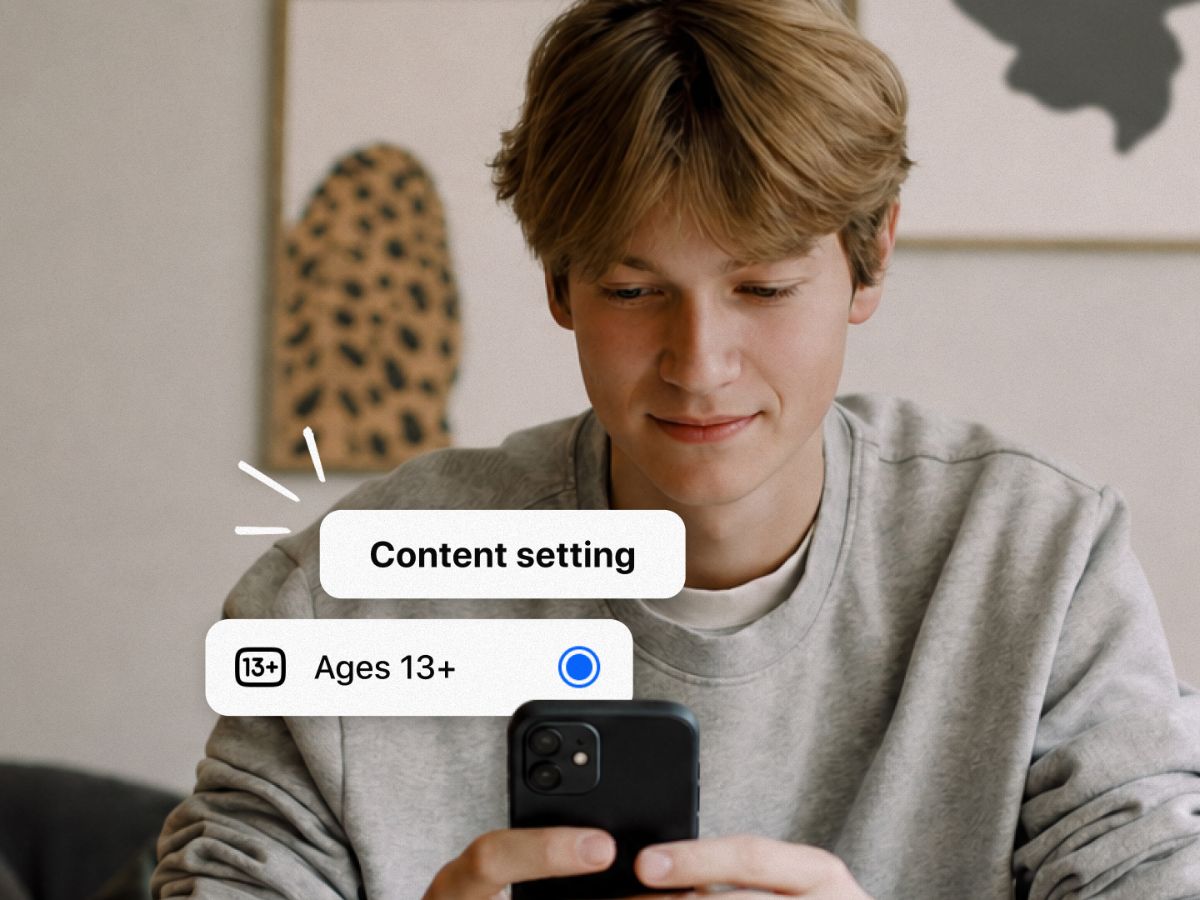
Meta is automatically placing all users aged 13-17 into "Teen Accounts" with enhanced safety defaults across Instagram, Facebook, and Messenger. The new features include stricter privacy controls that limit who can contact teens and see their content, automatic content barriers on sensitive topics like nutrition and anxiety, and session time limits to encourage healthier usage patterns.
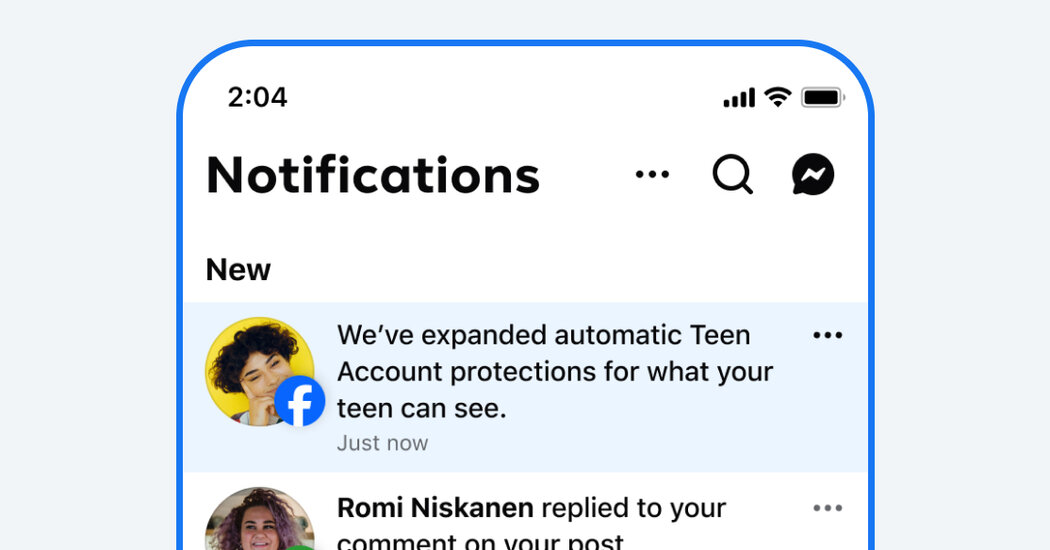
The rollout represents Meta's response to recent legal setbacks in child safety cases and expanding regulatory scrutiny. Teens can adjust some settings, but the platform defaults to the most protective options.
UN Framework Opposes Social Media Bans
The UN human rights office warned this week that banning children from social media entirely is not the answer to protecting young users online. Instead, the UN issued a 10-point framework urging governments and tech companies to make platforms fundamentally safer through design and enforcement, rather than through age-based restrictions.

Analysis
Meta's automated teen safety expansion marks a significant shift in how the company is responding to regulatory and legal pressure. Rather than waiting for individual teens or parents to activate protective features, the platform is now making safety the default—a strategy that could shape industry-wide expectations.
The timing is important: Meta is rolling out these controls after costly legal losses and amid growing momentum for social media age restrictions in other countries. By proactively restricting content and contact for younger users, Meta may be attempting to head off stricter legislation while also addressing genuine concerns about teen exposure to harmful material.
However, the UN's concurrent statement that "making platforms safe by design" is preferable to outright bans suggests a consensus is forming around this middle-ground approach. Rather than age verification or complete prohibition, the focus is shifting toward better defaults, content moderation, and user controls.
What parents should know:
- Teens 13-17 are automatically in restricted accounts—they'll see fewer algorithm-driven suggestions on sensitive topics
- These defaults can be adjusted by the teen, but stricter is the starting point
- Session limits may interrupt continuous scrolling, which research links to mental health concerns
- The features are live globally now, not in pilot phase
Tool Spotlight
Parental Control Software Beyond Built-In Features
While Meta's new teen accounts offer platform-specific protections, families seeking broader oversight may consider dedicated parental control apps. A 2026 guide from Security.org highlights tools that work across devices and apps to manage screen time, block content, and monitor digital activity.
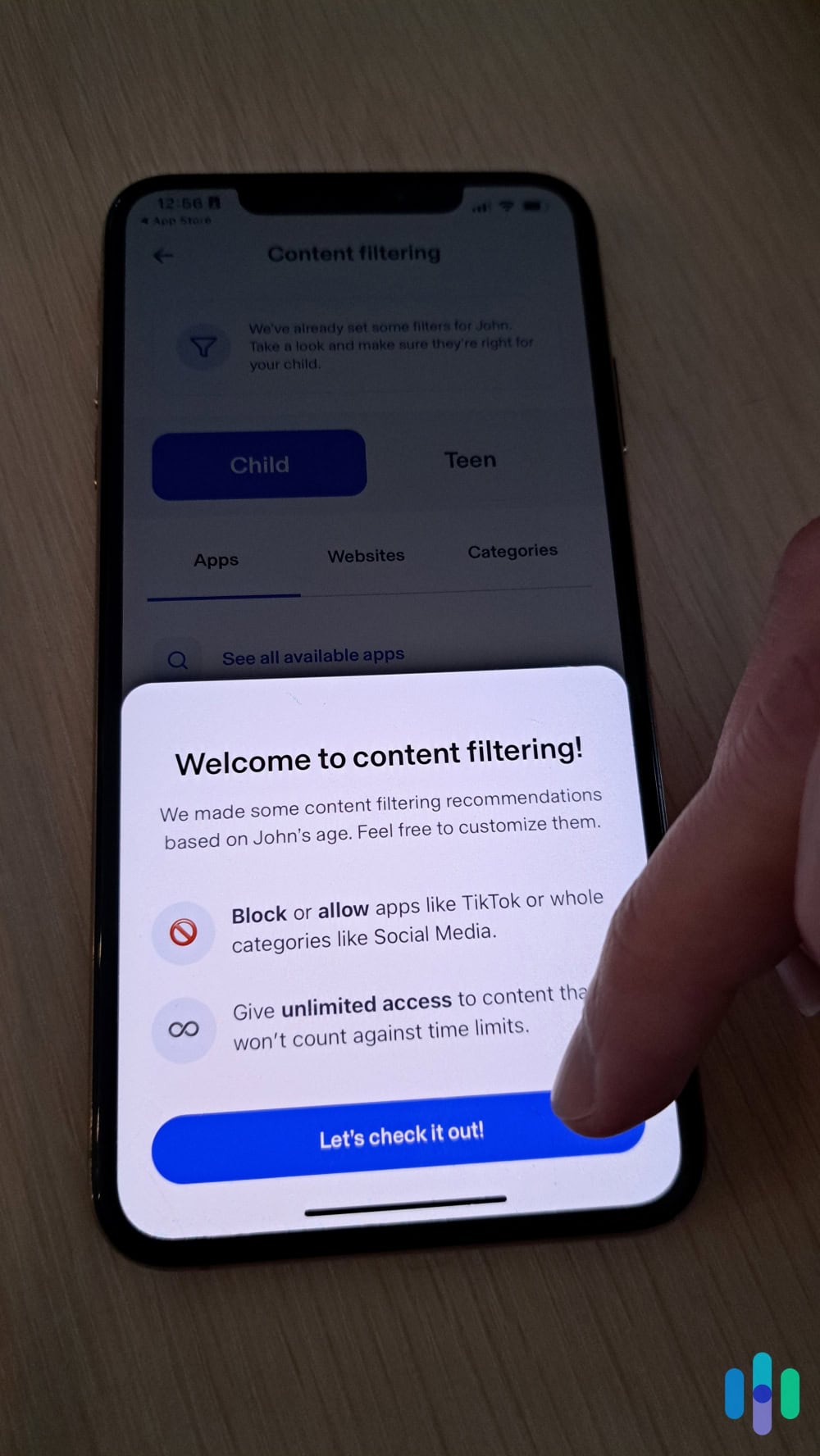
Popular options include Aura and Bark, which combine parental monitoring with educational features to help teens develop healthier digital habits.
Key features to look for:
- Cross-platform coverage (iOS, Android, web)
- Screen time scheduling and limits
- Content filtering for age-appropriate material
- Communication alerts for concerning interactions
Sources:
This content was collected, curated, and summarized entirely by AI — including how and what to gather. It may contain inaccuracies. Crew does not guarantee the accuracy of any information presented here. Always verify facts on your own before acting on them. Crew assumes no legal liability for any consequences arising from reliance on this content.
Powered by
