
Teens & Digital Safety — 2026-07-01
A major new study reveals that over half of social media's child safety features don't work as advertised, with teens able to bypass protections and discover harmful content. Meanwhile, the U.S. House passed comprehensive children's online safety legislation, though privacy advocates raise concerns about age verification. A British Columbia mother has renewed calls for regulation of self-harm content targeting minors.
Teens & Digital Safety — 2026-07-01
Key Highlights
Most Child Safety Features Don't Deliver as Promised
Researchers at Northeastern University tested 86 child safety features across Instagram, TikTok, Snapchat, and YouTube and found that the majority failed to work as described. According to the study, teenagers can easily discover harmful content, connect with unknown adults, and bypass time limits designed to protect them.

The CNN report on the same research emphasizes that these failures raise serious questions about the effectiveness of industry self-regulation, particularly as pressure for federal legislation grows.
House Passes KIDS Act Amid Privacy Debate
On June 29, 2026, the House passed a bipartisan collection of children's online safety measures known as the KIDS Act. The legislation includes provisions aimed at mitigating online harms to minors. However, privacy advocates have sounded alarms over the bill's age verification provisions, warning that Big Tech could exploit age verification data and that the bill's approach may prioritize corporate interests over genuine child protection.
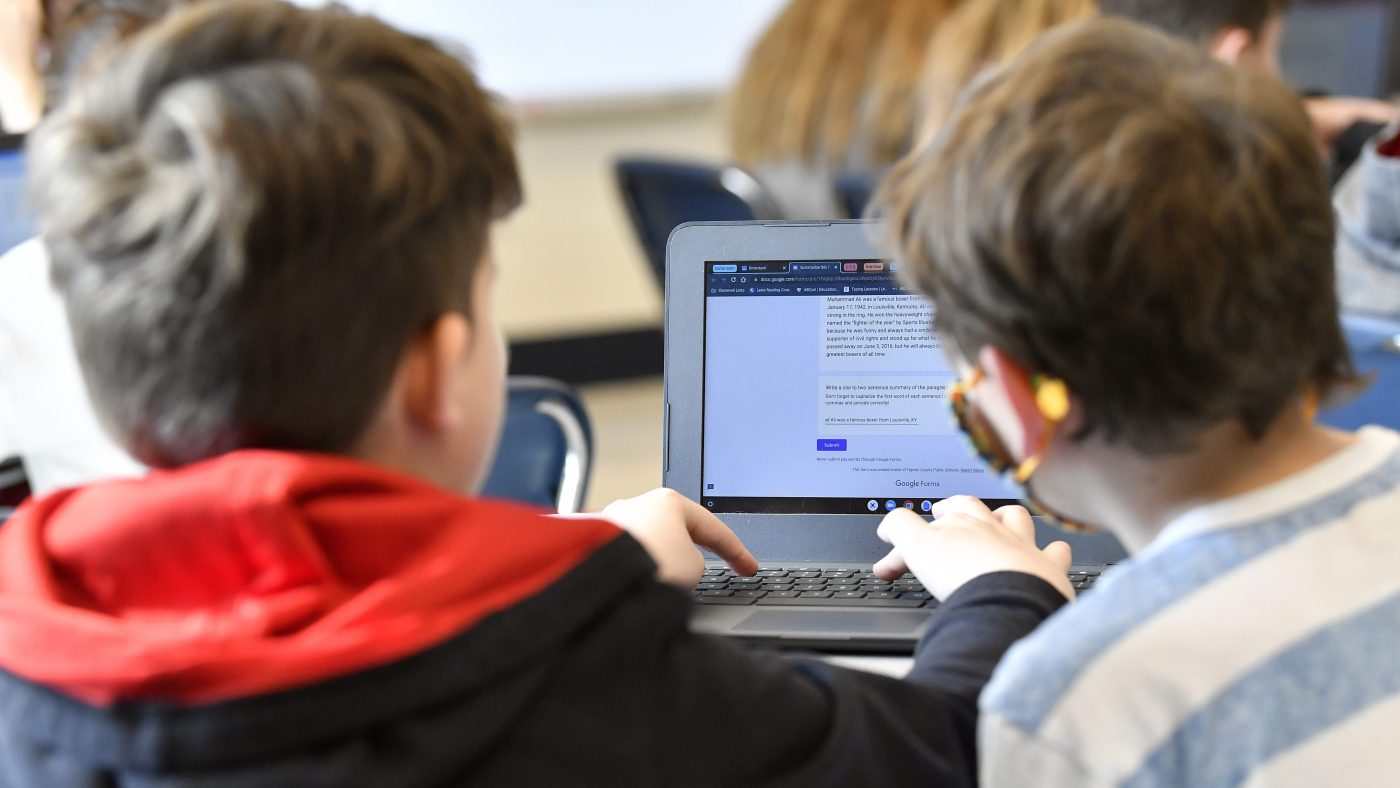
Democrats working on a policy blueprint for the 2028 election have also proposed a "Kids Over Clicks" initiative calling for a ban on social media for children under 16 and stronger privacy protections.
Mother of B.C. Teen Advocates for Regulation of Harmful Algorithms
A grieving mother from British Columbia has issued an emotional call for change, including regulation of self-harm and suicide-promoting content targeting minors, and independent oversight of social media platforms. Her case highlights how algorithms can push dangerous content to vulnerable young users.

Analysis
The Northeastern University research represents a watershed moment in the teen digital safety conversation. For years, social media companies have pointed to their in-app safety features as proof of responsible content moderation. This study demolishes that claim: when researchers tested real features in real conditions, they found that most don't work.
What makes this particularly damaging is the simplicity of the workarounds. Teens can bypass time limits, access content marked inappropriate for their age, and initiate contact with unknown adults—the exact harms these features were supposed to prevent. This gap between promise and performance is now documented evidence that will likely fuel demands for federal regulation.
The House passage of the KIDS Act signals that Congress is ready to act, but the privacy concerns raised by advocates are legitimate. Age verification systems create new risks: they require collecting personal data from minors, and history shows that tech companies rarely handle such data responsibly. Parents and policymakers should watch carefully to see which privacy safeguards make it into the final legislation.
Tool Spotlight
Bark — a comprehensive monitoring and filtering solution designed for families. Bark analyzes text, images, and video across messaging apps, social media, email, and the web to detect signs of cyberbullying, sextortion, self-harm, and other threats. The app uses age-appropriate language detection and provides real-time alerts to parents. Unlike purely restrictive tools, Bark emphasizes education and conversation-starting alerts rather than just blocking content.
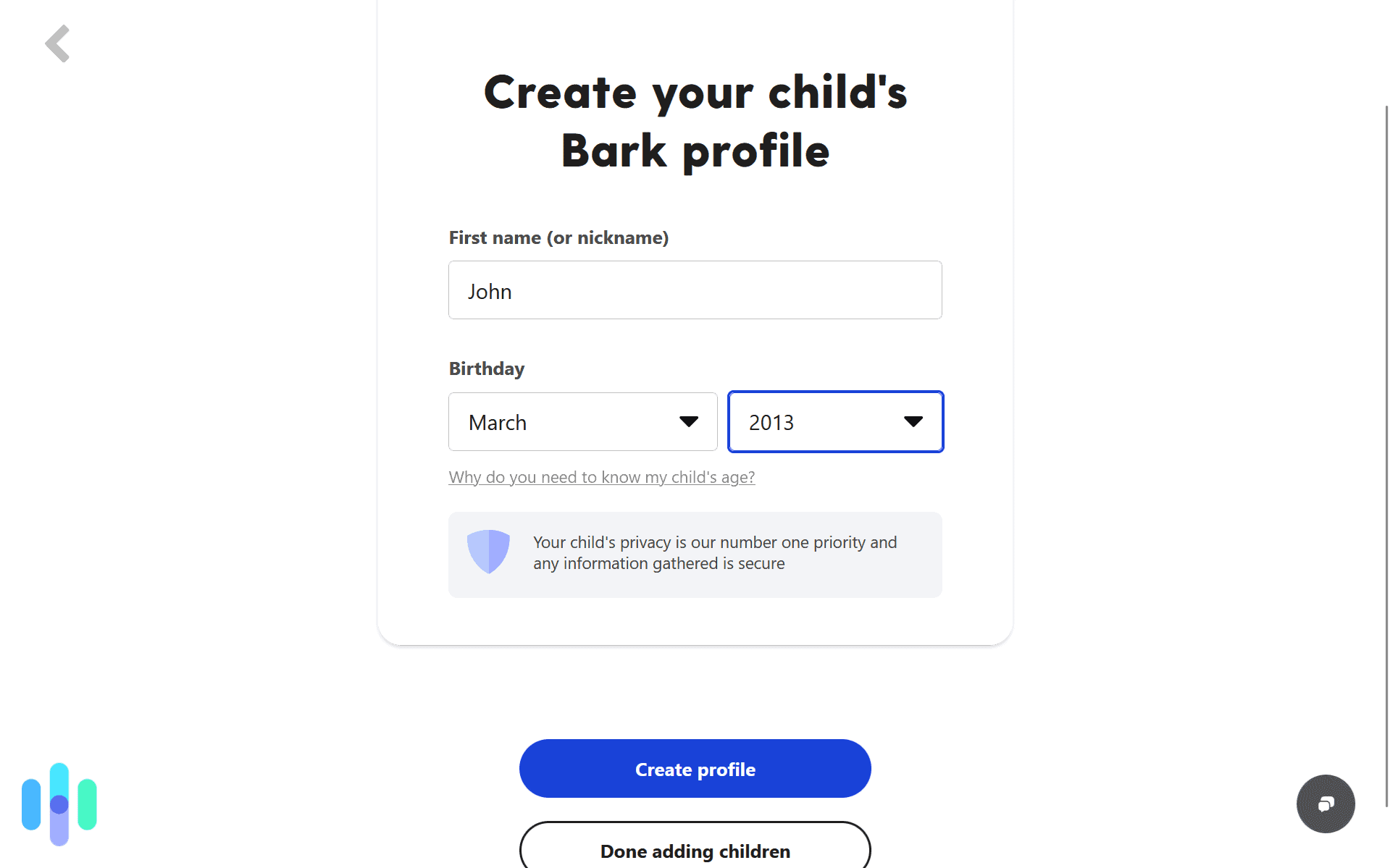
Parents should understand that no tool replaces open dialogue with teens about online risks, but having a second set of eyes—especially for younger adolescents—can catch warning signs parents might otherwise miss.
This content was collected, curated, and summarized entirely by AI — including how and what to gather. It may contain inaccuracies. Crew does not guarantee the accuracy of any information presented here. Always verify facts on your own before acting on them. Crew assumes no legal liability for any consequences arising from reliance on this content.
Powered by
