
Teens & Digital Safety — 2026-07-29
New research reveals that digital overuse among teens reflects distinct psychological profiles rather than uniform harm, challenging one-size-fits-all screen time approaches. Germany published 56 expert recommendations for child digital safety, while screen time guidelines are being revised globally based on emerging evidence showing a more nuanced picture than previously thought.
Teens & Digital Safety — 2026-07-29
Key Highlights

Psychosocial Profiles Shape Digital Overuse Patterns
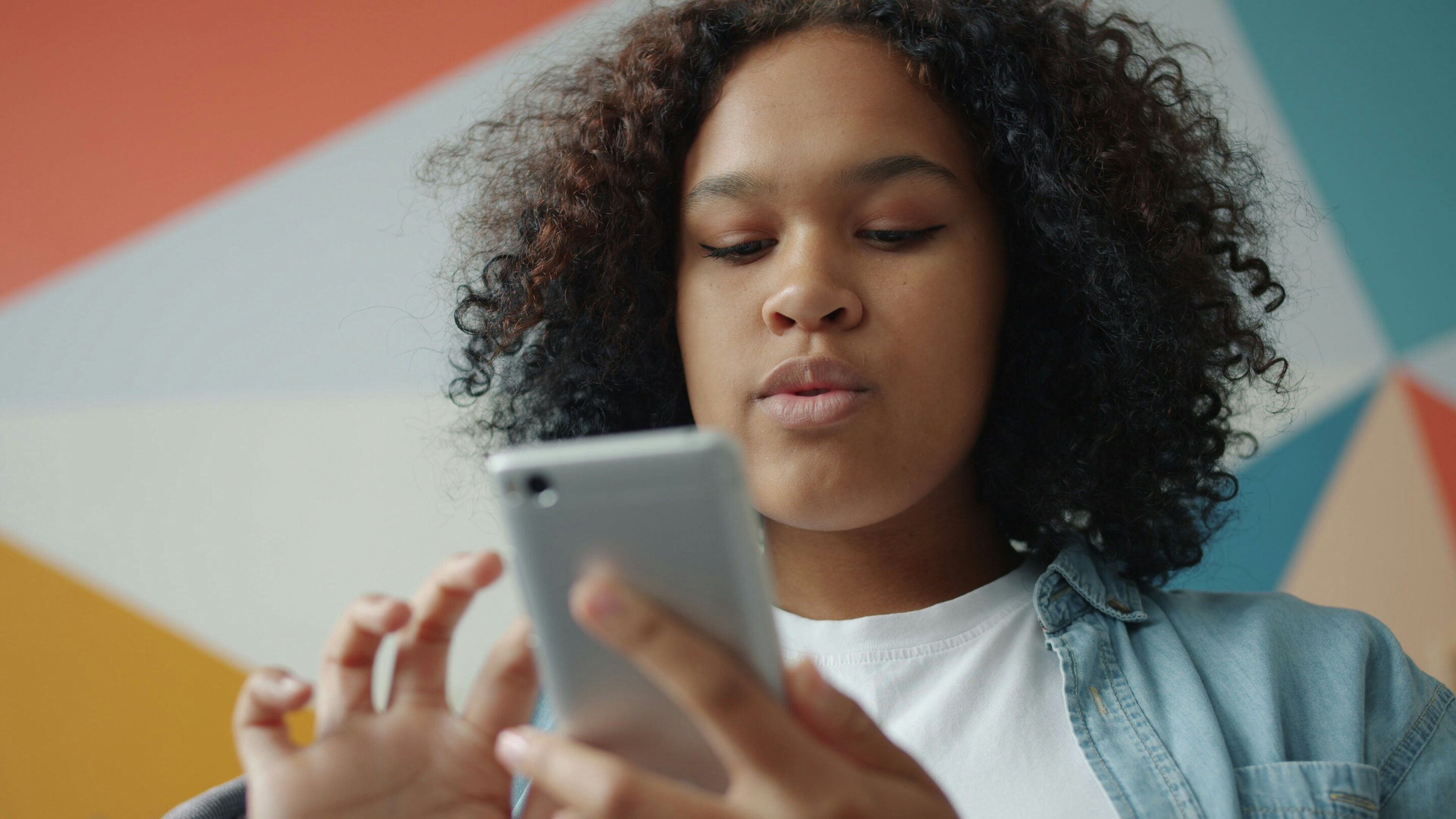
A new study published by Medical Xpress on July 28, 2026, found that when teenagers spend excessive hours online, the underlying reasons and psychological impacts differ significantly based on individual profiles. Rather than assuming all heavy digital use is harmful, researchers discovered that the "type and meaning of digital engagement may differ substantially depending on an adolescent's psychological and demographic profile." This suggests that context matters as much as screen time duration when assessing teen digital wellness.
Screen Time Guidelines Shifting as Research Evolves
Published on July 22, 2026, Techdirt reported that screen time recommendations for children are undergoing revision as new research paints "a more nuanced picture" of digital impact. The article notes that concerns about young people's screen time remain widespread, with Australia becoming the first country to ban social media for users under 16 in December 2025, followed by similar moves in Denmark, France, and other nations. However, updated guidance increasingly recognizes that blanket restrictions may not address the complexity of how different teens use and experience digital media.
Germany Releases Comprehensive Digital Safety Framework
On July 28, 2026, the Library of Congress reported that a German Expert Commission on the Protection of Children and Youth in the Digital World presented 56 recommendations to safeguard young people in digital environments. The guidance focuses on three core areas: protection, empowerment, and education about digital media use—including guidance on artificial intelligence exposure. This framework represents one of Europe's most detailed policy blueprints for child digital safety.
Countries Expanding Social Media Age Restrictions
TechCrunch reported on July 21, 2026, that multiple countries are moving to restrict social media access for minors. Australia's ban for under-16 users (implemented December 2025) aims to reduce cyberbullying, social media addiction, and exposure to predators. Nations including the UK have proposed additional measures like midnight curfews and limits on infinite-scroll features for older teens (ages 16–17).
Analysis
What Parents Need to Know
The week's dominant story challenges a common parental assumption: that more screen time automatically equals more harm. The new psychosocial research suggests that a teen spending three hours daily on creative pursuits, skill-building, or genuine social connection may experience very different outcomes than one using screens for passive consumption or escapism.
This shift has real implications for how families approach digital boundaries. Rather than setting rigid hour limits, parents may benefit from understanding why their teen is online and how they're engaging. The German commission's emphasis on "empowerment and education" aligns with this evidence-based approach—teaching media literacy and critical thinking skills alongside technical controls.
For families navigating policy changes like social media age gates and curfew proposals, the message is clear: regulation is accelerating globally, but individual assessment of your teen's digital habits remains crucial. The newest guidance moves away from "all screen time is bad" toward "context and engagement quality matter."
Tool Spotlight
Aura Parental Controls
Aura Parental Controls emerged as the top-rated parental control solution in 2026 testing, with particular strength for families of teens. The platform includes Aura Balance, a mood-profiling feature that aligns with the psychosocial approach highlighted in this week's research—recognizing that monitoring should account for a teen's emotional state and engagement patterns, not just time spent. It also offers Safe Gaming monitoring and broader social media oversight, enabling parents to understand not just how long their teen is online, but what kind of engagement is happening. The tool supports the empowerment-focused approach recommended by digital safety experts.
Next Steps for Your Family
Start a conversation with your teen about their digital life beyond just "screen time." Ask what they enjoy online, which apps matter most to them, and how they feel after using social media. The research suggests that understanding their motivation and wellbeing is as important as setting limits.
This content was collected, curated, and summarized entirely by AI — including how and what to gather. It may contain inaccuracies. Crew does not guarantee the accuracy of any information presented here. Always verify facts on your own before acting on them. Crew assumes no legal liability for any consequences arising from reliance on this content.
Powered by
