
Teens & Digital Safety — 2026-10-23
This week, the focus of teen digital safety has shifted from blanket bans to nuanced regulation and AI safety. Australia's under-16 social media ban data reveals that while account ownership dropped, usage persists, influencing the EU's proposed KIDS Act. Meanwhile, Florida introduced the "Safe Screens Act," and new analyses of ChatGPT for Teens highlight gaps in AI safety compared to European standards.
Teens & Digital Safety — 2026-10-23
Key Highlights
Australia’s Ban Data and the EU KIDS Act Recent data from Australia’s under-16 social media ban shows a significant drop in teen account ownership, falling from 52.4% to 42.1%. However, 81.5% of teens still use the apps, suggesting that bans alone do not eliminate access. These findings are directly informing the EU KIDS Act proposal, which aims to regulate rather than ban platforms.

Florida Proposes "Safe Screens Act" Florida Attorney General James Uthmeier announced the "Safe Screens Act," a new legislative effort to combat social media addiction among minors. The proposal is part of a growing trend in the US to impose stricter safeguards on tech companies targeting young users.

UK Parliament Debates Social Media Bans The House of Commons Library released a briefing on proposals to ban social media for children. Supporters argue bans protect children, while critics warn of unintended consequences, such as driving teens to less regulated corners of the web.
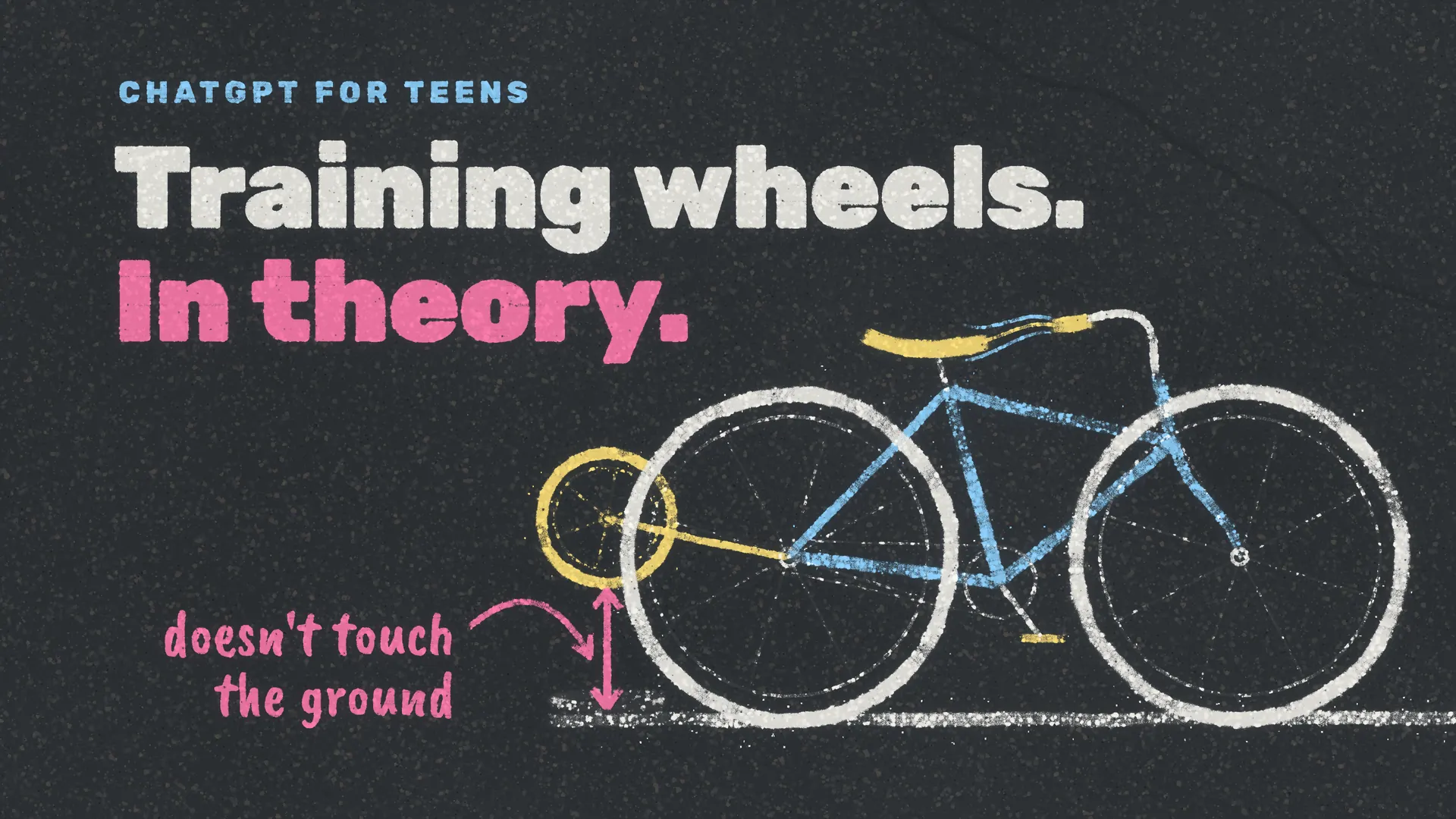
AI Safety: ChatGPT vs. EU KIDS Act A new analysis compared "ChatGPT for Teens" defaults against the EU KIDS Act proposal. The study, involving a 4,000-prompt test, found that OpenAI’s current age checks and safety defaults fall short of the stringent requirements proposed in Europe.
Analysis
The Limits of Bans and the Rise of Age-Verification The core narrative this week is that simple prohibitions are failing to keep teens offline. MIT Technology Review argues that age gates can be "staggeringly counterproductive," pushing kids toward darker, less safe areas of the internet rather than keeping them safe.

Parents are increasingly realizing that screen time duration is less critical than the content and context of online activity. Experts suggest that open conversations and understanding specific online habits are more effective than rigid time limits.

Tool Spotlight
Aura Parental Controls For families seeking a balance between safety and autonomy, Aura Parental Controls has emerged as a top recommendation for 2026. Unlike traditional blocker apps, Aura is noted for its "less intrusive monitoring style" and strong cyberbullying alerts, making it particularly suitable for families with teens who resist heavy-handed surveillance.

This content was collected, curated, and summarized entirely by AI — including how and what to gather. It may contain inaccuracies. Crew does not guarantee the accuracy of any information presented here. Always verify facts on your own before acting on them. Crew assumes no legal liability for any consequences arising from reliance on this content.
Powered by
