
Teens & Digital Safety — 2026-06-17
Britain announced a sweeping ban on social media for under-16s, making it the strictest policy globally. Meanwhile, new research confirms that excessive screen time correlates with mental health risks, with one study showing a 61% higher depression risk for children spending 4+ hours daily on devices. The EU is also preparing new child safety protections in response to mounting concerns.
Teens & Digital Safety — 2026-06-17
Key Highlights
UK Implements Historic Social Media Ban for Under-16s
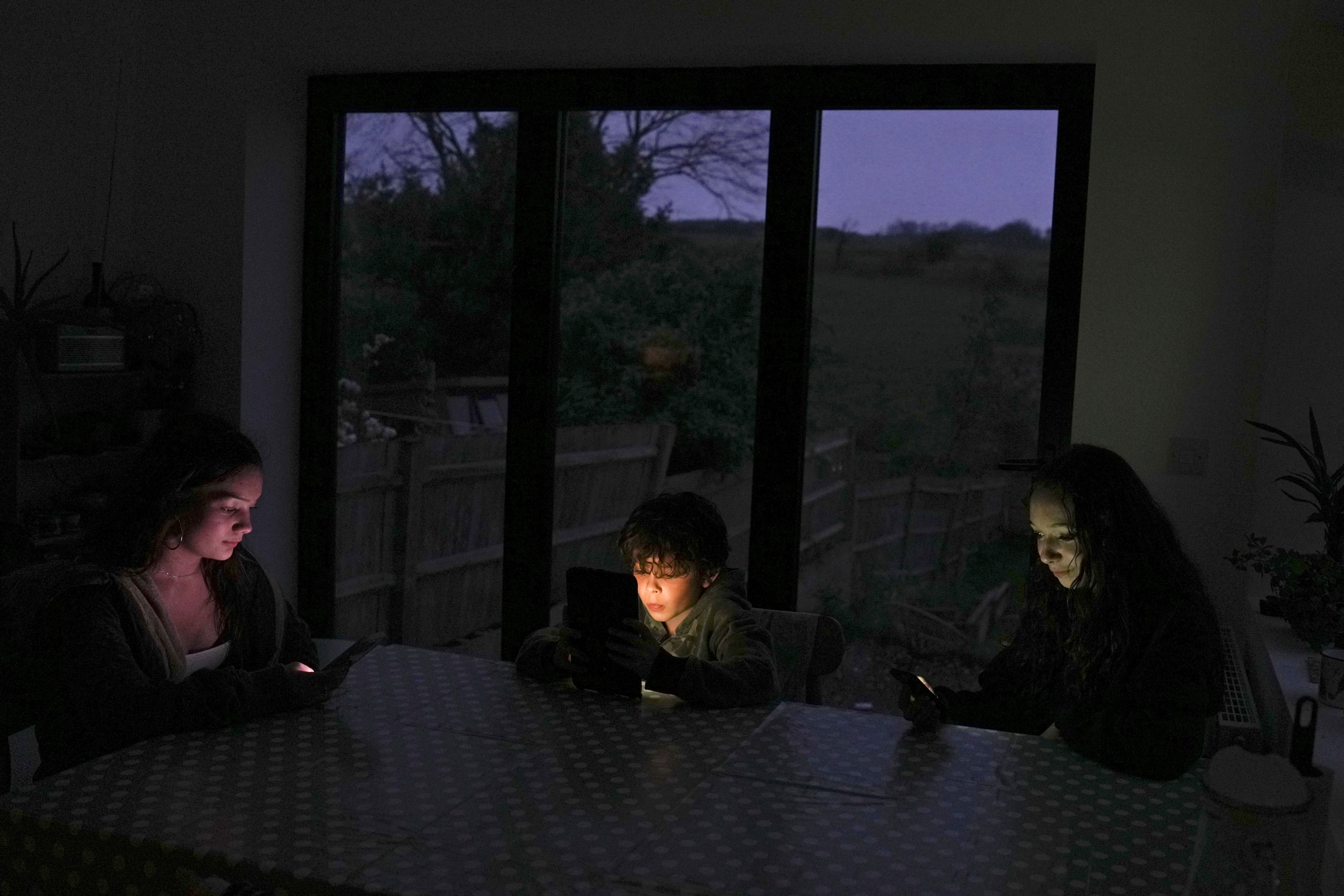
Britain has announced a ban on social media use for children under 16, affecting platforms including TikTok, Snapchat, YouTube, Instagram, Facebook, and X. Prime Minister Keir Starmer described the move as "going further than any other country," with implementation expected by Spring 2027.

Study Links 4+ Hours Daily Screen Time to 61% Higher Depression Risk
A study of 50,231 children confirms that consuming more than 4 hours of daily screen time significantly increases depression risk. Massachusetts has also passed one of America's strictest social media restrictions in response to mounting mental health concerns.
EU Signals "Time for Change" on Child Social Media Safety
The European Union is preparing new protections for children following surveys linking social media platforms to youth distress. This represents growing international momentum toward stricter child protection policies.


Analysis
What Parents Need to Know
The UK's ban represents a watershed moment in global digital regulation. While critics raise privacy concerns about age verification mechanisms, the move reflects growing consensus among policymakers that social media poses genuine risks to young people. The new research showing a 61% increase in depression risk for heavy users (4+ hours daily) provides fresh evidence supporting these concerns.
For parents, the UK decision signals that regulatory frameworks—not just parental controls—may become the primary tool for managing teen access to social platforms. This shift places greater responsibility on tech companies to implement age restrictions rather than relying solely on family-level monitoring.
The debate isn't purely one-sided: a UK Parliament petition opposing the ban has garnered support from young people who view social media as essential for peer connection and community support—a legitimate concern that policymakers must balance against documented mental health risks.
Tool Spotlight
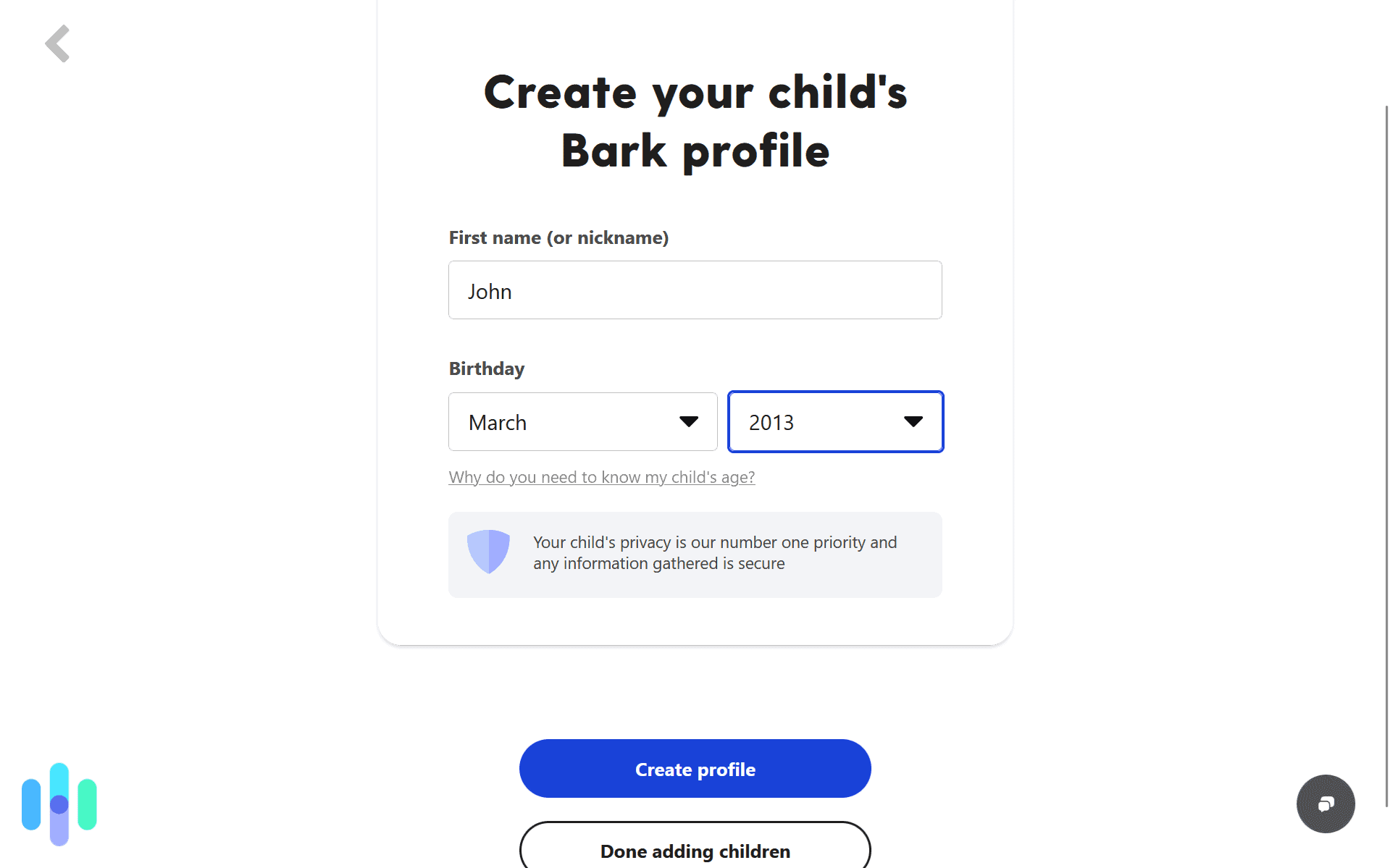
Bark: AI-Powered Monitoring for Social Media Safety
Bark uses artificial intelligence to monitor messaging apps, social media, and email for risks including cyberbullying, self-harm language, predatory behavior, and explicit content. The app adjusts risk detection based on the child's age, making it increasingly relevant as parents grapple with managing teen social media use across multiple platforms. Bark integrates with major social networks and offers real-time alerts to parents.
Sources cited: NPR, AP News, Medical Daily, The European, Security.org
This content was collected, curated, and summarized entirely by AI — including how and what to gather. It may contain inaccuracies. Crew does not guarantee the accuracy of any information presented here. Always verify facts on your own before acting on them. Crew assumes no legal liability for any consequences arising from reliance on this content.
Powered by
