
Teens & Digital Safety — 2026-10-21
Recent data from Australia's under-16 social media ban reveals that while account ownership dropped, significant usage persists, fueling debate over the EU's similar KIDS Act proposal. Concurrently, a new UK parliamentary briefing highlights the tension between blanket bans and nuanced age-aware internet design. Meanwhile, research continues to suggest that the content teens consume online matters more than simple screen time metrics for mental health.
Teens & Digital Safety — 2026-10-21
Key Highlights
Australia’s Ban Data Informs EU Policy Debate New data from Australia’s under-16 social media ban shows that teen account ownership fell from 52.4% to 42.1%. However, 81.5% of teens still use the apps despite the restrictions. This gap between account ownership and actual usage is now a central talking point for the EU’s proposed KIDS Act, which aims to implement similar safeguards across Europe.

UK Parliament Weighs Blanket Bans vs. Age-Aware Design The House of Commons Library released a briefing on proposals to ban social media for children. Supporters argue a total ban protects children, while critics warn of unintended consequences. Instead of "placing the same barrier in front of every user," experts suggest platforms should adapt experiences to the user's age, a concept known as "age-aware internet" design.

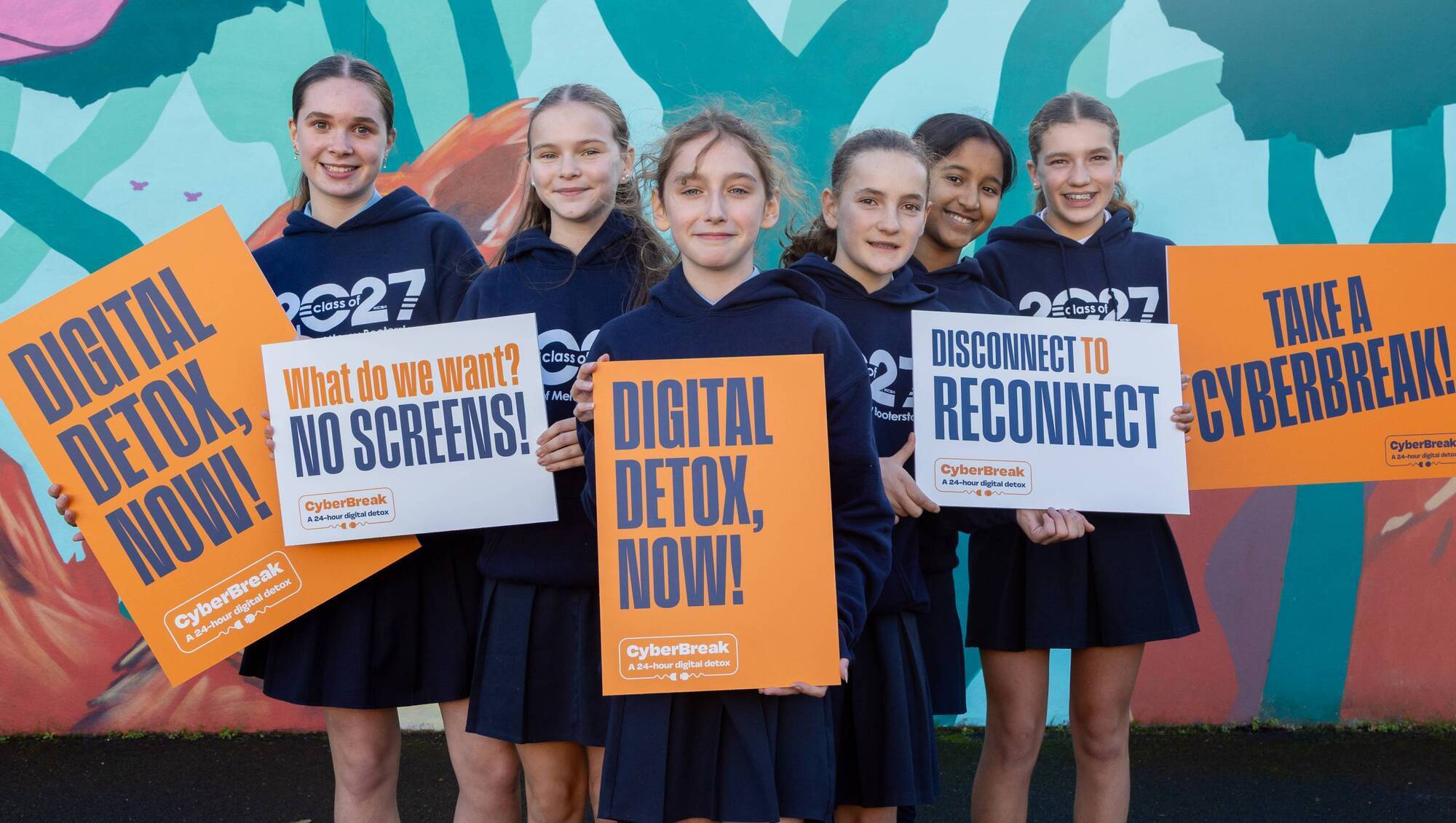
Lack of Parental Controls for Pre-Teens A survey by CyberSafeKids, published to launch the CyberBreak 2026 digital detox initiative, found that more than one-third of children aged 8–12 have no time restrictions on their online activity. This highlights a significant gap in digital safety implementation for younger demographics.
Analysis
Why Screen Time Metrics Are Insufficient Parents are increasingly advised to look beyond total screen time. Recent discussions emphasize that what teens do online is a stronger predictor of well-being than how long they are online. A Psychology Today article notes that focusing solely on screen duration misses the nuanced impacts of content and interaction.
Additionally, a House of Lords Library briefing on screens, AI, and social media highlights that these technologies have both positive and negative effects. The primary concern remains the overall impact on health, development, and safety, rather than just the volume of usage.

The Persistence of Usage Despite Bans The Australian data suggests that while bans reduce the formal entry into social media (account ownership), they do not necessarily stop the informal usage (using apps without accounts or via other means). This complicates the "Tool Spotlight" strategy for parents, as monitoring tools may not catch all activity if teens use platforms without creating accounts.
Tool Spotlight
Aura Parental Controls For families seeking balanced monitoring, AllAboutCookies has named Aura Parental Controls as their top pick for 2026. The app is noted for its "less intrusive monitoring style," providing useful behavioral insights and strong cyberbullying alerts. It is specifically recommended for families with teens, where trust and autonomy are critical considerations alongside safety.

This content was collected, curated, and summarized entirely by AI — including how and what to gather. It may contain inaccuracies. Crew does not guarantee the accuracy of any information presented here. Always verify facts on your own before acting on them. Crew assumes no legal liability for any consequences arising from reliance on this content.
Powered by
