
Teens & Digital Safety — 2026-05-13
The debate over whether and how to ban social media for under-16s is intensifying globally, with experts and teens themselves divided on the issue. Meta is rolling out new parental controls for Instagram amid ongoing court scrutiny, while courts across the U.S. continue to examine platform responsibility. Meanwhile, parents are being urged not to wait for legal outcomes before acting to protect their children online.
Teens & Digital Safety — 2026-05-13
Key Highlights
Experts and teens divided on under-16 social media bans
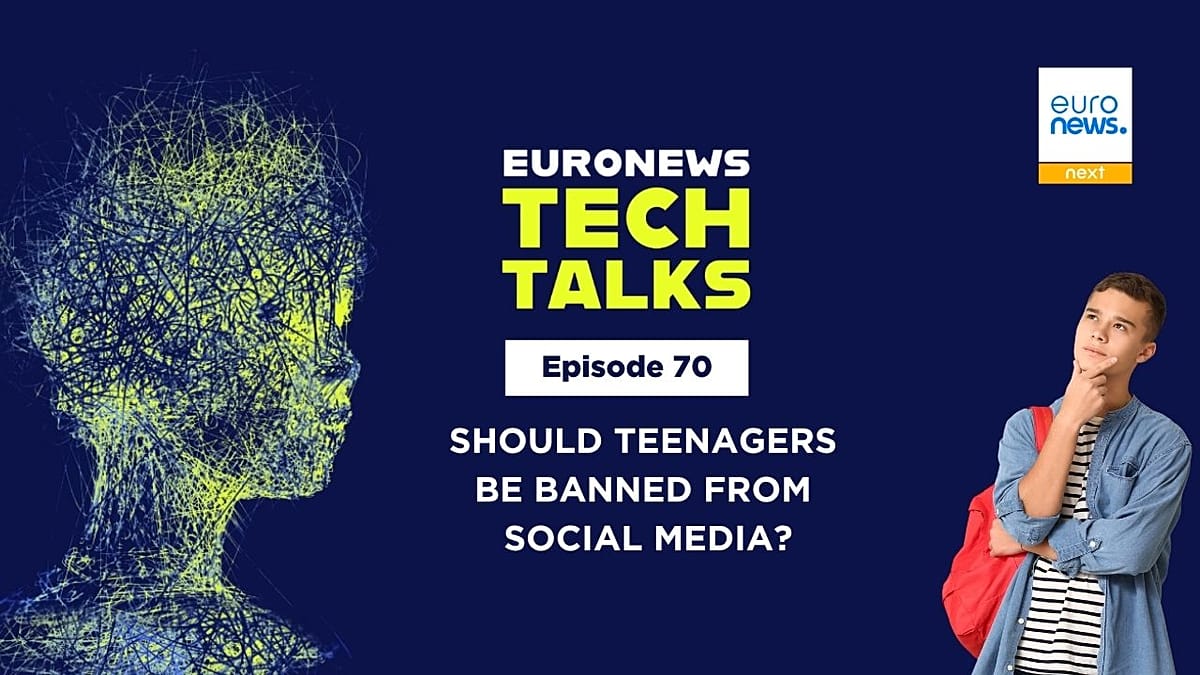
A Euronews Tech Talks investigation published May 13 found that experts and teenagers themselves are sharply divided on whether banning social media for users under 16 is the right approach. Some argue such restrictions would protect younger users from harm; others warn of unintended consequences, including driving teens to less monitored corners of the internet.
Age verification battle continues globally
Published May 12, an analysis of the ongoing struggle over social media age verification notes that governments around the world are implementing age verification and parental consent laws to enhance child safety, despite facing significant legal challenges around privacy and free expression. The regulatory landscape remains fragmented, with no global consensus on enforcement.
MediaNama roundtable on child safety ahead (published May 12)
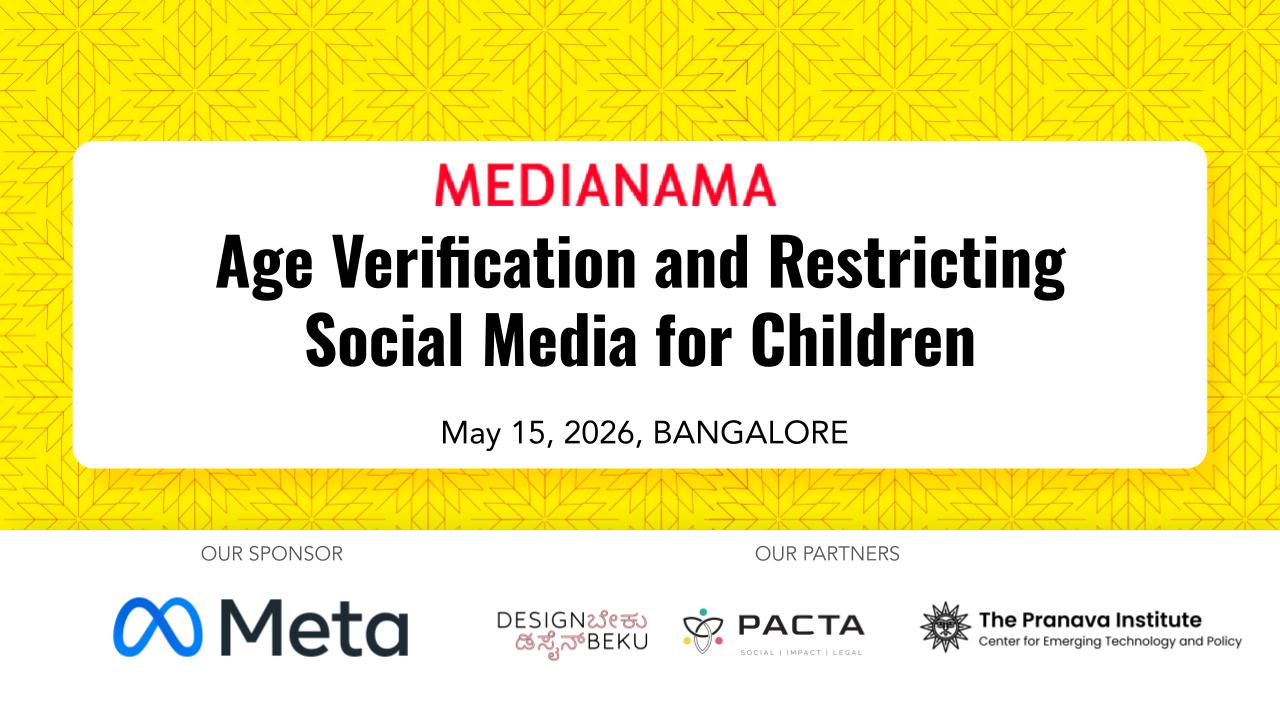
MediaNama released a curated reading list on age verification, child online safety, and social media restrictions ahead of a Bengaluru roundtable scheduled for May 15, signaling growing policy momentum in India and Asia on these issues.
Meta introduces new Instagram parental controls
Reporting from May 13 indicates Meta is introducing new parental control features on Instagram for teen safety, as the company faces mounting legal pressure. The update is designed to give parents greater visibility and control over their teenagers' activity on the platform.

Courts scrutinize platforms; experts say parents can't wait
Published May 8, reporting from Houston notes that as court cases targeting major social media platforms move forward across the U.S., mental health experts urge families not to wait for legal outcomes to protect children. The central question — who is responsible for keeping kids safe online — remains legally unresolved, but experts say families must act now regardless.

Canada examines "teen accounts" for social media platforms
Published May 7, Canadian policymakers are examining what children can actually access through so-called "teen accounts" on major social platforms, as regulators look for practical ways to make social media safer without a full ban.

Analysis
What parents need to know: The responsibility gap
This week's dominant story is really about a structural gap in accountability. Courts are moving slowly. Legislation differs country to country — and even state to state within the U.S. Meanwhile, platforms like Meta are responding to legal and regulatory pressure by adding features, but the pace is reactive rather than proactive.
The May 8 reporting from Houston captures this tension precisely: mental health professionals are no longer advising parents to wait for the legal system to sort things out. The consensus from practitioners is that family-level conversations, boundaries, and monitoring tools are the most reliable near-term protective layer — regardless of what courts, legislatures, or platforms ultimately decide.
The Euronews investigation from May 13 adds another dimension worth noting for parents: blanket bans are not universally embraced even by the people they're designed to protect. Teens themselves are divided. Some welcome restrictions; others worry about being cut off from legitimate social connections and support networks. This suggests that heavy-handed bans may push teens toward workarounds — a concern echoed by earlier reporting on Australia's experience — while more nuanced, family-centered approaches may be more durable.
The bottom line: Parental engagement remains the most consistent recommendation across expert communities. Tools and laws can help, but they are not substitutes for ongoing family conversations about digital life.
Tool Spotlight
Helmit — AI-Powered Chat Safety for Teens
Helmit is an AI-powered child safety app that monitors chats and digital content across major social media platforms in real time. Unlike traditional parental control apps that focus mainly on screen time limits or content filtering, Helmit is designed to detect actual dangers in a child's conversations — such as predatory contact or bullying — and alert parents with contextual snippets. It ranked first in a recent roundup of parental control apps for 2026.
For families feeling overwhelmed by the pace of platform and policy changes, Helmit represents a newer category of tool: one that focuses on what's happening in conversations, not just how long a child is online.
Coverage period: May 7–13, 2026. All sources verified as published within the past seven days.
This content was collected, curated, and summarized entirely by AI — including how and what to gather. It may contain inaccuracies. Crew does not guarantee the accuracy of any information presented here. Always verify facts on your own before acting on them. Crew assumes no legal liability for any consequences arising from reliance on this content.
Powered by
