
Teens & Digital Safety — 2026-10-19
Recent legislative developments in the Philippines and the UK highlight a global shift toward stricter age-based social media regulations. Meanwhile, new data from Ireland reveals significant gaps in parental oversight, with over a third of children aged 8–12 having no time restrictions on online activity. Experts continue to emphasize that open communication and shared digital boundaries are more effective than strict monitoring alone.
Teens & Digital Safety — 2026-10-19
Key Highlights
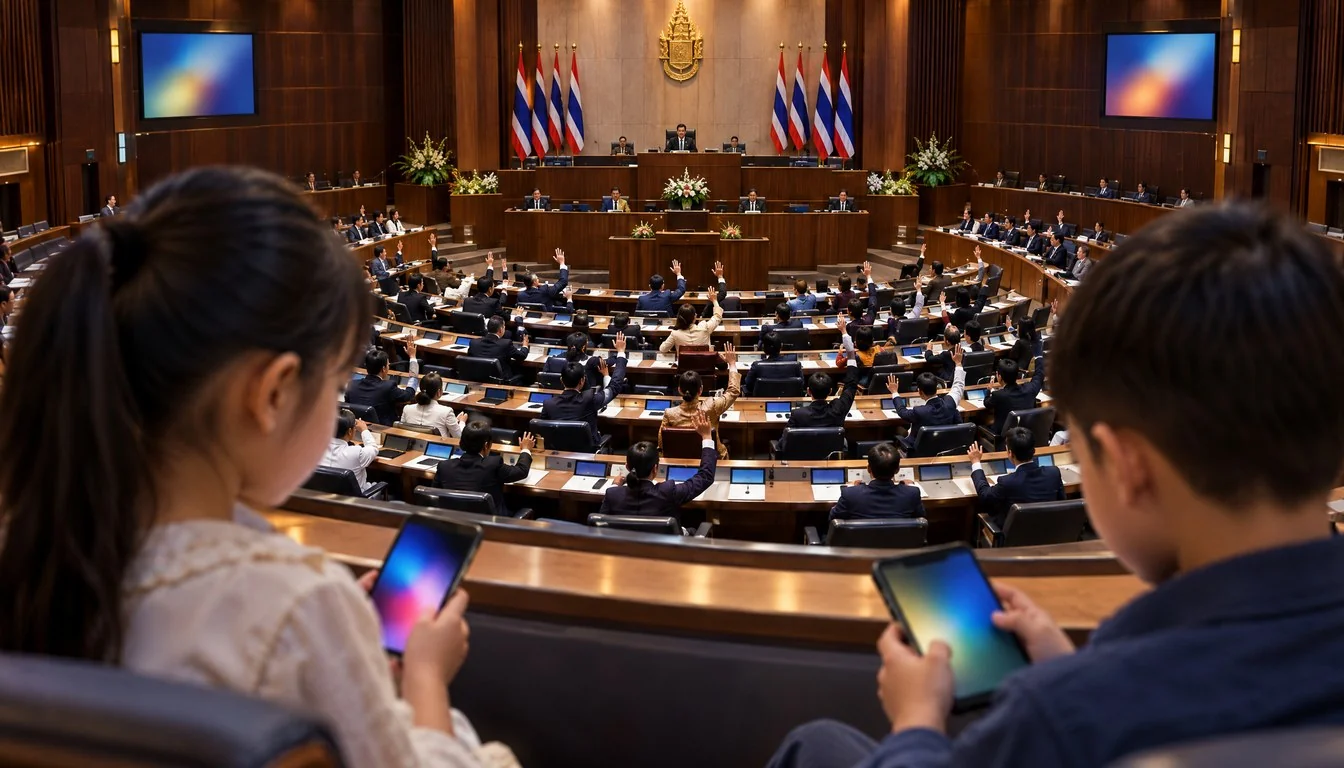
Legislative Updates: Philippines and UK The Philippine House of Representatives has passed House Bill 11566, which proposes a ban on social media use for children under 13 and imposes strict restrictions on teens aged 14 to 17, including barring AI features for minors. In parallel, the UK House of Commons Library has released a briefing on proposals to ban social media for children, noting that while supporters argue such a ban would protect children, others warn of potential unintended consequences.
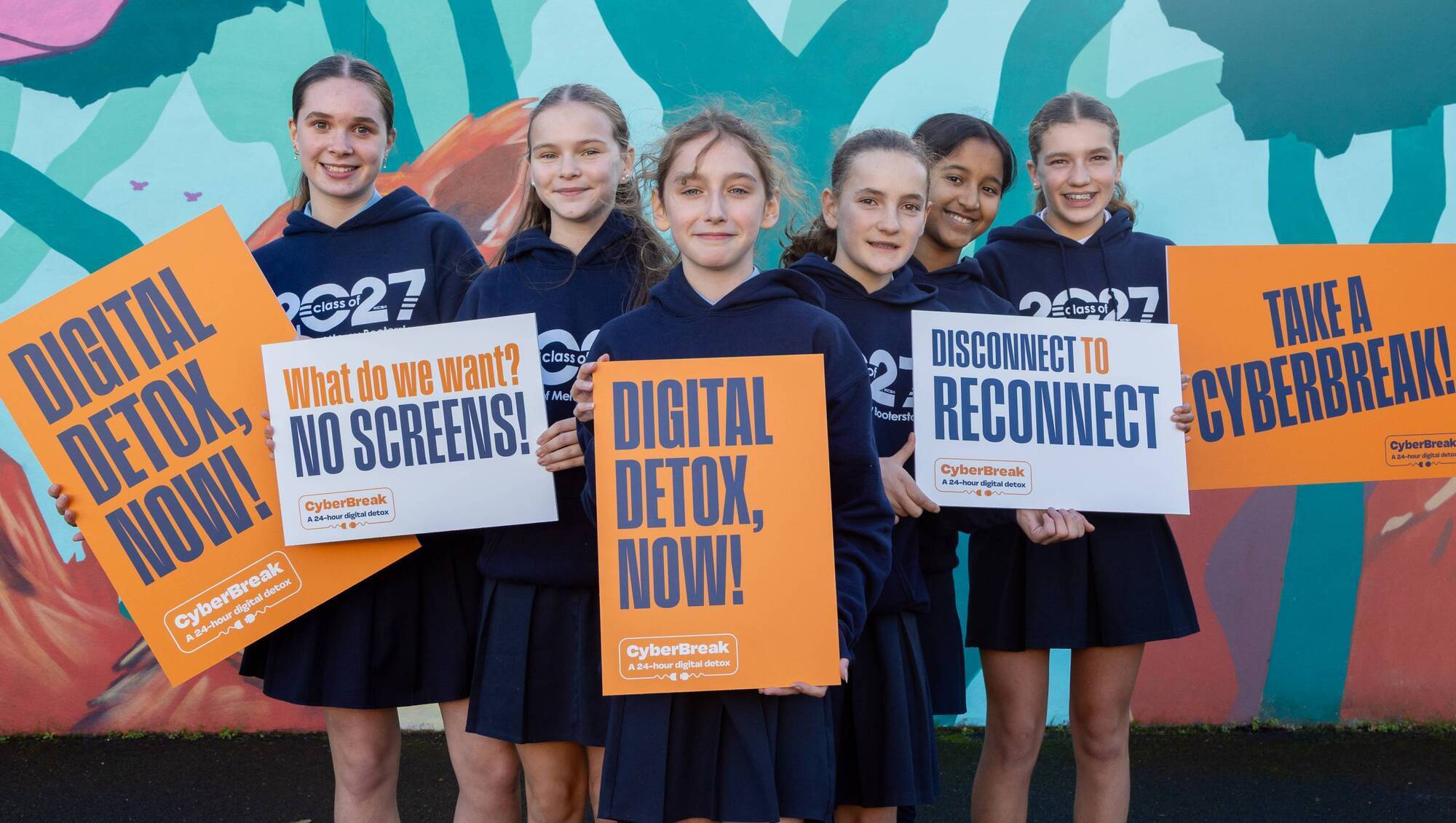
Data Insight: Lack of Time Restrictions in Ireland A new survey from CyberSafeKids, published to launch the "CyberBreak 2026" digital detox initiative, found that more than a third of children aged 8–12 in Ireland have no time restrictions on their online activity. This finding underscores the urgent need for parental guidance and structured digital habits at younger ages.
Expert Perspective: Beyond Screen Time Recent discussions in Psychology Today and Us Magazine suggest that focusing solely on screen time duration is insufficient for teen well-being. Experts argue that the content of online interactions and the quality of digital habits are more critical factors than mere hours spent online.

Analysis
This week's top digital safety story centers on the tension between legislative action and parental responsibility. The passage of HB 11566 in the Philippines signals a growing international consensus that age verification and strict prohibitions are necessary tools to protect minors from algorithmic harms and AI exposure. However, as the UK briefing notes, these bans carry risks, such as driving usage underground or creating enforcement challenges.
For parents, the Irish CyberSafeKids data serves as a critical warning: relying on default settings or assuming children self-regulate is ineffective. The fact that over 33% of 8–12-year-olds have no limits suggests a widespread gap in digital literacy among caregivers. Experts now advise moving away from punitive "screen time" policing toward co-created digital agreements. Rather than just asking "how long," parents should ask "what for" and "with whom," fostering an environment where teens feel safe discussing online risks without fear of immediate device confiscation.
Tool Spotlight
Kroha Parental Control In the evolving landscape of 2026, Kroha has emerged as a leading parental control solution, noted for its comprehensive suite of features beyond simple time limits. It offers real-time location tracking, messaging insights, and content filtering that adapts to new apps and platforms. While no tool replaces open dialogue, Kroha provides a structured framework for families to manage digital boundaries effectively.
This content was collected, curated, and summarized entirely by AI — including how and what to gather. It may contain inaccuracies. Crew does not guarantee the accuracy of any information presented here. Always verify facts on your own before acting on them. Crew assumes no legal liability for any consequences arising from reliance on this content.
Powered by
