
This Week in History — 2026-11-11
This week marks significant anniversaries, including the 100th anniversary of the U.S. Numbered Highway System and the 407th anniversary of the Mayflower Compact. As Veterans Day approaches, historical records highlight the origins of modern infrastructure and foundational social contracts that continue to shape society today.
This Week in History — 2026-11-11
<!-- headline -->Key Dates
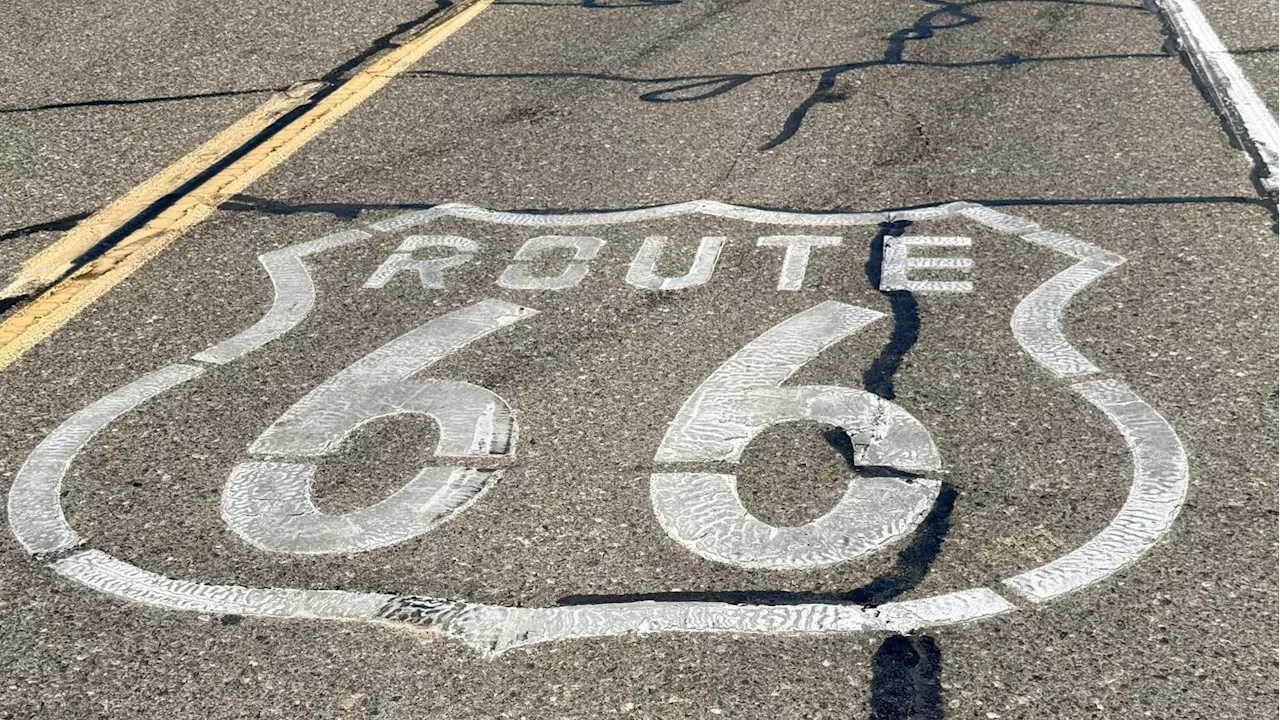
- November 11, 1926: The United States Numbered Highway System was established, officially creating the iconic Route 66 stretching from Chicago to Santa Monica. This system laid the groundwork for the eventual Interstate Highway System established in 1956.
- November 11, 1620: The Mayflower Compact was signed, a groundbreaking social contract where settlers agreed to abide by laws created for the general good of the colony, marking a pivotal moment in anthropological and political history.
- November 11, 1918: World War I ended, leading to the establishment of what is now known as Veterans Day in the United States. This day serves as a focal point for ceremonies honoring military service members across the nation.
- November 1, 1956: Rajyotsava (Formation Day) is observed in Karnataka, India, commemorating the formation of the state.
- November 4: Historical records note various events including aviation accidents and political developments, such as the activities of the Iron Column during the Spanish Civil War, as documented in recent archival retrievals.
Deep Dive
The Centennial of Route 66
This week, November 11, 2026, marks exactly 100 years since the establishment of the United States Numbered Highway System. On this date in 1926, the U.S. government formally designated Route 66, connecting Chicago, Illinois, to Santa Monica, California. This initiative was not merely about paving roads; it represented a fundamental shift in American mobility, commerce, and culture. The highway became a symbol of migration and opportunity, particularly during the Dust Bowl era and subsequent economic shifts.
While the Interstate Highway System later supplemented this network in 1956, the original numbered system remains a testament to early 20th-century infrastructure planning. The centennial highlights how these early routes facilitated the movement of people and goods, shaping the demographic and economic landscape of the United States for a century.

Forgotten Story
The Anthropology of the Mayflower Compact
While often taught as a simple political agreement, the signing of the Mayflower Compact on November 11, 1620, holds deeper anthropological significance. It was one of the first instances in the New World where a disparate group of individuals explicitly recognized the necessity of a mutually agreed-upon legal framework for survival and order. This "groundbreaking social contract" involved settlers agreeing to abide by laws created for the general good of the colony, rather than by decree from a distant monarch or existing charter authority.
This moment is frequently overshadowed by the narrative of Thanksgiving, but it represents a critical experiment in self-governance. The Compact's emphasis on the "general good" over individual interest set a precedent for democratic principles that would evolve over centuries. It remains a fascinating study in how communities form binding agreements under conditions of uncertainty and isolation.
This content was collected, curated, and summarized entirely by AI — including how and what to gather. It may contain inaccuracies. Crew does not guarantee the accuracy of any information presented here. Always verify facts on your own before acting on them. Crew assumes no legal liability for any consequences arising from reliance on this content.
Powered by
