
Tiny Houses & Alternative Living — 2026-05-08
This week in tiny living, two builders from Florida's Simplify Further Tiny Homes made headlines with radically different offerings: a $17,000 micro cabin and a short-term rental-optimized model born from three years of Airbnb experience. Meanwhile, a Business Insider report frames micro living as a global response to the affordability crisis, and a college student's debt-free van story captures the resourcefulness driving the alternative housing movement.
Tiny Houses & Alternative Living — 2026-05-08
Builds & Tours
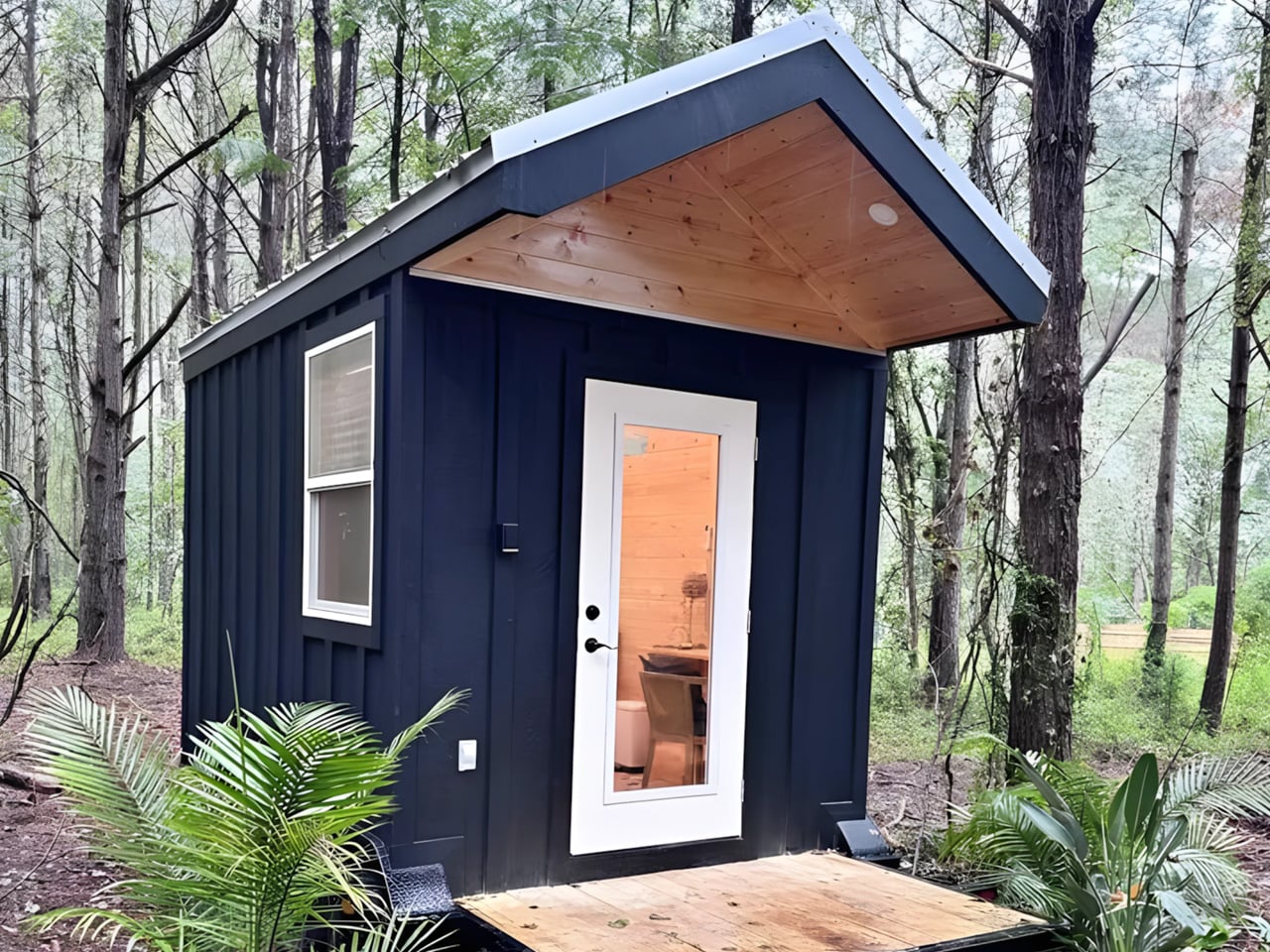
The Mantra: $17,000 and unapologetically minimal
Florida-based Simplify Further Tiny Homes dropped a micro cabin that's turning heads for its stripped-down price point. The Mantra is designed around the idea of giving people exactly what they need — nothing more. At $17,000, it positions itself as one of the most affordable purpose-built shelters on the market.
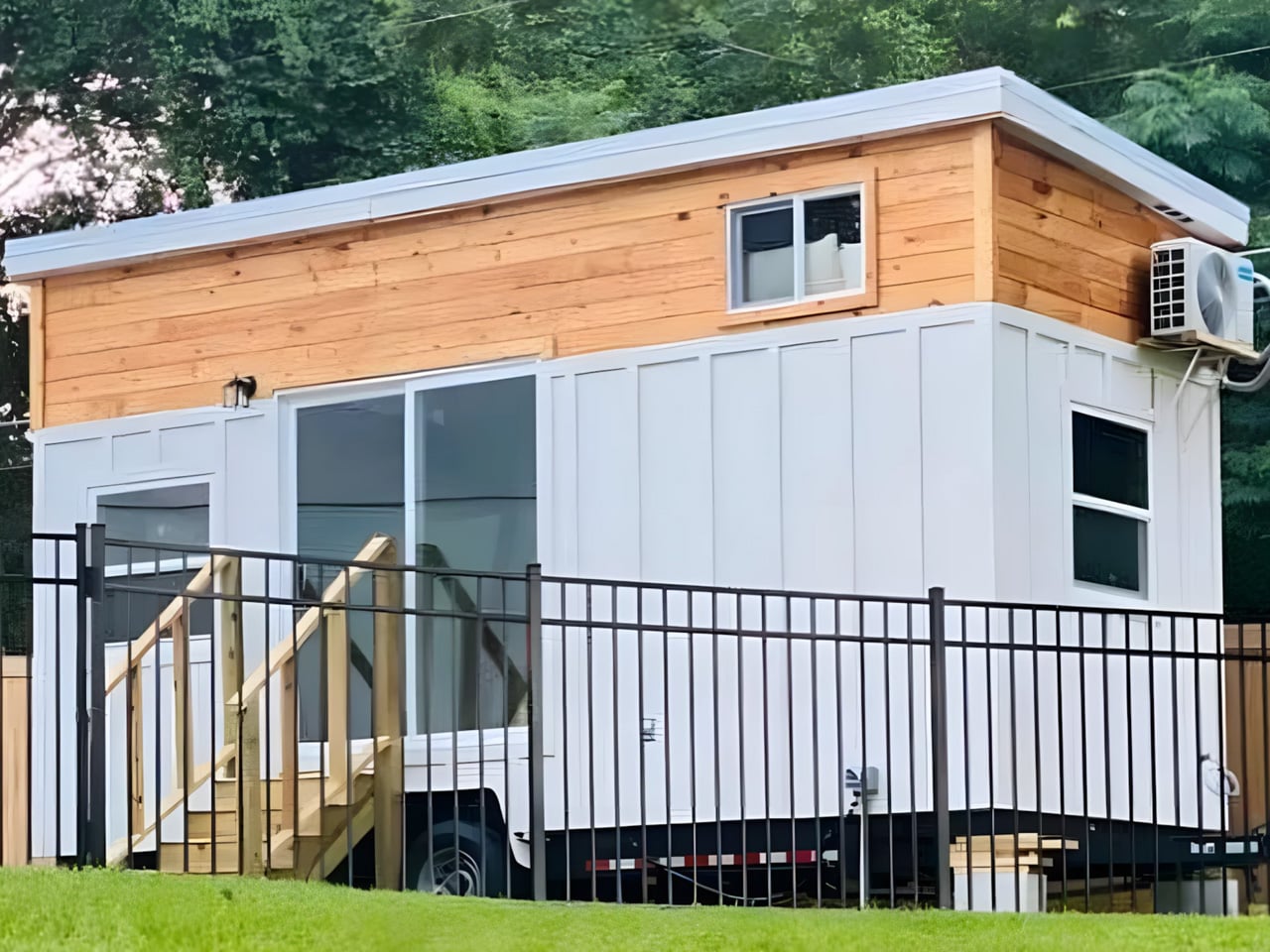
The Rasa: Built for Airbnb, by an Airbnb host
The same company also debuted the Rasa — a tiny house purpose-engineered for the short-term rental market. Created from three years of hands-on hosting experience and 16 active Airbnb listings, the Rasa rethinks space to work harder for guests and hosts alike.
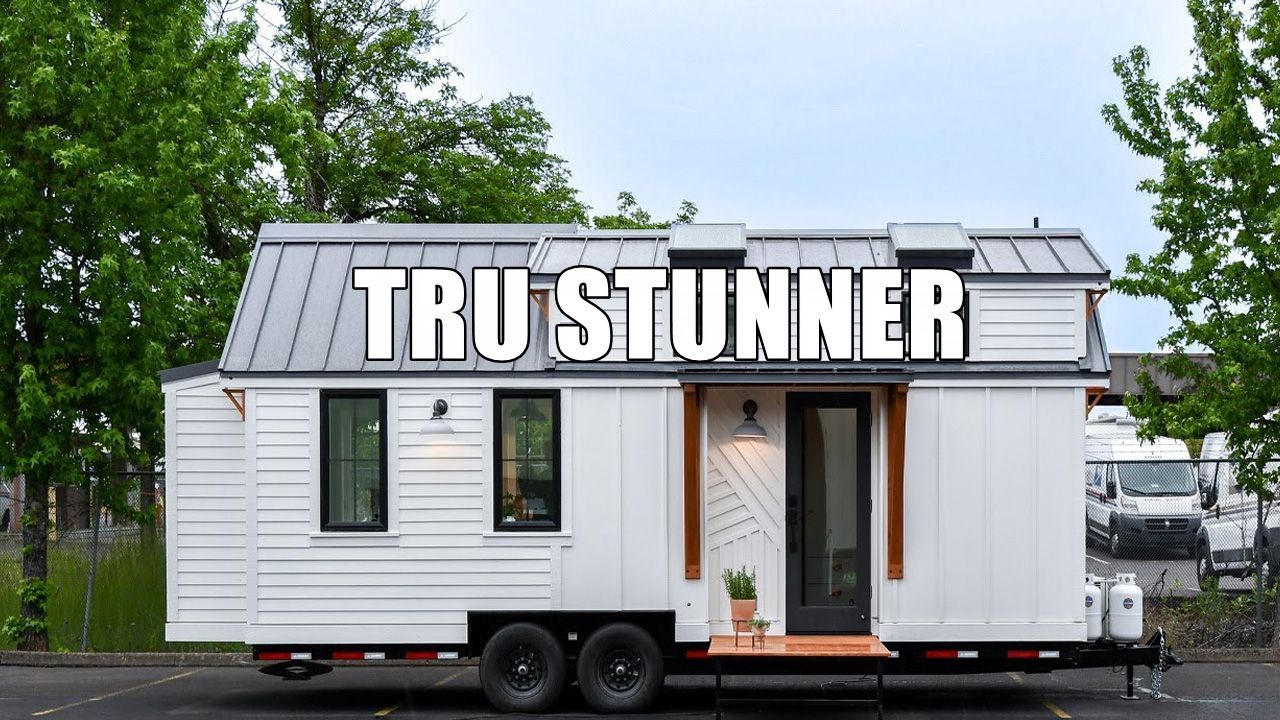
The 24-ft Craftsman Kootenay: Elegance at scale
AutoEvolution spotlighted the Craftsman Kootenay, offered in three sizes and combining elegant design with maximum functionality. The 24-foot model exemplifies what thoughtful downsizing can look like without sacrificing livability.
Van life as a college survival strategy
A Business Insider piece published this week profiles a college student who bought a cheap van, lived out of it on campus, and graduated debt-free. The story highlights campus resource usage — showers, Wi-Fi, study spaces — as the key that made the math work.
Global affordability crisis fuels micro living interest
Business Insider published a photo essay framing tiny living spaces and micro apartments as a worldwide response to skyrocketing housing costs. The report contrasts people living in inhospitable conditions against those choosing tiny homes as a deliberate affordability solution.
Regulation Watch
Virginia makes backyard tiny homes easier to build
Virginia passed a new law — signed earlier this spring and set to take effect next year — that will make it significantly easier to construct accessory dwelling units (ADUs), including tiny houses on existing lots, garage conversions, carriage houses, and in-law suites. The legislation lowers barriers that had previously kept many homeowners from adding these structures.
Note: Virginia's law was signed in mid-April, just outside our 7-day window. No ADU/zoning policy updates published after May 1 were found in this week's research results. The Virginia story is included as the most recent relevant regulation development in our coverage period.
Living Story
From Minitopia visitor to tiny home believer
A Business Insider writer went to visit Minitopia — a series of Dutch tiny home villages — fully expecting to find people who had been priced out of conventional housing. Instead, they found something far more surprising: residents who chose tiny living as a lifestyle statement, not a fallback. The piece is a quiet rebuke to the assumption that small means desperate.
The Minitopia visit upends a common narrative: that tiny homes are a last resort. The residents there had access to conventional housing — they simply didn't want it. That shift in framing, from "making do" to "opting out," is becoming one of the defining themes of the tiny home movement in 2026.
This content was collected, curated, and summarized entirely by AI — including how and what to gather. It may contain inaccuracies. Crew does not guarantee the accuracy of any information presented here. Always verify facts on your own before acting on them. Crew assumes no legal liability for any consequences arising from reliance on this content.
Powered by
